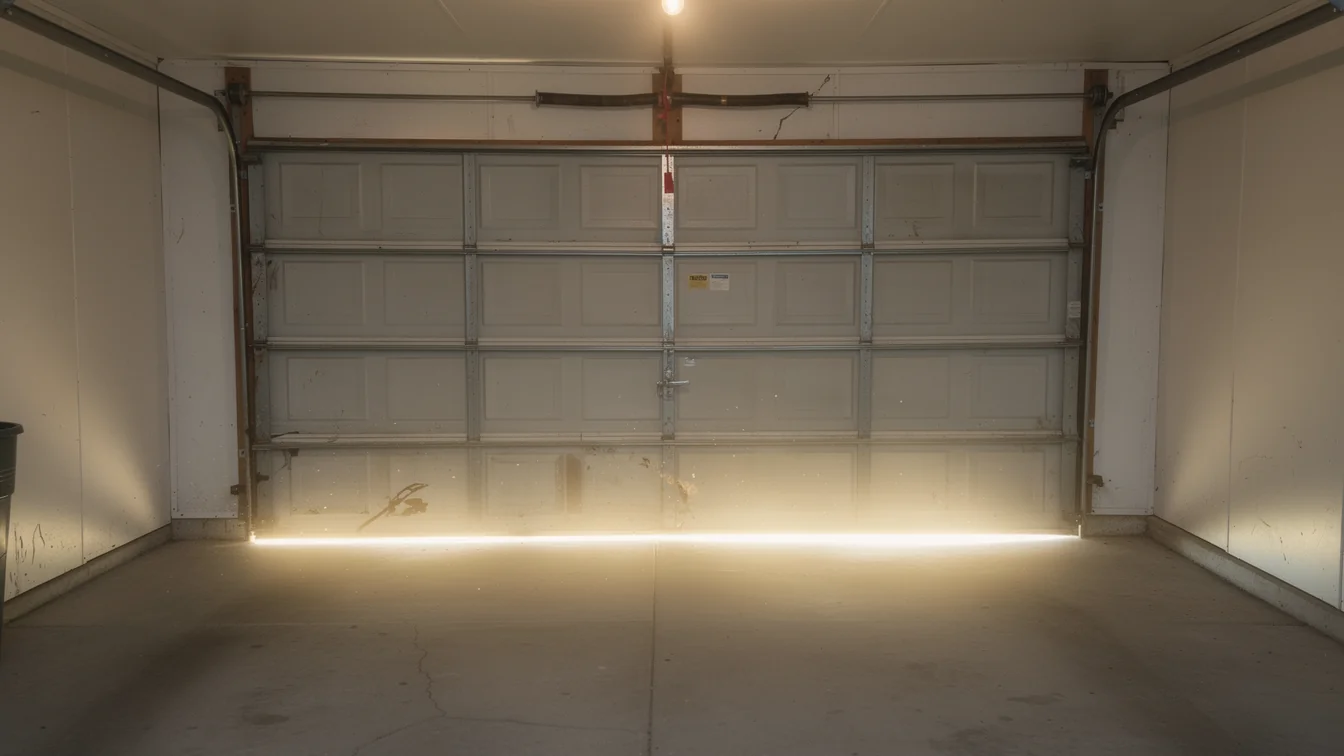
 Uninsulated Garage Doors in a Desert Town Built Before the Code Caught Up
Casa Grande's 1980s-90s housing stock mostly predates modern insulation code.
Openers and Power Cuts in Casa Grande
Casa Grande's heat and aging opener stock don't mix well. How local housing age, severe summer heat, and power cuts affect your garage door opener.
Local detail
What Local Conditions Do
Casa Grande's housing stock mostly went up between 1960 and 2001, with the median build landing around 1998, and the older pockets of town lean heavily on 1980s and 90s construction. That matters for openers because a unit installed when the house was framed is often still the unit running today - pushing twenty, thirty years of duty cycles in a climate that sits in the severe heat band.
Heat is the real enemy of an opener, more than age by itself. The circuit board, the capacitor that kicks the motor over, the logic board that runs the safety-reversal sensors - all of that sits in an attic-adjacent box that can run well past 120°F on a summer afternoon here. Repeated heat cycling breaks down solder joints and capacitors faster than almost anything else short of a direct lightning strike.
Older chain-drive openers from the pre-1993 safety-reversal era (common in houses from the earlier end of that 1960-2001 range) are also just mechanically tired by now - worn gears, stripped sprockets, chains that have stretched past where the tension adjustment can take up the slack.
The area
What You Pay
We don't have a flat number to hand you here, because what an opener job costs depends on whether you're replacing a board, a full unit, or adding battery backup, and we're not going to make up a price to fill space. What we can tell you is how the decision usually shapes up in this market: a 1998-era chain-drive unit nearing end of life is rarely worth board-level repair once the main circuit has gone, because board costs for an obsolete model often run close to a new belt-drive unit anyway.
Households here have a median income around $54,519, and that's the number that tends to decide whether someone repairs or replaces - a straight swap to a new unit with a sealed, heat-tolerant board is often the more sensible spend than chasing parts for something built when Clinton was in his first term. We'll tell you straight which side of that line your unit falls on before we touch anything.
What we find
The Problem
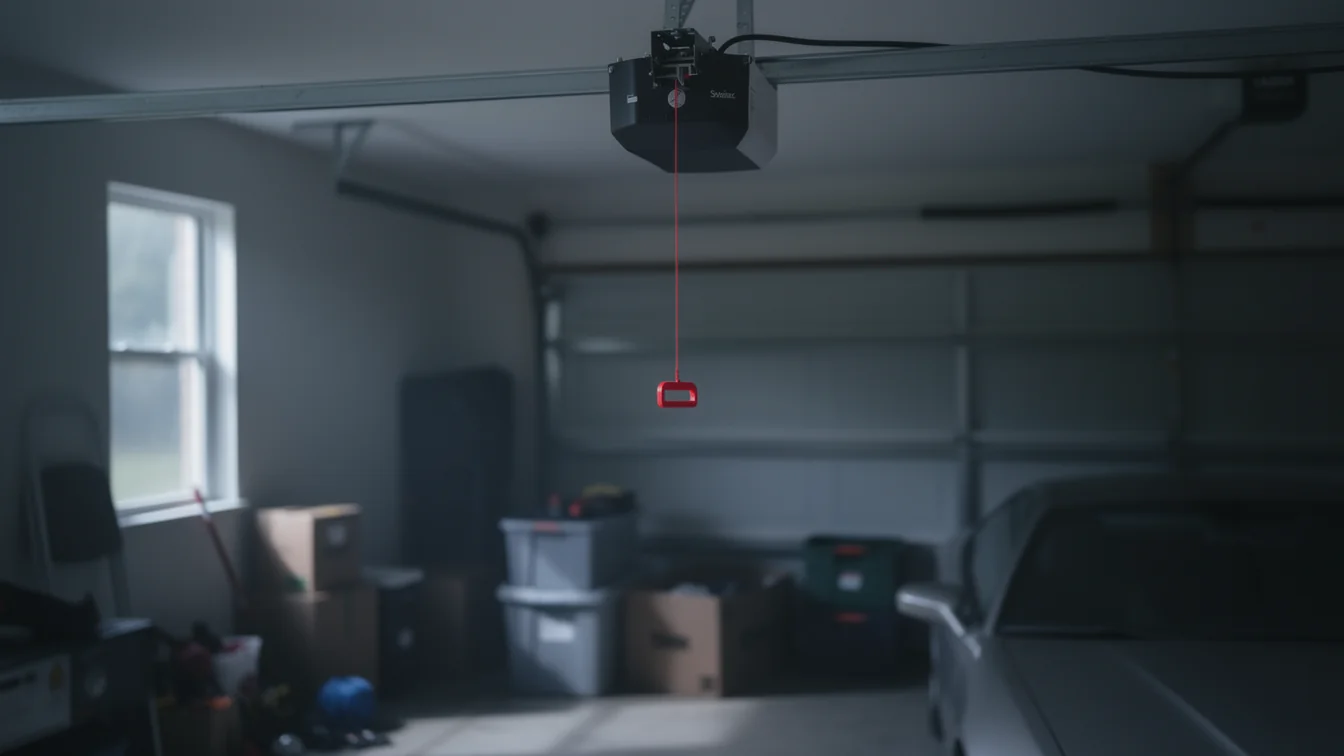
Garage door openers and power cuts fail together more than people expect. When severe summer heat strains the grid hardest, that's the exact window when utilities here see rolling outages or brief cuts - and that's the exact window when an already heat-stressed opener board is most likely to give out too. You end up with a dead door at the worst possible time, no manual override practiced, and a family trying to figure out the emergency release cord for the first time in the dark.
Across the roughly 8,191 owner-occupied houses in this service area, a big share were built in that same 1960-2001 stretch, which means a lot of neighbors are carrying the identical risk at the identical age on their opener. It's not a one-house problem, it's a housing-stock problem. The fix isn't complicated - know where the release cord is, test it before summer, and don't wait for a cut to find out your board was already failing.
How we work
When It Stops Being a DIY Job
Pulling the release cord and lifting the door by hand during a power cut is something any owner can do, and we'd rather you know how to do that than call us for it. Swapping a remote battery or resetting the travel limits is also fair game for a homeowner with a ladder.
Where we draw the line: anything involving the opener's main circuit board, the safety-reversal sensors, or wiring back to your home's electrical panel. We don't do panel-level electrical work - that's a licensed electrician's job, and we'll say so rather than take it on. If your opener is original to a house built in that 1980s-90s stretch and the board has failed, that's also past the DIY line, since a wrong reinstall on the safety sensors is a real injury risk, not just an inconvenience.
Questions
Common questions
Why does my garage door opener keep failing in summer here?
Casa Grande sits in a severe heat band, and the opener's circuit board and capacitor live in the hottest part of your garage or attic space. Repeated heat cycling through the summer wears those components down faster than normal use would. If your opener is original to a house built in the 1980s or 90s, it's also just old enough that heat stress is finishing off parts already near end of life.
What do I do if the power cuts out and my garage door won't open?
Every opener has a manual release cord, usually a red handle hanging from the trolley rail. Pull it to disconnect the door from the opener, then lift the door by hand. It's worth testing this once before you actually need it, since the cord location and the weight of the door vary by model and by how old your springs are.
Is it worth repairing an opener from the 1990s or just replacing it?
Once the main board fails on a unit that old, board costs are often close to the price of a new belt-drive opener with better heat tolerance, so replacement usually makes more sense. We'll check your specific unit and tell you honestly which side of that line it falls on rather than default to the more expensive option.
Recommendation
You Might Also Like
More garage door guides for Casa Grande homeowners.
Uninsulated Garage Doors in a Desert Town Built Before the Code Caught Up
Casa Grande's 1980s-90s housing stock mostly predates modern insulation code.
 What a Service Call Actually Covers in Casa Grande
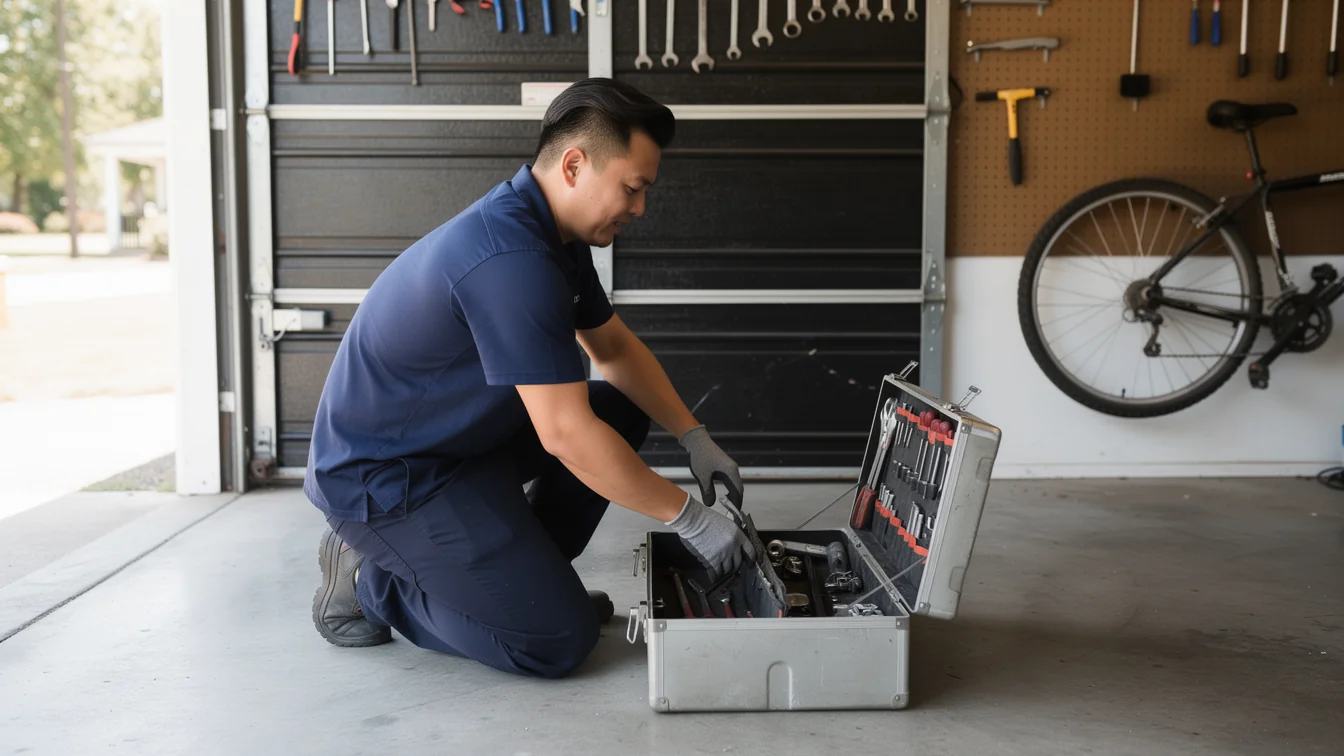
What actually happens on a Casa Grande garage door service call, from inspection to parts, and why 1980s-90s housing stock and severe heat change the job.
 Is Your Casa Grande Garage Door Worth Fixing, or Done
A look at when a garage door built during Casa Grande's 1960-2001 growth years is still worth repairing, and when the desert heat has already won.
Ready when you are
Need a garage door sorted in Casa Grande?
Casa Grande Garage Door Pros repairs and installs garage doors, springs and openers in Casa Grande, AZ and the surrounding area.