How It Shows Up
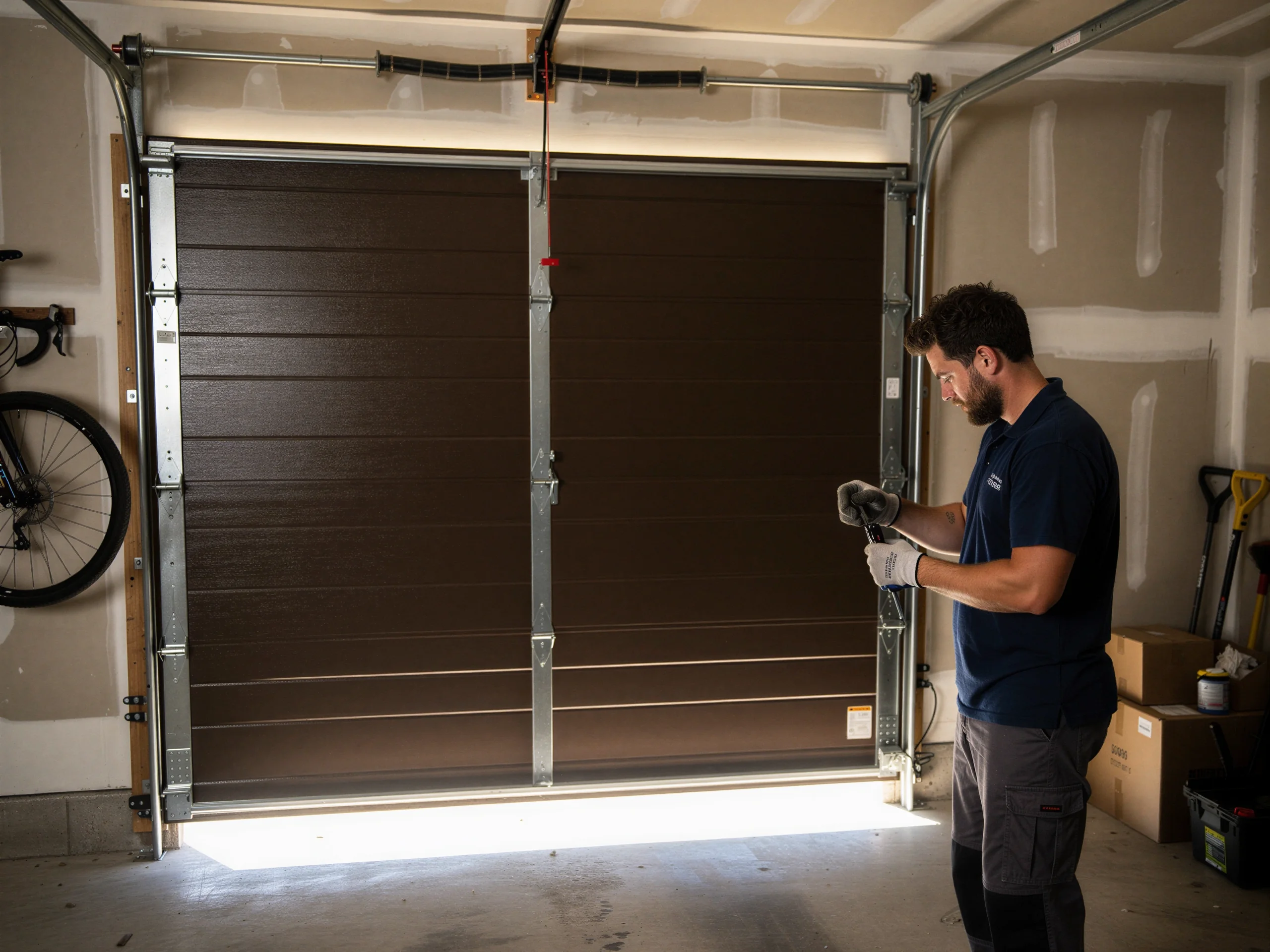
The door starts slow. It used to snap shut with one motion and now it eases down in two stages, or it reverses halfway and goes back up on its own.
Bang then door stuck
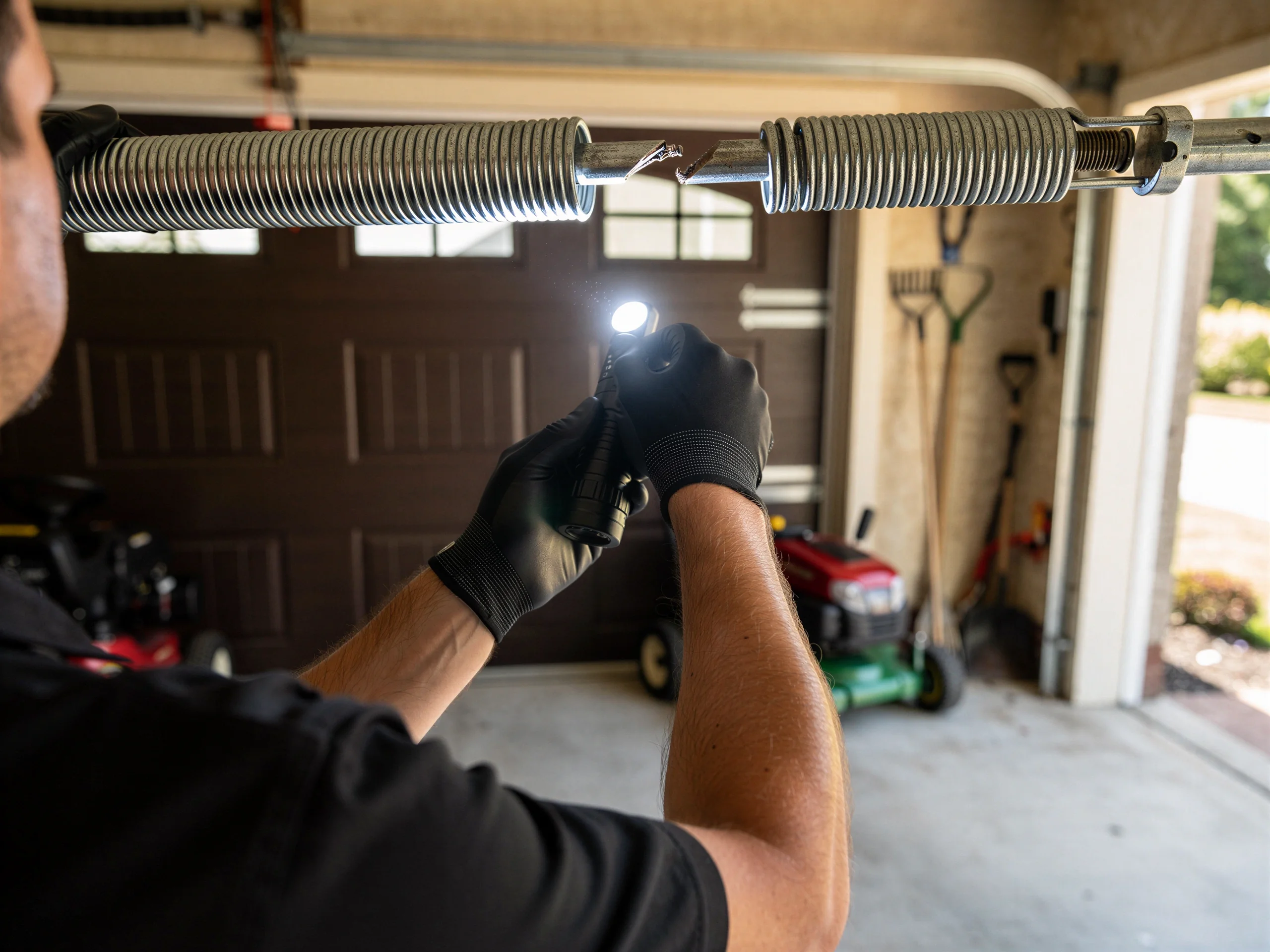
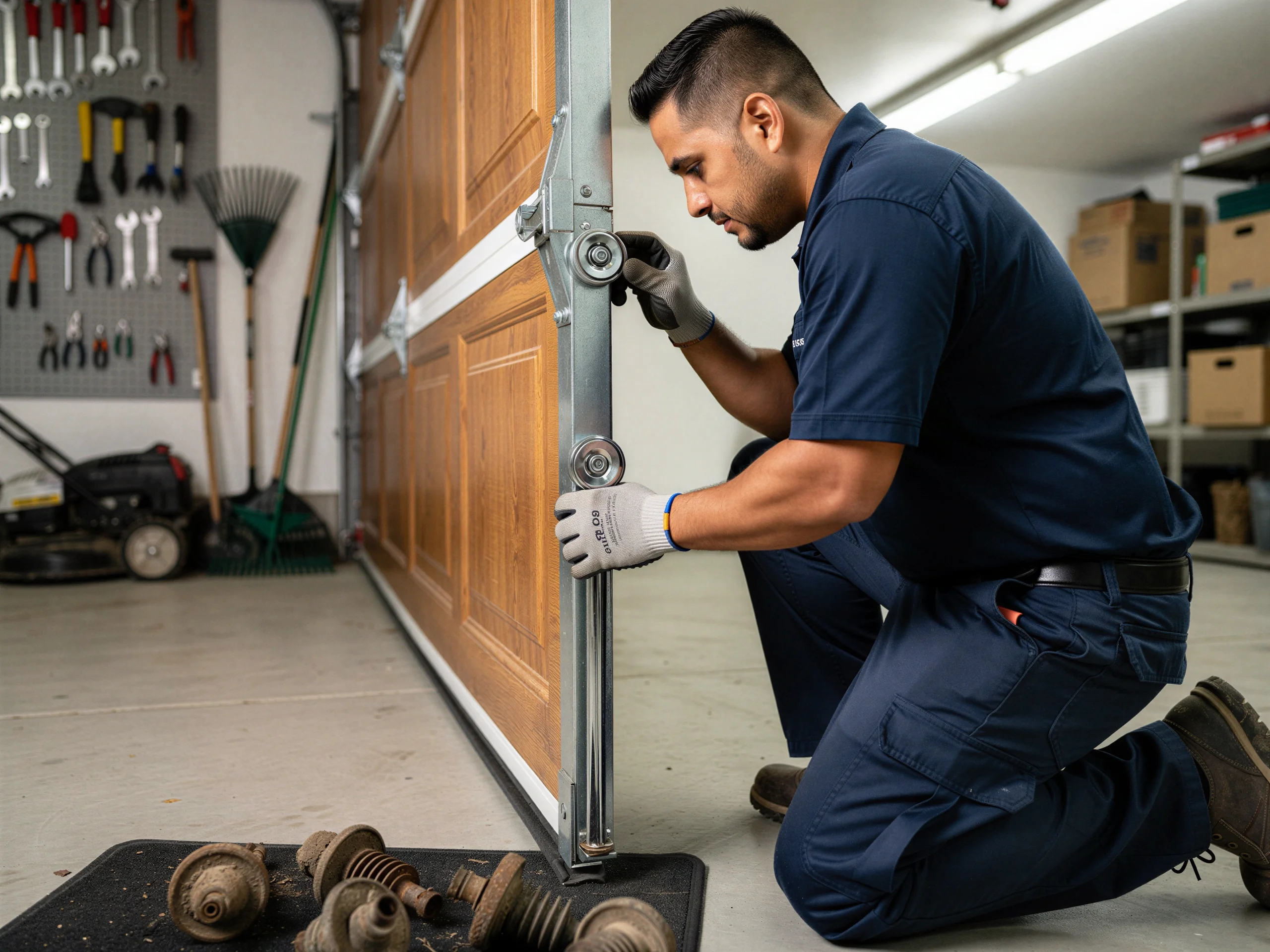
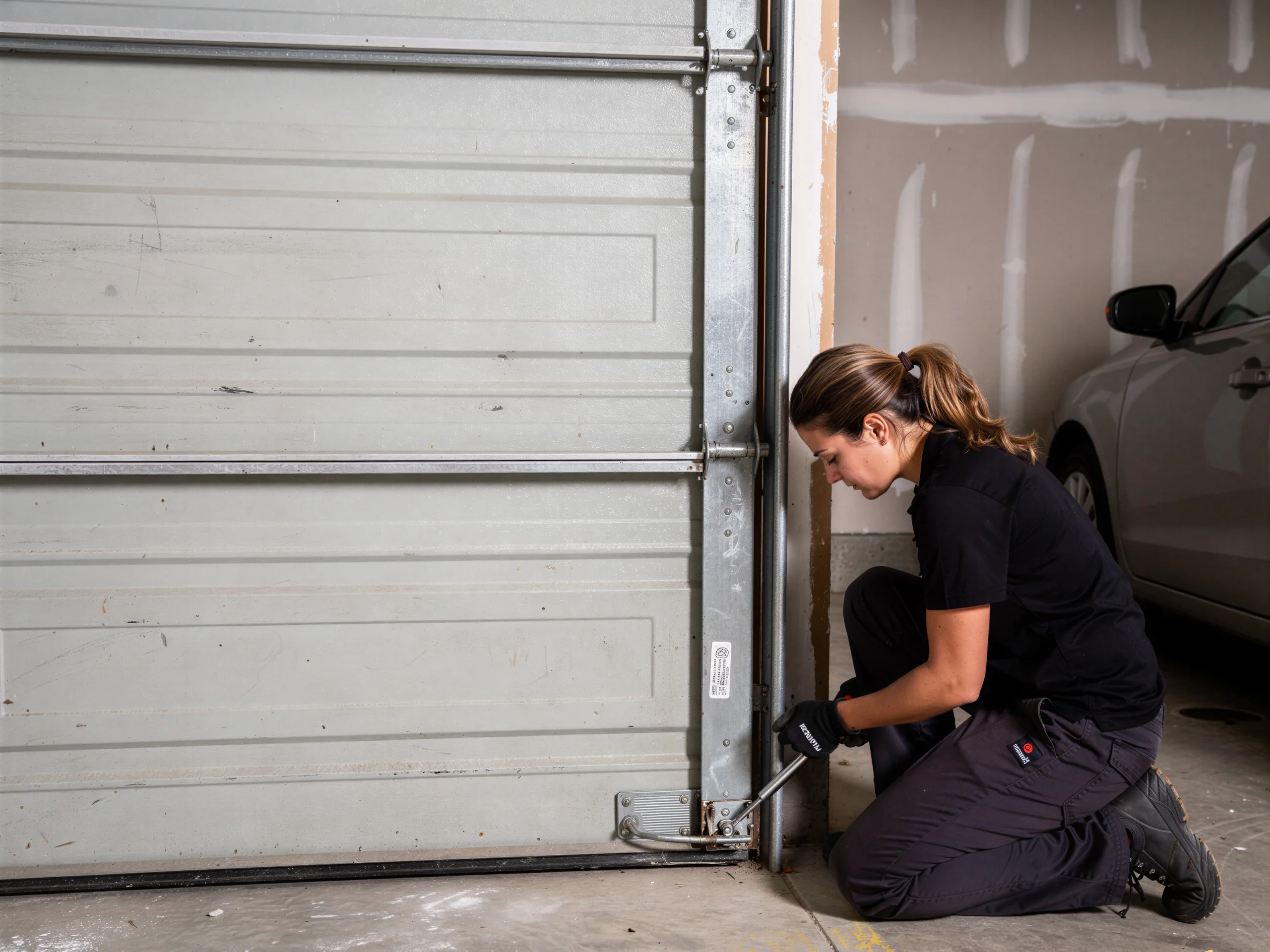
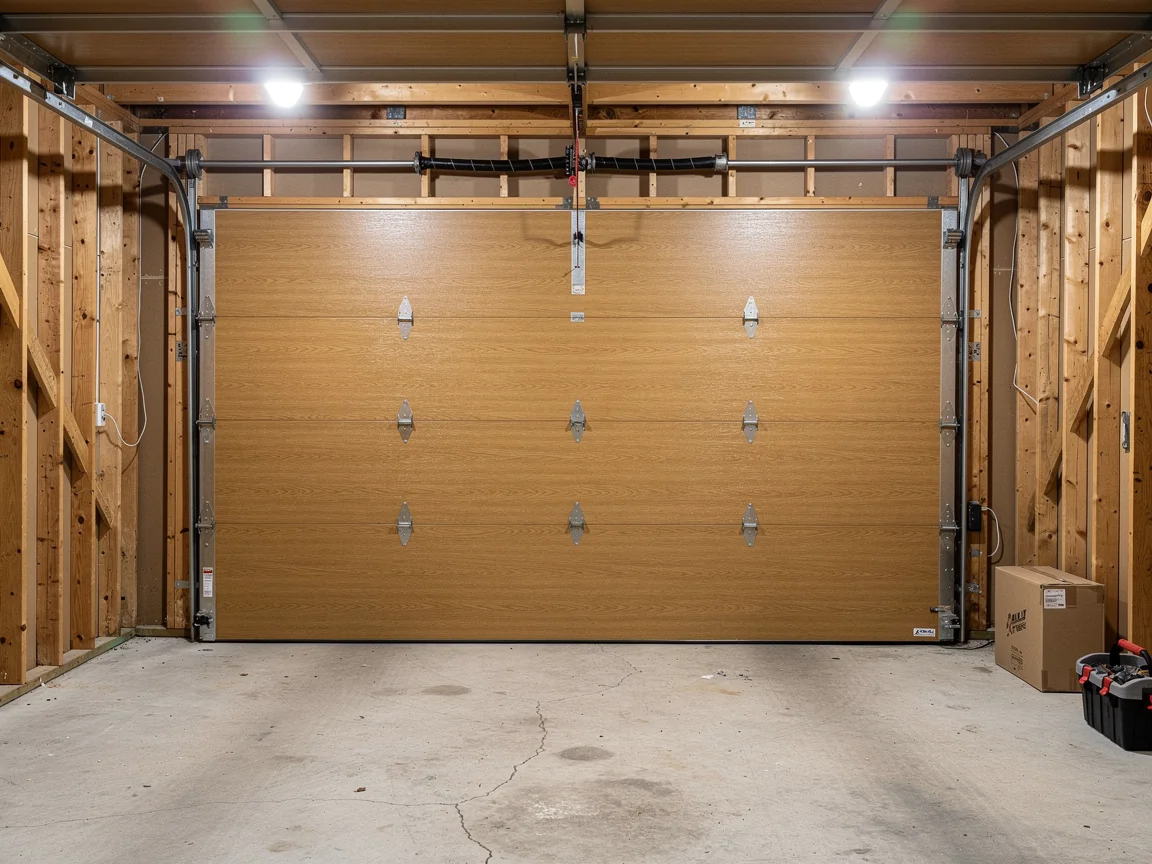
Sometimes it's a loud bang from the garage followed by a door that won't lift at all - that's almost always a torsion spring letting go. Other times it's quieter: the opener runs but the door barely moves, or it moves and grinds, which usually means a roller or a track bracket has worked loose.
Cracked bottom seal
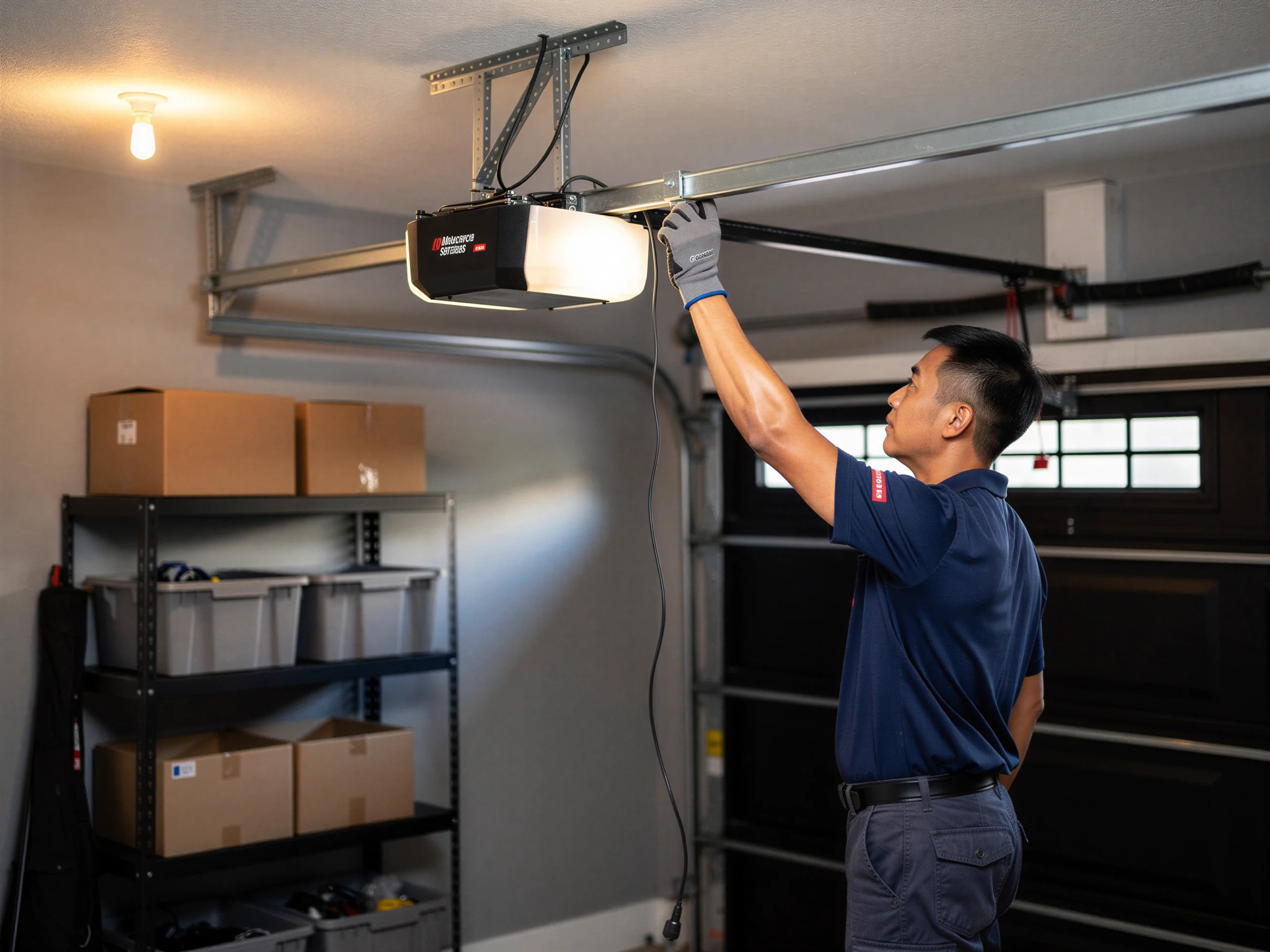
You'll also see dry rot on the bottom seal, a strip of rubber that's gone stiff and cracked instead of flexing. On houses with the original builder-grade opener, the motor runs hotter and louder each summer until one day it just doesn't start.
Age-driven wear patterns
None of this is unusual for a door that's been cycling twice a day for twenty-plus years in a hot garage. It's wear, not bad luck, and it follows a pattern tied to how old the hardware actually is and what it's been sitting in.
Why This Fails Locally
Most houses in the Casa Grande service area were built between 1960 and 2001, with the median landing around 1998 - meaning a large share of garages still run original torsion springs and openers from that build era. Across the five main pockets of housing here, the dominant stock dates to the 1980s and 90s, which puts a lot of doors right at the point where steel fatigue and lubricant breakdown start showing up together.
The bigger factor is heat. This area sits in a severe-heat climate band, and a garage with a south or west-facing door can run well past the temperature anything else in the house sees. Torsion springs lose temper faster under that kind of heat cycling - hot all day, cooling fast at night - and that repeated expansion and contraction is what snaps a spring years before it would fail somewhere milder. Rubber seals and nylon rollers dry out and crack the same way. It's not that the parts were installed wrong. It's that nobody builds a residential spring rated for decades of 110-degree garage air, and this town has a lot of garages that have been doing exactly that since the 80s and 90s.
What the Fix Involves
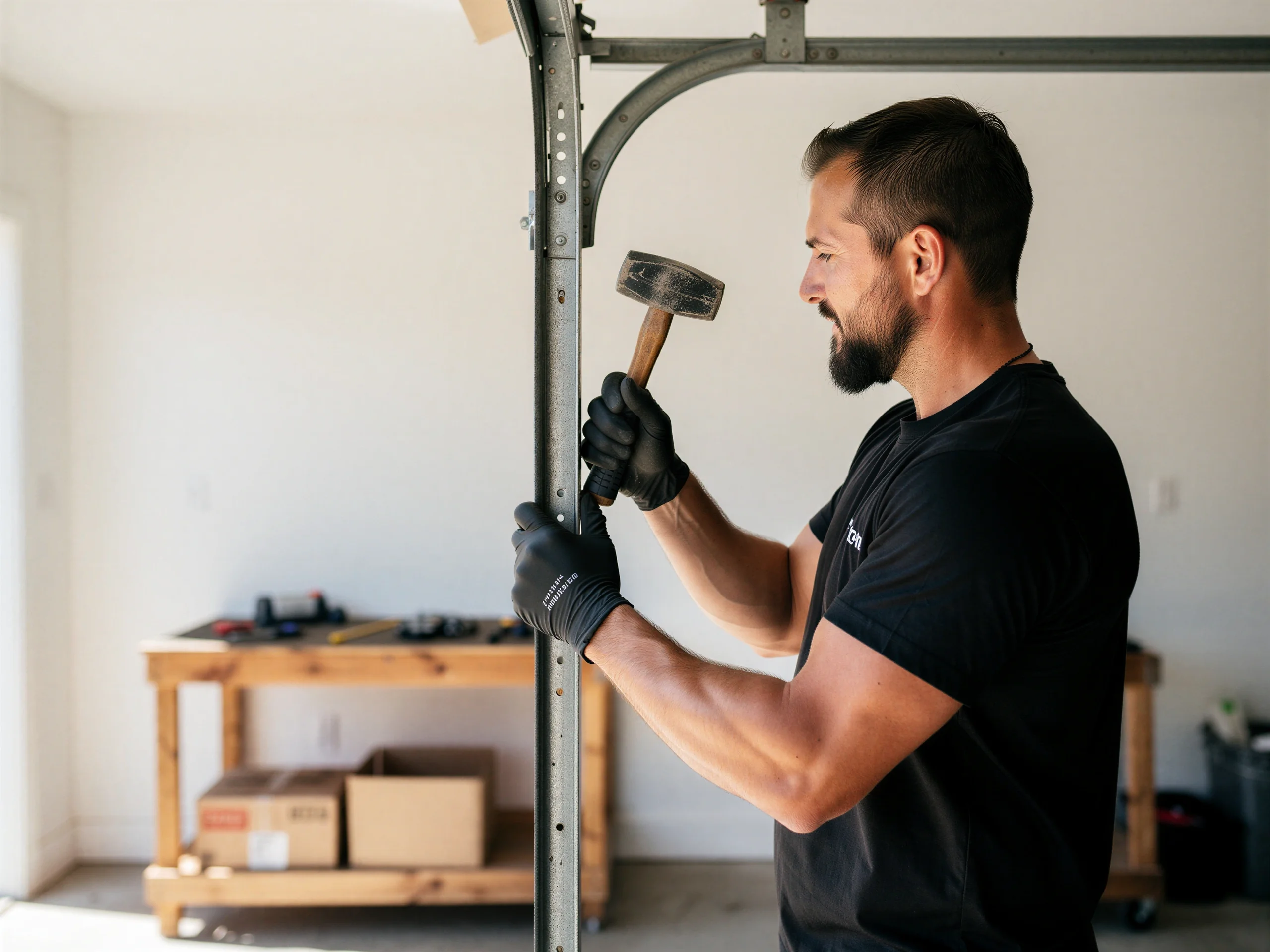
A broken torsion spring gets replaced in pairs even if only one side failed - the other one is the same age and close behind.
Matching spring wire size
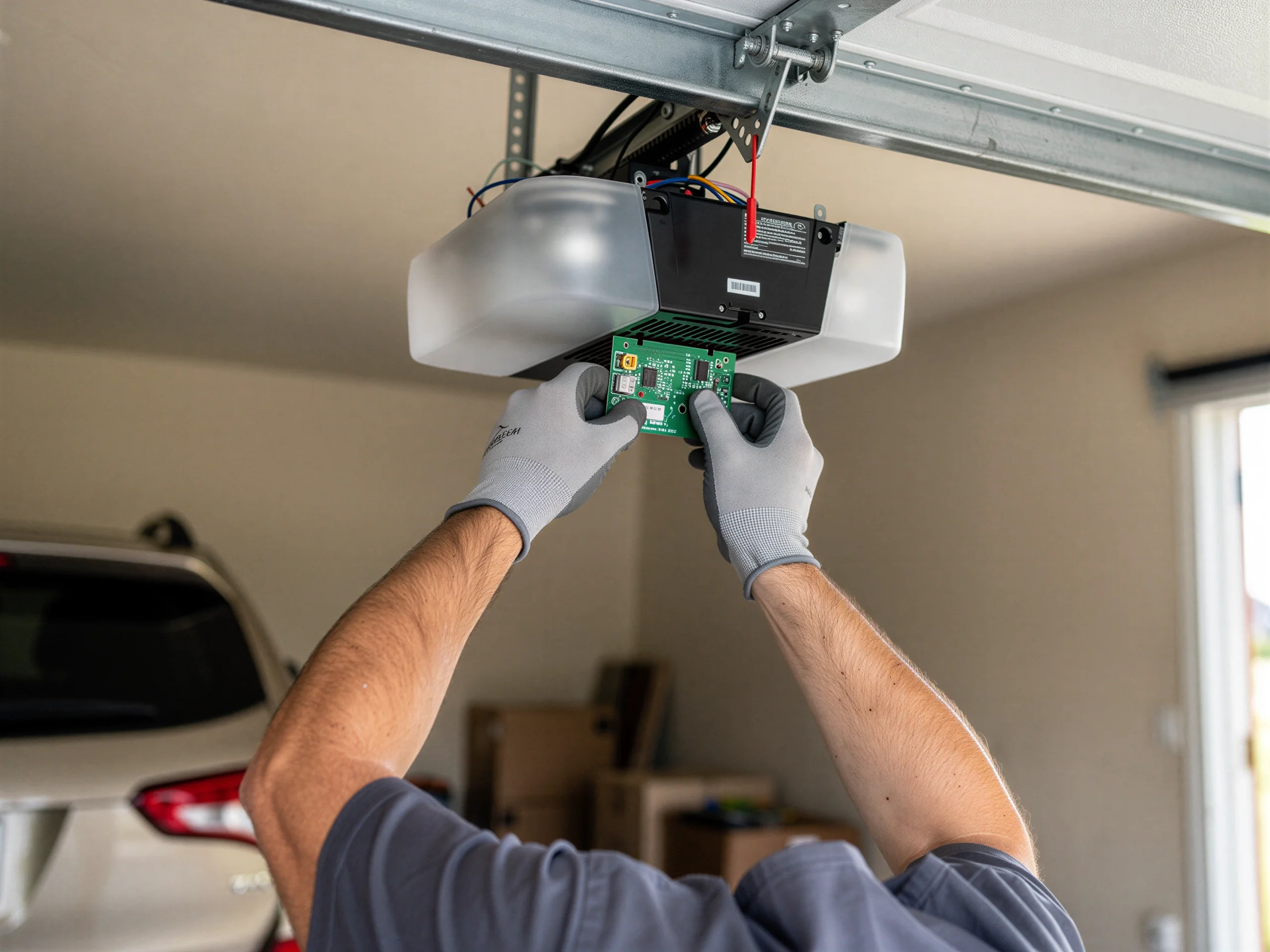
We match the spring wire size and wind to the door weight, not just swap in whatever's closest, because an undersized spring on an older door just moves the failure point to the opener. For an opener that's overheating or stalling, we check the drive gear and capacitor before assuming the whole unit is dead - on some of the original builder-grade units, a $20 part is the actual problem.
Cooked motor replacement
If the motor itself is cooked, replacement makes more sense than chasing parts for a unit that's been running continuously for over two decades; that's a case where fixing it isn't worth it and we'll say so. Rollers, cables, and bottom seals get inspected together, since a seized roller is often what's been loading extra stress onto the cable that's about to fray.
Leave sound parts alone
We don't replace a part just because it's old - if it's sound, it stays. One honest limit: on a handful of older or imported door models, the exact panel or roller size isn't something we stock, and that part has to be special-ordered, which adds a few days to the job.
What You Pay
Cost comes down to what's actually broken, not a flat number we can quote before looking. A single spring replacement is a different job than a full opener swap, and a door with seized rollers on top of a broken cable costs more in labor than a clean spring-only call. We don't pad a simple fix into a bigger one, and we tell you up front if your door's hardware is old enough that replacing a part now just means replacing the part next to it in a year.
Across the service area, median household income sits at $54,519, and most of the roughly 8,191 owner-occupied houses here are on original or near-original hardware, so a lot of our calls are homeowners trying to decide between a repair that buys a few more years and a full door or opener replacement that resets the clock. We'll give you both numbers and let you make that call rather than pushing the bigger job.
Talk to a local pro
Garage door service in Casa Grande?
Same-day service with honest, upfront quotes.