How It Shows Up
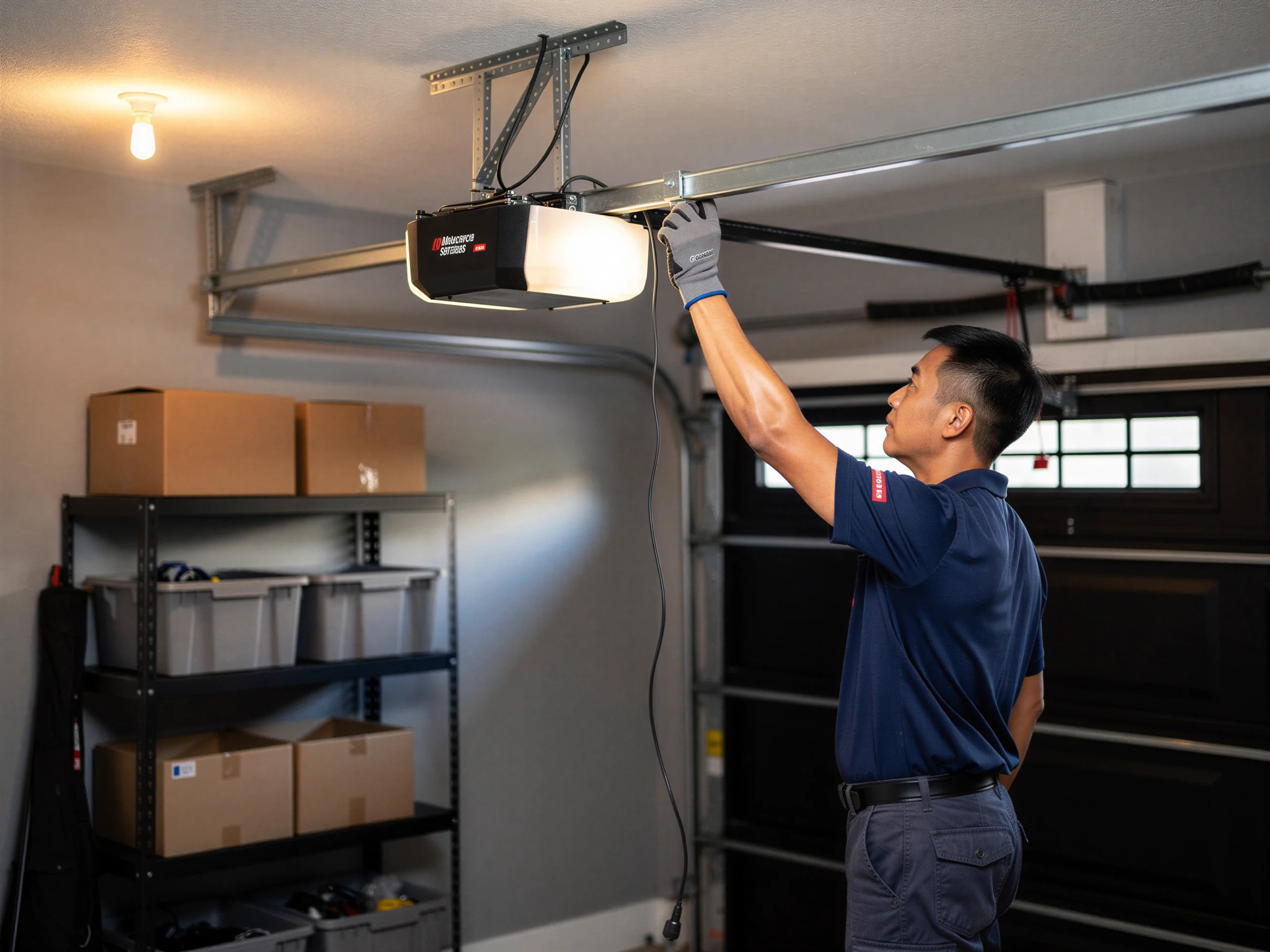
The call usually starts the same way: the opener hums but the door doesn't move, or it moves a few inches and stops. Sometimes the remote works from the driveway but not from inside the truck.
Blinking codes go unread
Sometimes the light blinks a code and nobody in the house knows what it means. What we see on the truck, across the whole service area, is a pattern tied to how old the gear actually is. A lot of openers out here were installed when the house was built or shortly after, and houses in this area went up mostly between 1960 and 2001, with the bulk of the stock from the 1980s and 90s.
Aging chain-drive components
That means a huge share of openers on our call list are chain-drive units from that era, with aging logic boards, worn drive gears, or capacitors that have been baking in a garage attic space for twenty-plus summers. The second pattern is heat-triggered failure.
Heat-driven intermittent failure
Openers that run fine in the morning quit in the afternoon, then work again the next day once things cool off. That's not a coincidence and it's not a bad unit necessarily - it's a thermal problem we can usually isolate on the first visit.
Why This Fails Locally
This area sits in a severe heat band, and garages here are not climate-controlled living space - they're sealed boxes that soak up sun through the door and the roof deck all day. Circuit boards and capacitors inside openers are rated for a temperature range, and a garage here can sit well above that rating for months at a stretch. The result is intermittent failure first, then permanent failure later: a board that works cold but drops out once the garage hits its peak afternoon temperature.
Age compounds it. With most of the housing stock in this service area dating to the 1980s and 90s, a big share of openers are at or past the point where lubricant has dried out of the drive gear, belt or chain tension has gone slack, and the limit switches have drifted from years of thermal expansion and contraction in the rail. None of that shows up as a dramatic failure - it shows up as the door that only opens halfway, or the opener that runs but doesn't engage.
We're not guessing at this from one job. It's the same failure signature across the towns we run calls in, which tells us it's the climate and the age of the housing stock doing the work, not bad luck on any one door.
What the Fix Involves
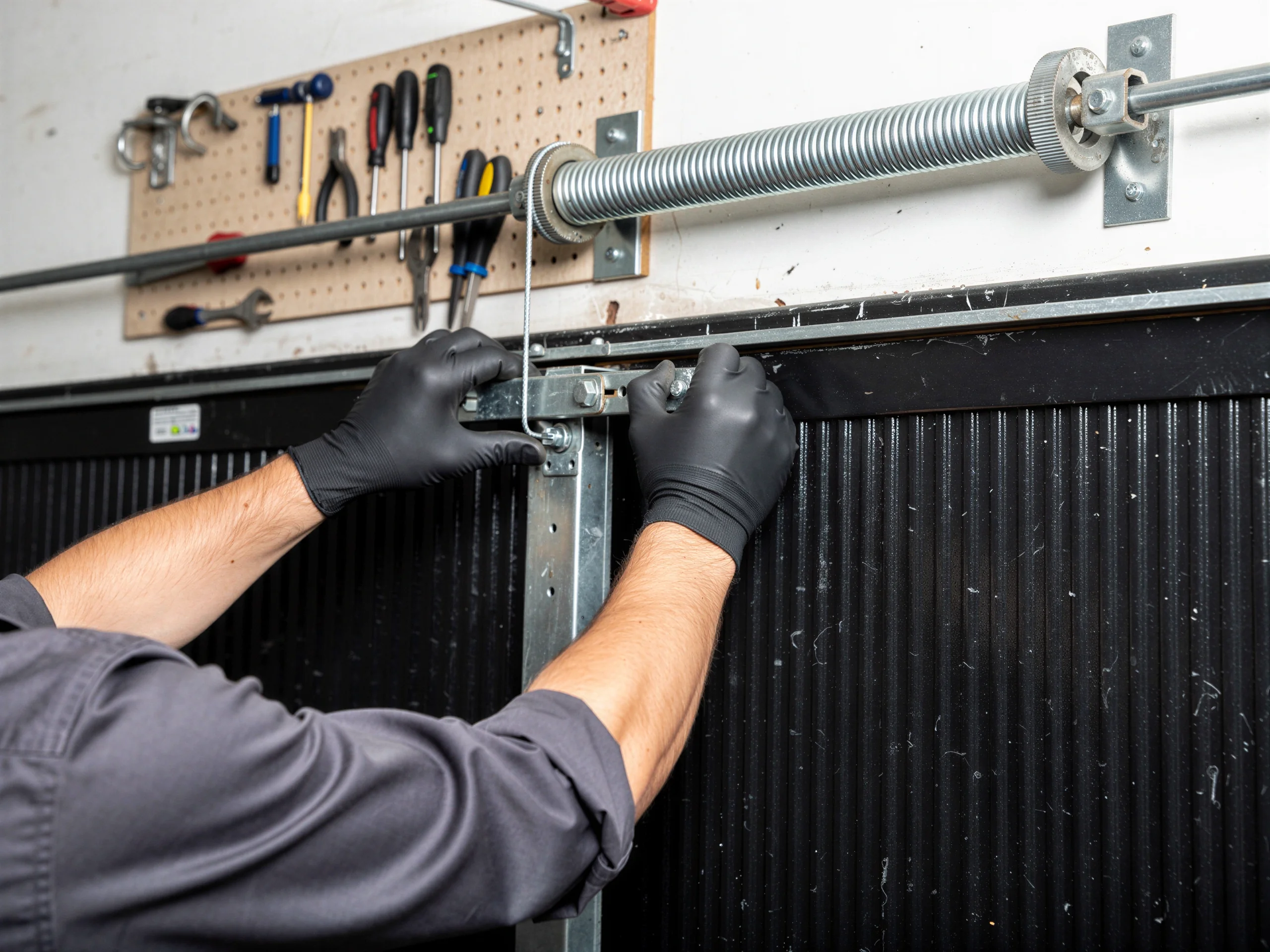
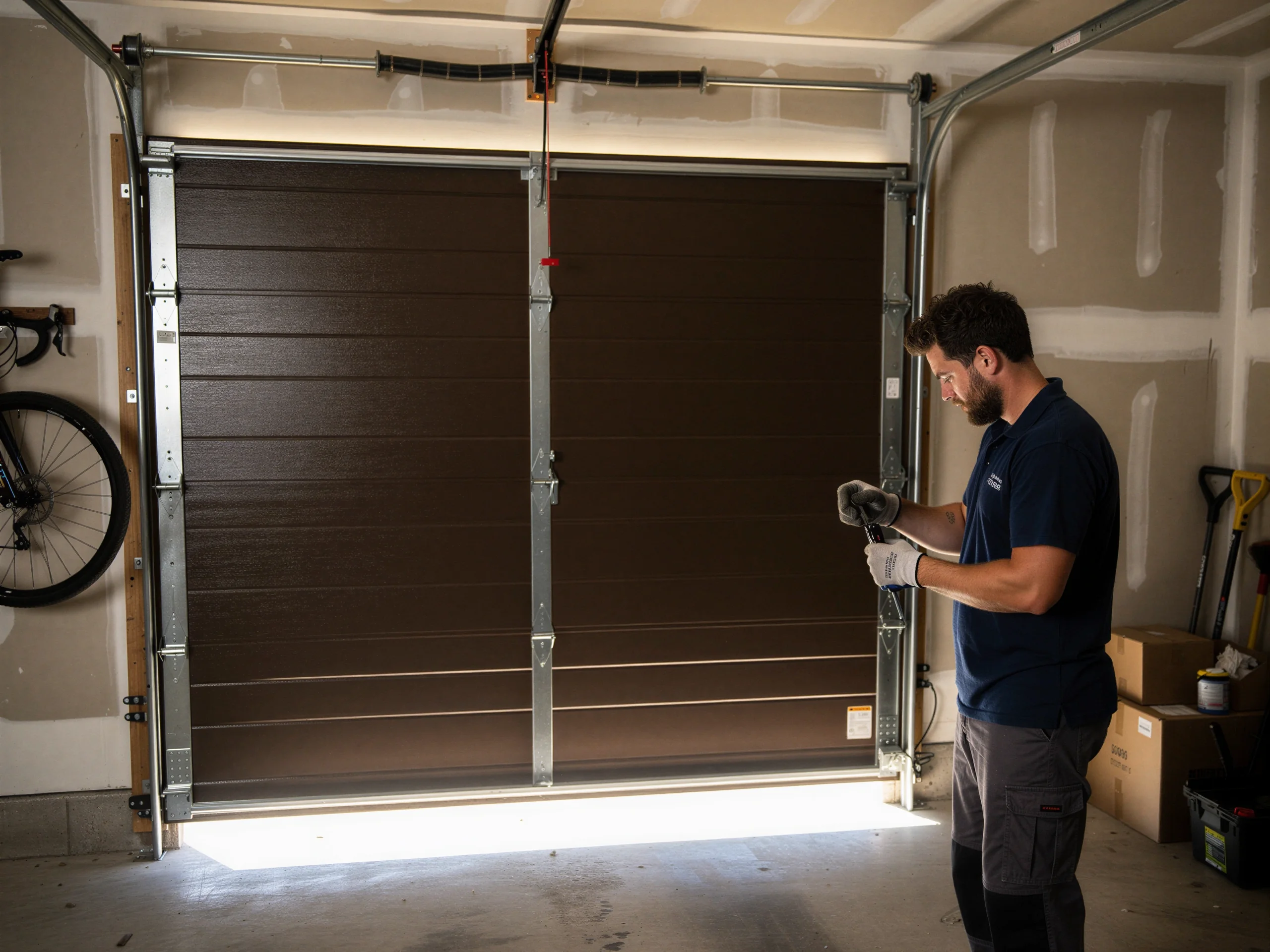
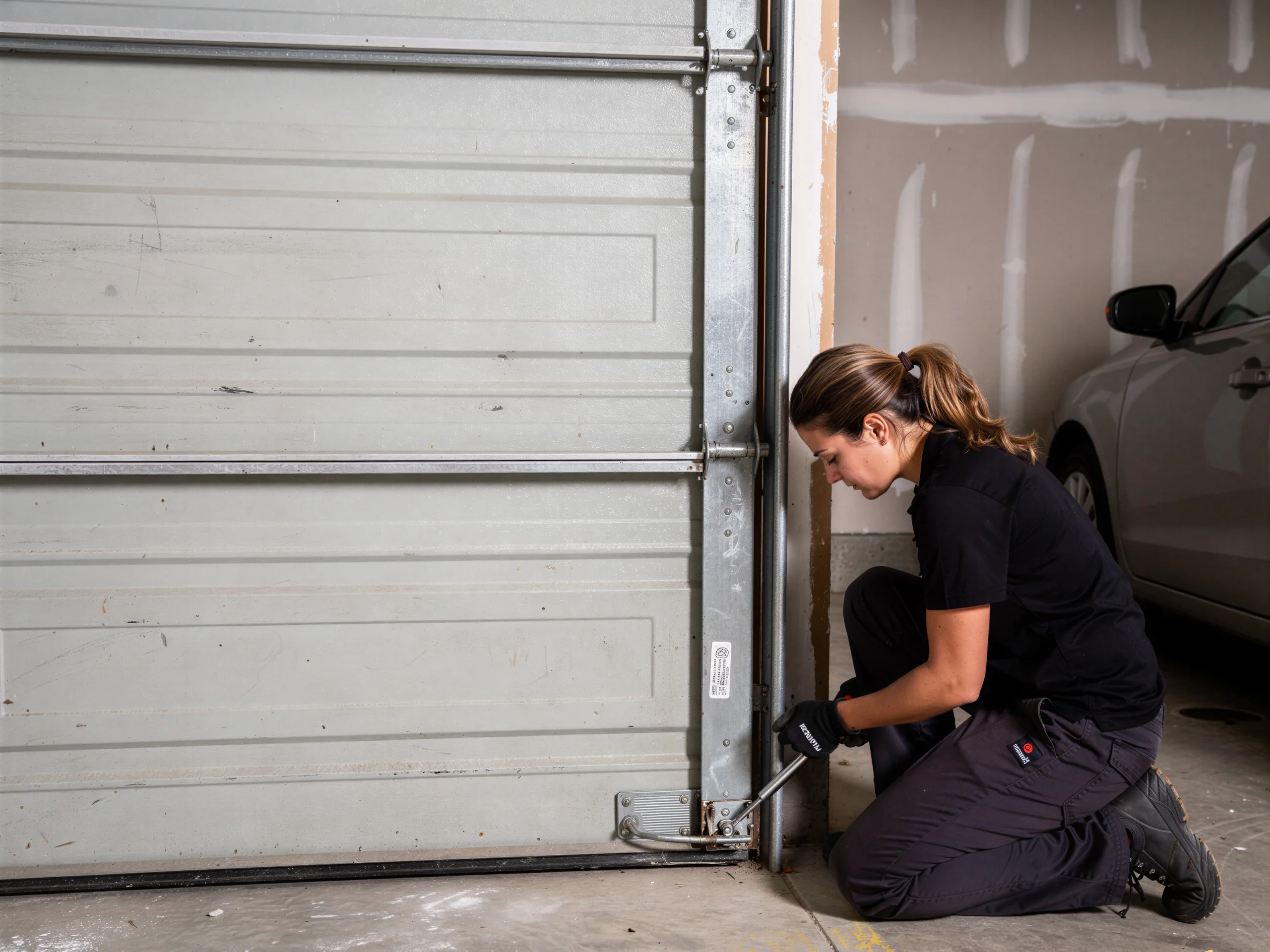
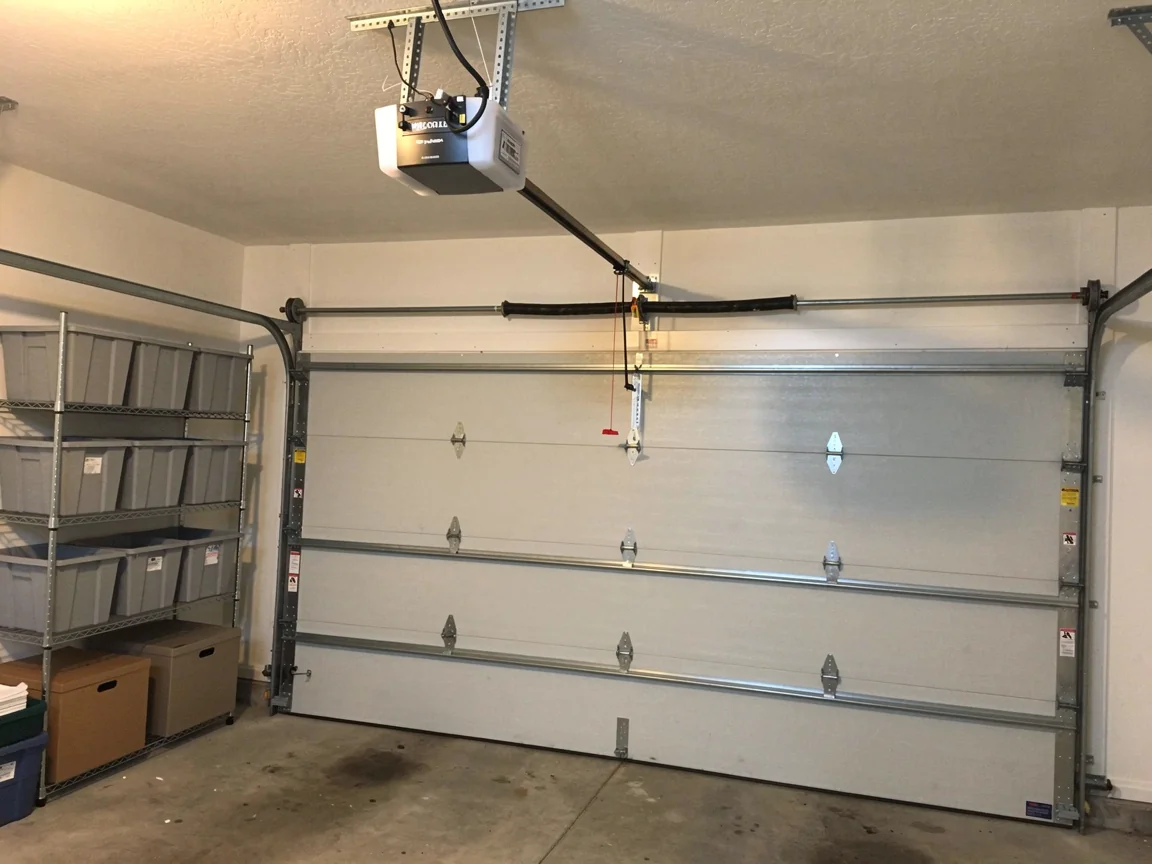
First step on any opener call is figuring out whether the problem is the opener itself or something it's reacting to - a misaligned safety sensor, a door that's binding on the track, a spring that's lost tension so the motor is straining to lift weight it was never sized for.
Rule out door first
We check that before we touch the opener, because replacing a board on a door that's fighting bad springs just means another call in six months. If it is the opener, the fix depends on what's actually worn.
Replace boards, not reset
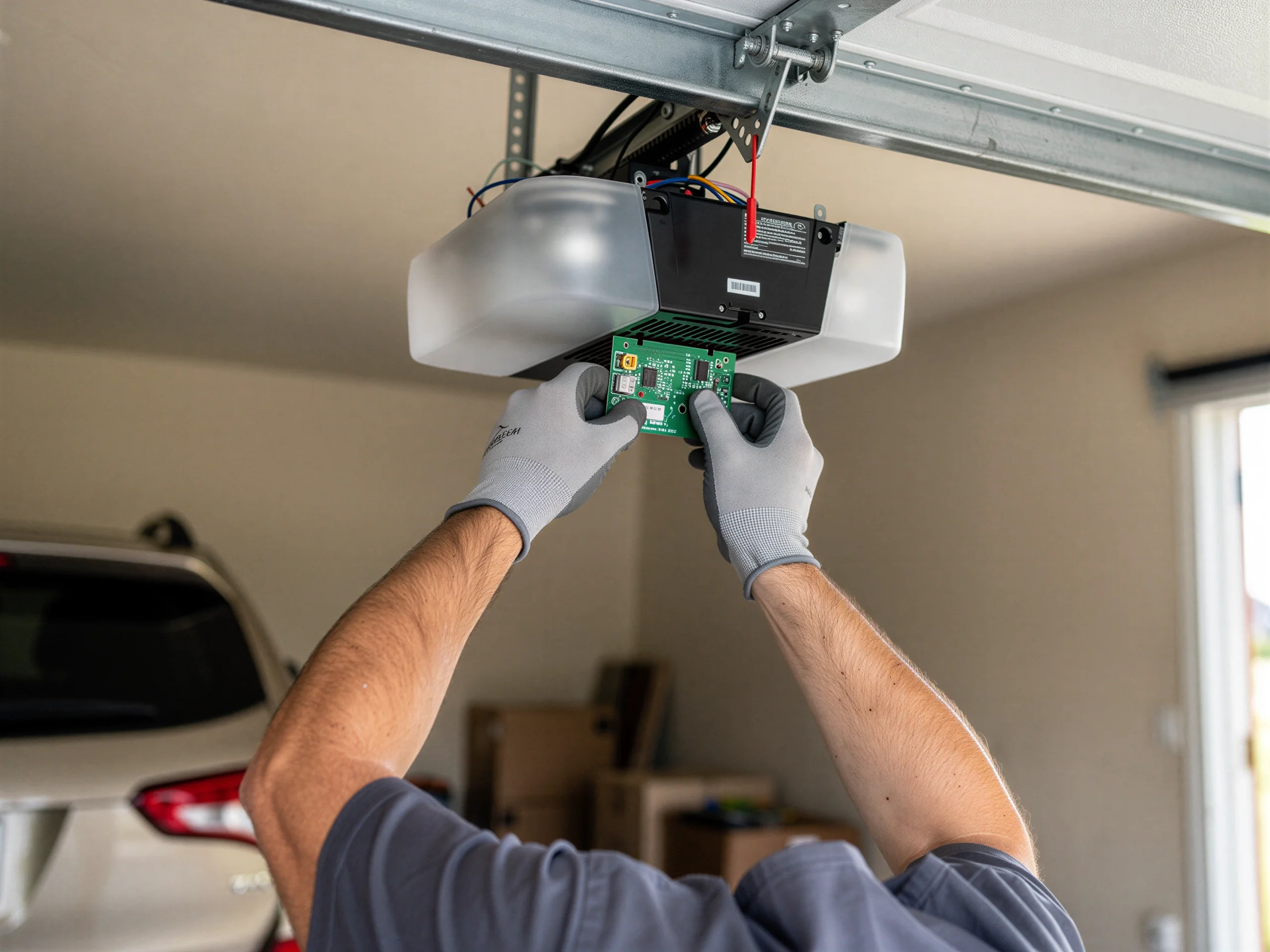
Logic boards and capacitors that have cooked past their rating get replaced, not reset - a reset buys you a week, a new board buys you years. Drive gears and belts that have dried out or stripped get swapped, and we regrease and reset the limit switches at the same time since they're usually off together.
Discontinued board limits
One honest limit here: if the opener is old enough that the manufacturer no longer makes replacement boards for it, we'll tell you straight that a repair isn't worth chasing and a new opener is the better money. We don't keep billing a dead platform.
What You Pay
We don't post a flat number for opener repair because the range depends heavily on whether it's a sensor, a drive component, or a full board - and on this older housing stock, those three jobs cost very different amounts. What we can tell you is that our service area runs from Stanfield and Sacaton out through Arizona City, Coolidge, and Eloy, all within about 12 to 15 miles, and we quote the actual part needed on-site rather than a generic diagnostic fee that doesn't apply to your opener.
Given that a large share of households in this area are owner-occupied houses rather than rentals, most of our opener calls come from people who plan to be in the house for years, which changes the math on repair versus replace - a board swap on a ten-year-old opener often makes more sense than it would on a rental unit nobody's going to maintain long term.
Talk to a local pro
Garage door service in Casa Grande?
Same-day service with honest, upfront quotes.