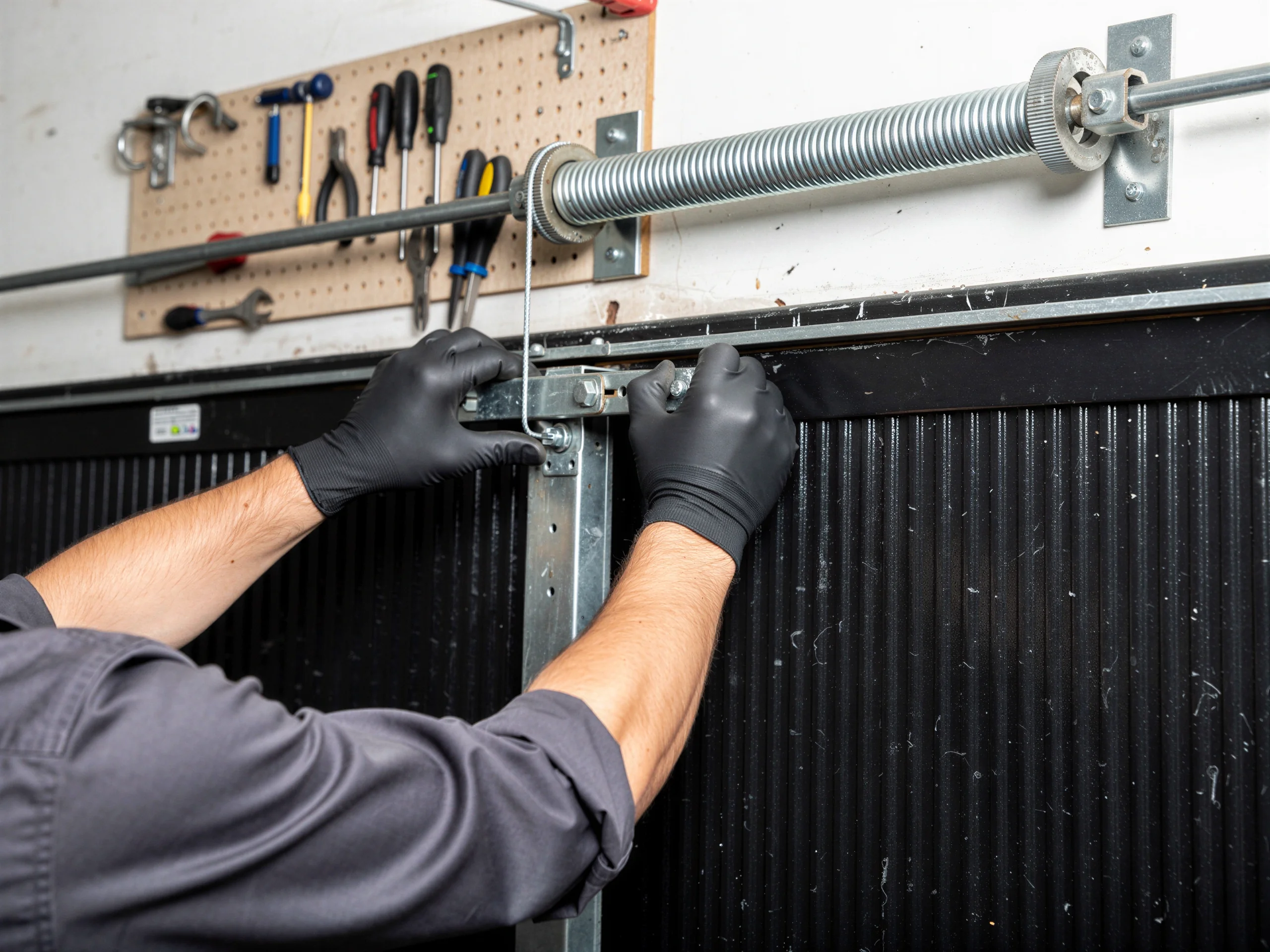
What Is on the Truck
Eloy's housing stock centers on 1998, which narrows what actually breaks out here. Most of these garages run steel sectional doors on standard torsion spring setups, not the older extension-spring rigs you'd find in a pre-1980 neighborhood.
Truck spring and roller stock
That means the truck carries torsion springs in the common wire sizes for a 7-foot door, standard-size rollers, and the drive belts and chains that fit chain and belt openers from that build era. What we don't carry is inventory for custom wood doors or oversized commercial openers - if a house in Eloy has one of those, we're ordering the part and coming back, not fixing it same-visit.
Loadout shaped by heat
We're driving in from Casa Grande, about 15 miles, so what's loaded on the truck before we leave matters more here than it would for a job five minutes from the shop. The heat is the other thing shaping what's on board.
Steel rollers as default
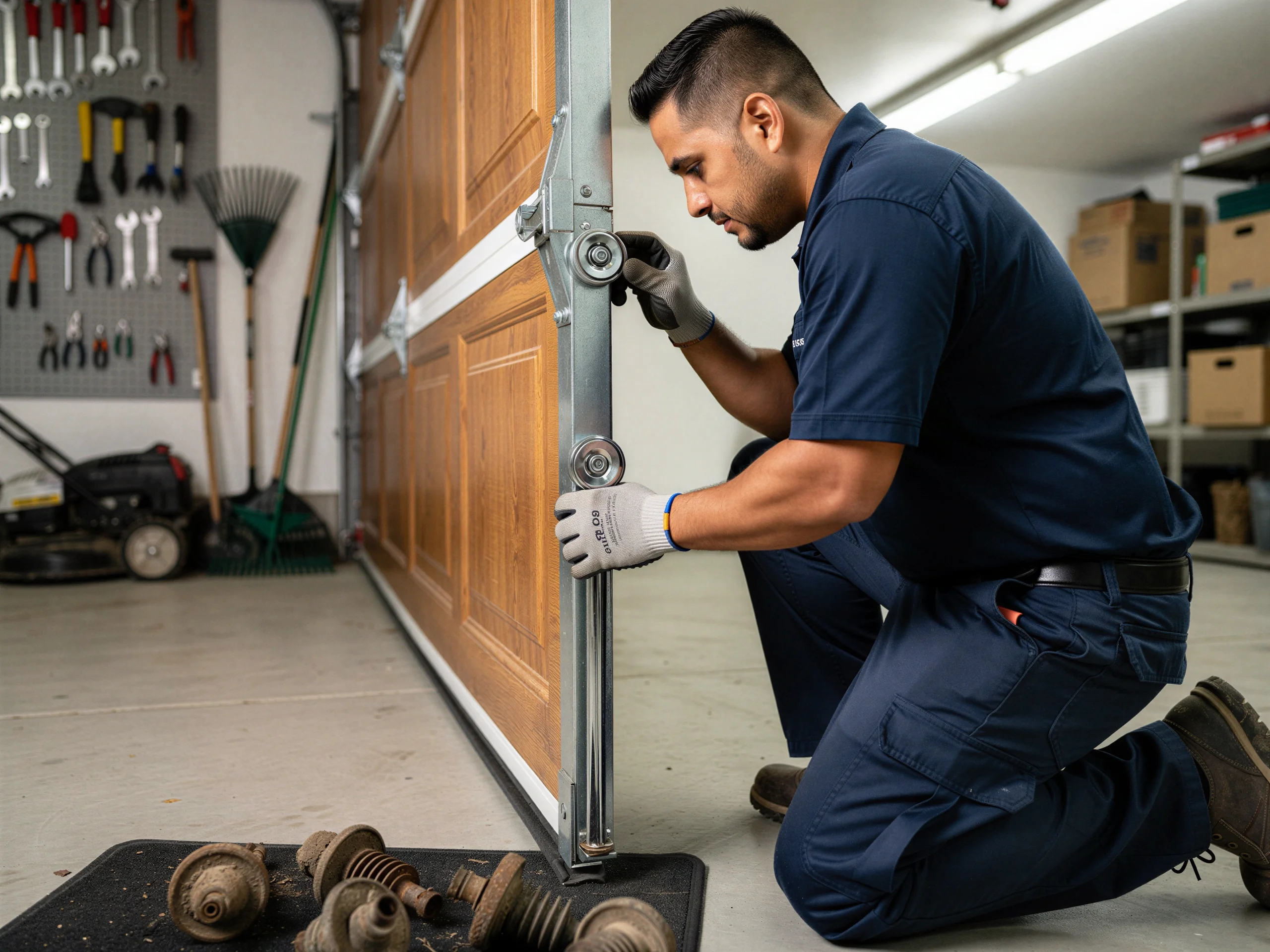
This is a severe-heat climate zone, and that means nylon rollers and plastic idler bearings fail faster here than they do somewhere milder - so we stock steel rollers and metal bearings as the default replacement, not the cheaper plastic parts a big-box store would hand you.
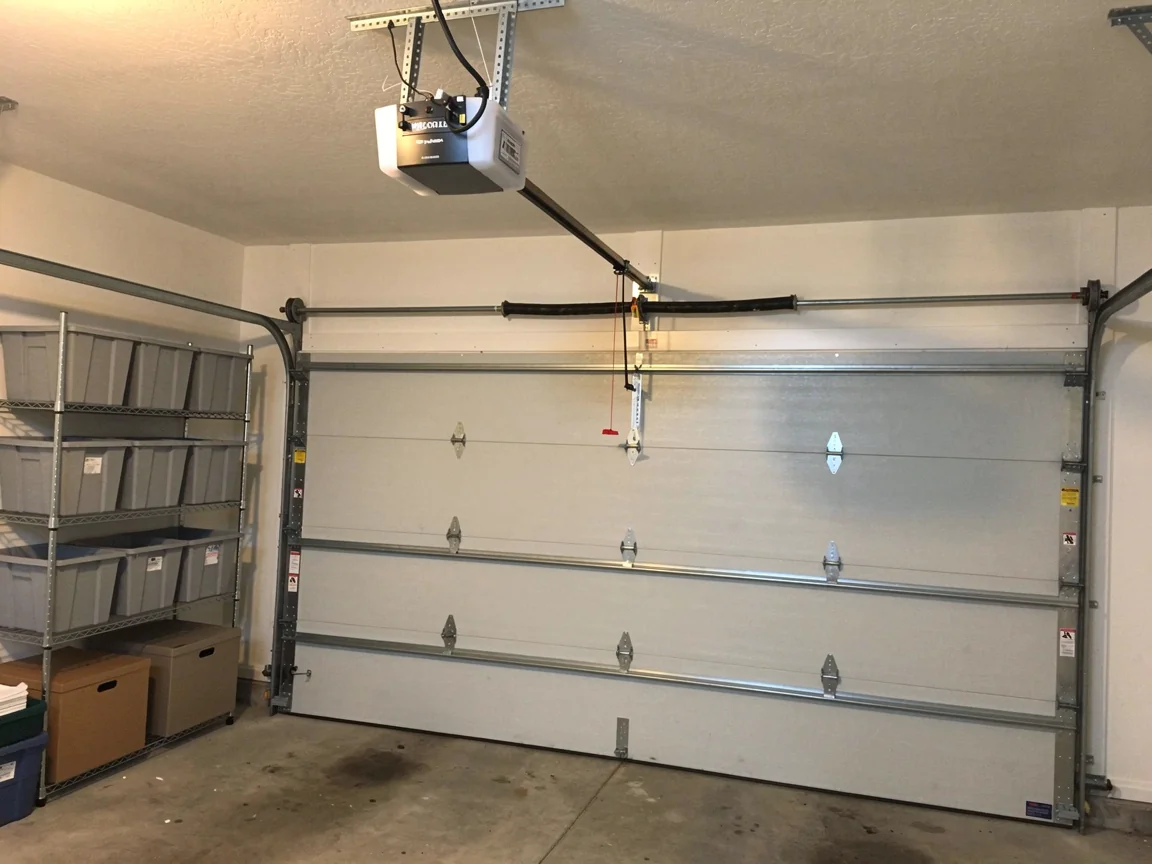
What You Pay
Eloy's median household income runs $54,080, and that's the number that shapes which repairs we recommend over replacement. On a door from the late 1990s, a torsion spring or a roller job is usually the right call - the door itself still has life in it, and fixing the failed part costs less than swapping the whole unit. Where it stops making sense is when the door panels themselves are rusted or the track is bent beyond adjustment; at that point we'll tell you replacement is the better spend, even though it's the bigger number up front.
We don't post flat prices here because what a job costs depends on spring size, door weight, and whether the opener needs touching too - but we price the job on-site before we start, not after.
What the Fix Involves
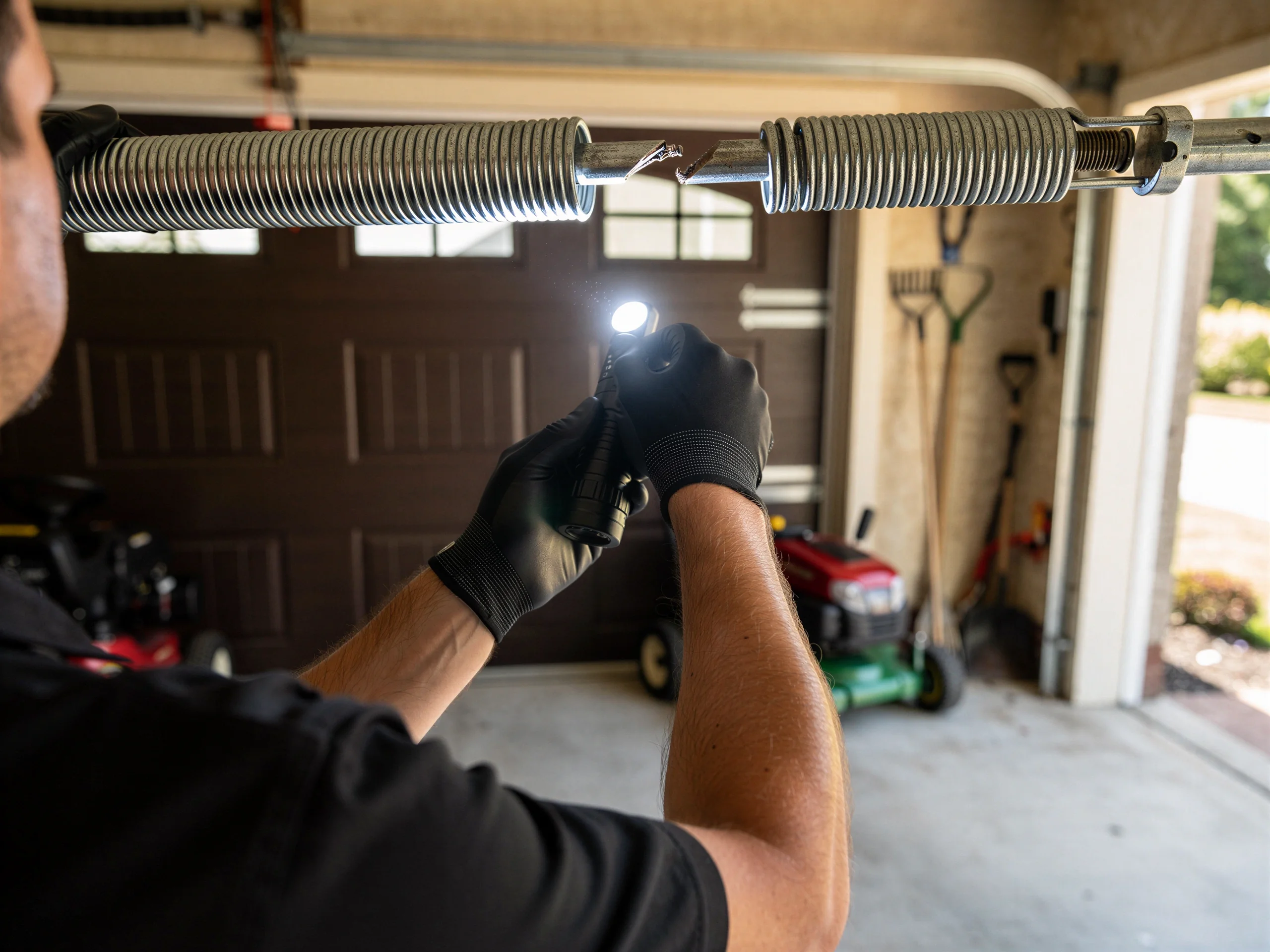
On a door built around 1998, the torsion spring is almost always the first thing to go, and it's usually a single spring on a standard door rather than the dual-spring setup you'd see on a heavier insulated model.
Measure before winding
We unwind the old spring, measure the shaft and wire gauge against what's actually installed rather than guessing from the door's age, and wind in a replacement rated for the door's weight plus a safety margin.
Chain tension and gear check
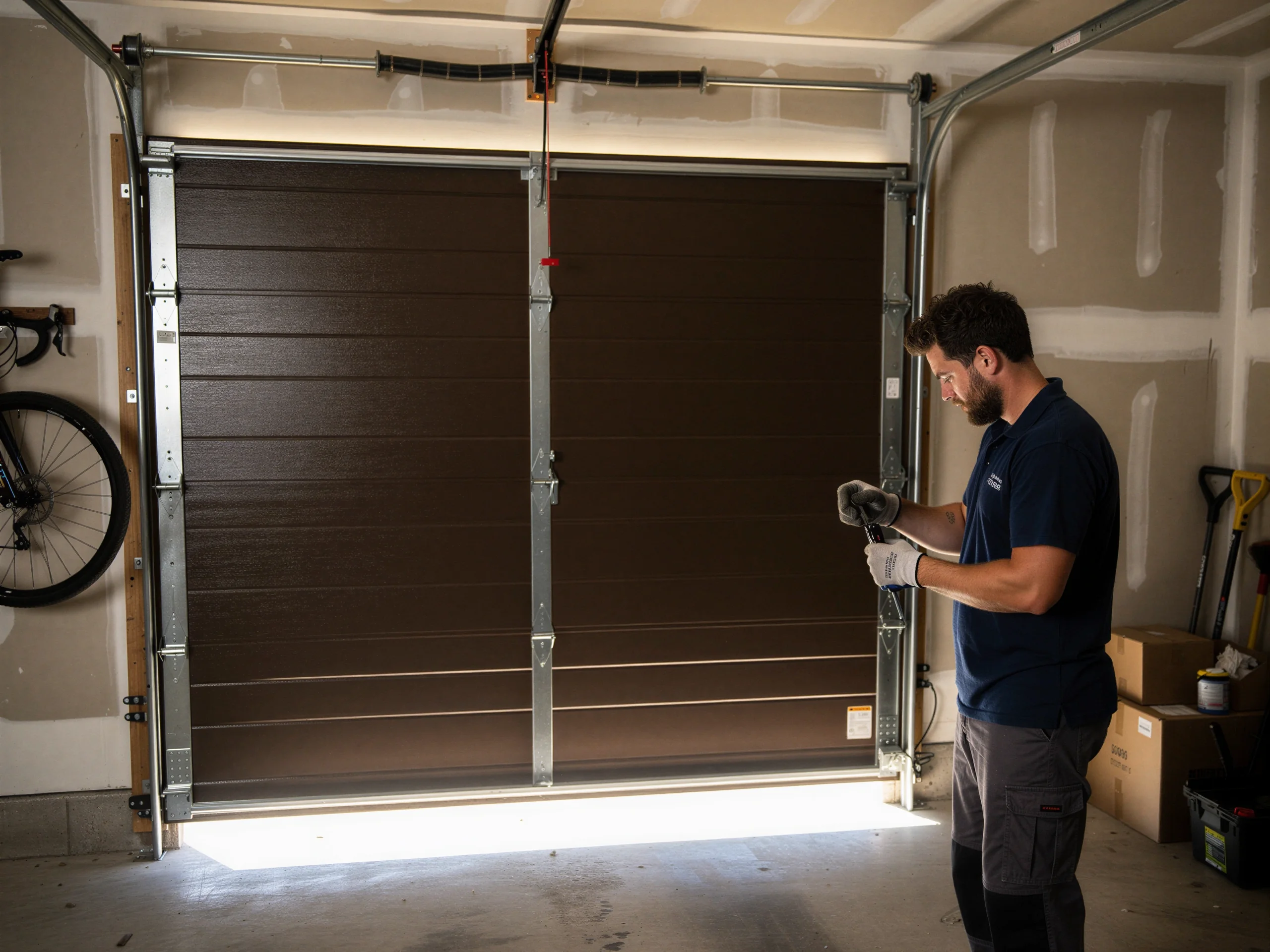
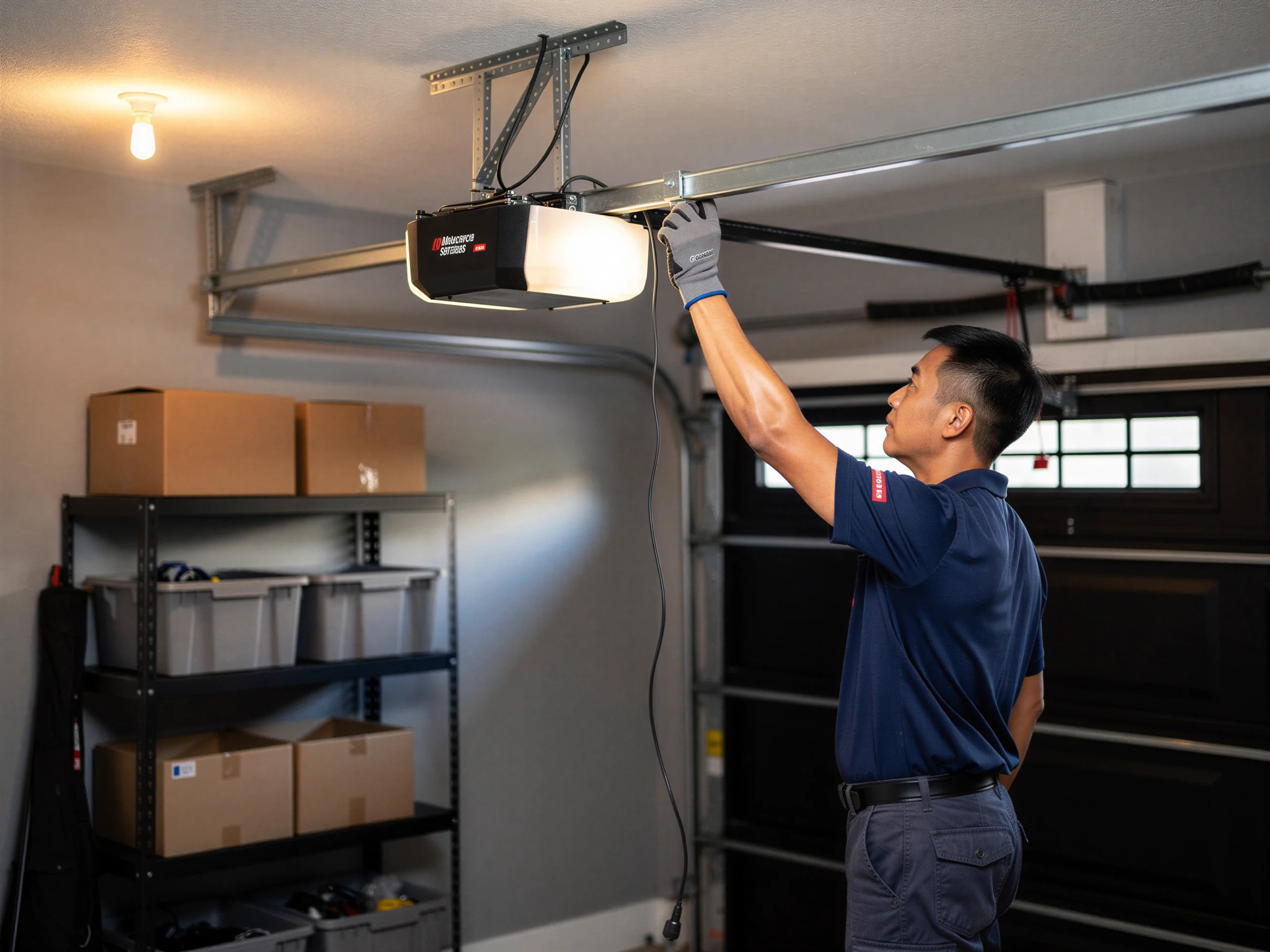
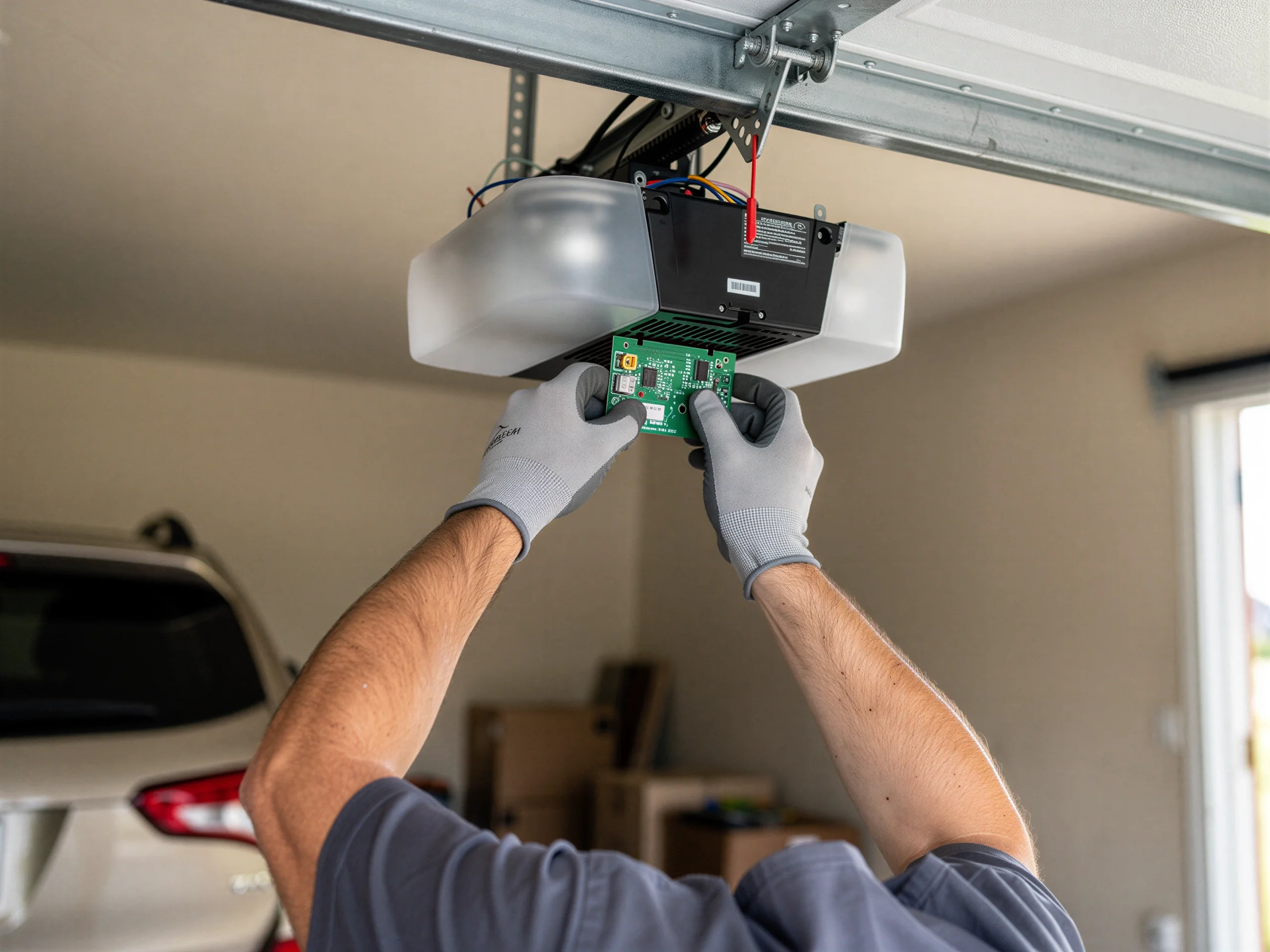
If the opener is original to the house, we check the drive gear and the chain or belt tension at the same time - a 1998-era opener has usually seen one gear replacement by now, if any.
Loose track lag screws
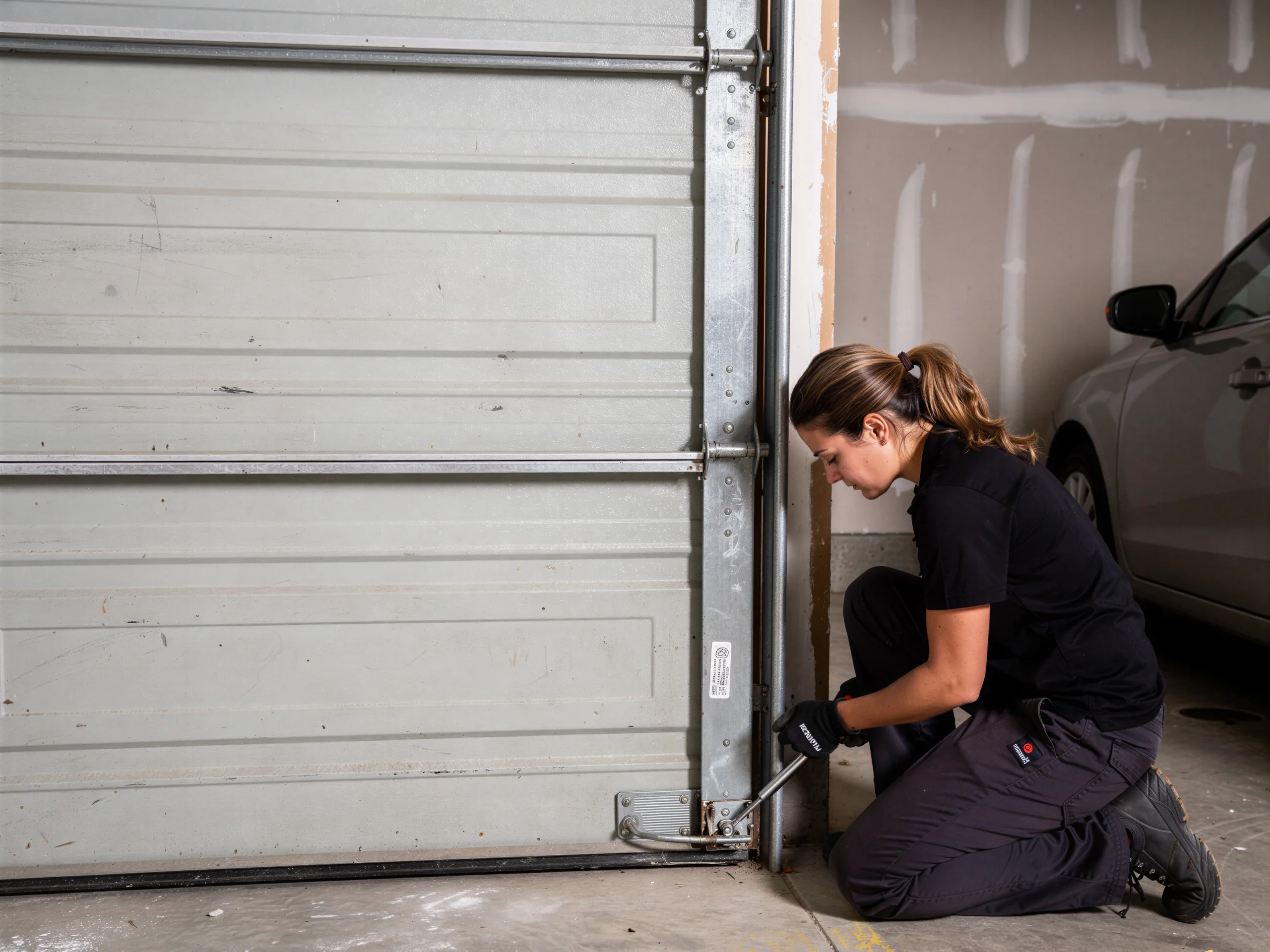
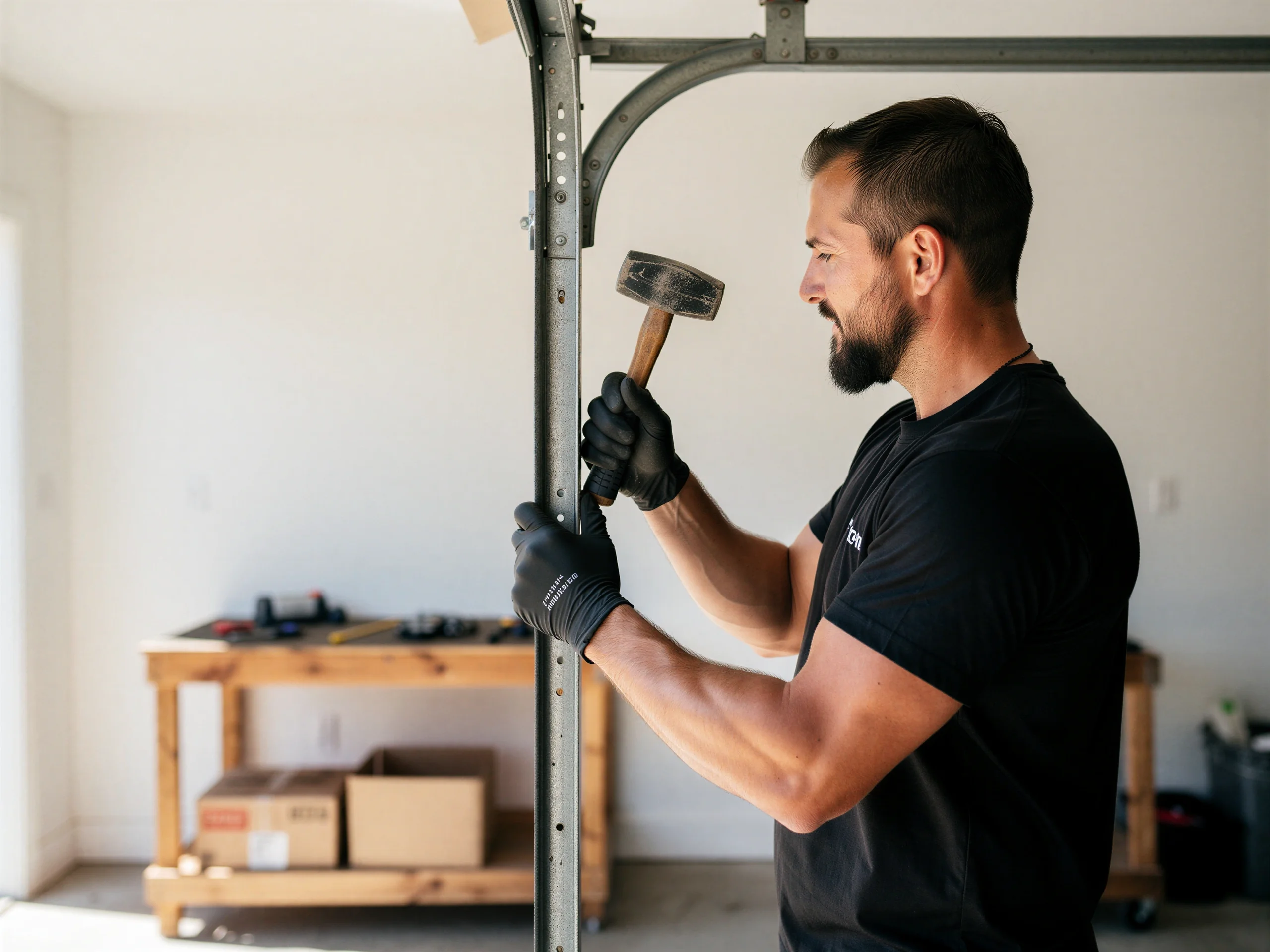
We inspect the rollers and track brackets as part of the same visit, since severe summer heat warps plastic rollers and loosens the lag screws holding the track to the jamb faster than it would in a cooler climate. If the bottom panel shows rust or the bracket holes have stripped out, we'll say so plainly rather than just bolting new hardware onto a frame that won't hold it.
How Long It Takes
A spring or roller job on a standard torsion setup, once we're on-site, typically runs under two hours. The bigger variable for Eloy is the drive out - we're coming from Casa Grande, roughly 15 miles, so that travel time factors into scheduling the visit, not into the repair itself once we're there. If the job turns up something we didn't expect, like a bent track that needs a section replaced, we'll tell you before we start rather than stretching the original estimate without a word.
Parts for common torsion springs and rollers are on the truck, so there's no waiting on an order for those. Less common parts - an opener model no longer made, or a custom panel - do mean a second trip, and we'll say that up front rather than promise a same-day fix we can't back up.
Talk to a local pro
Garage door service in Casa Grande?
Same-day service with honest, upfront quotes.