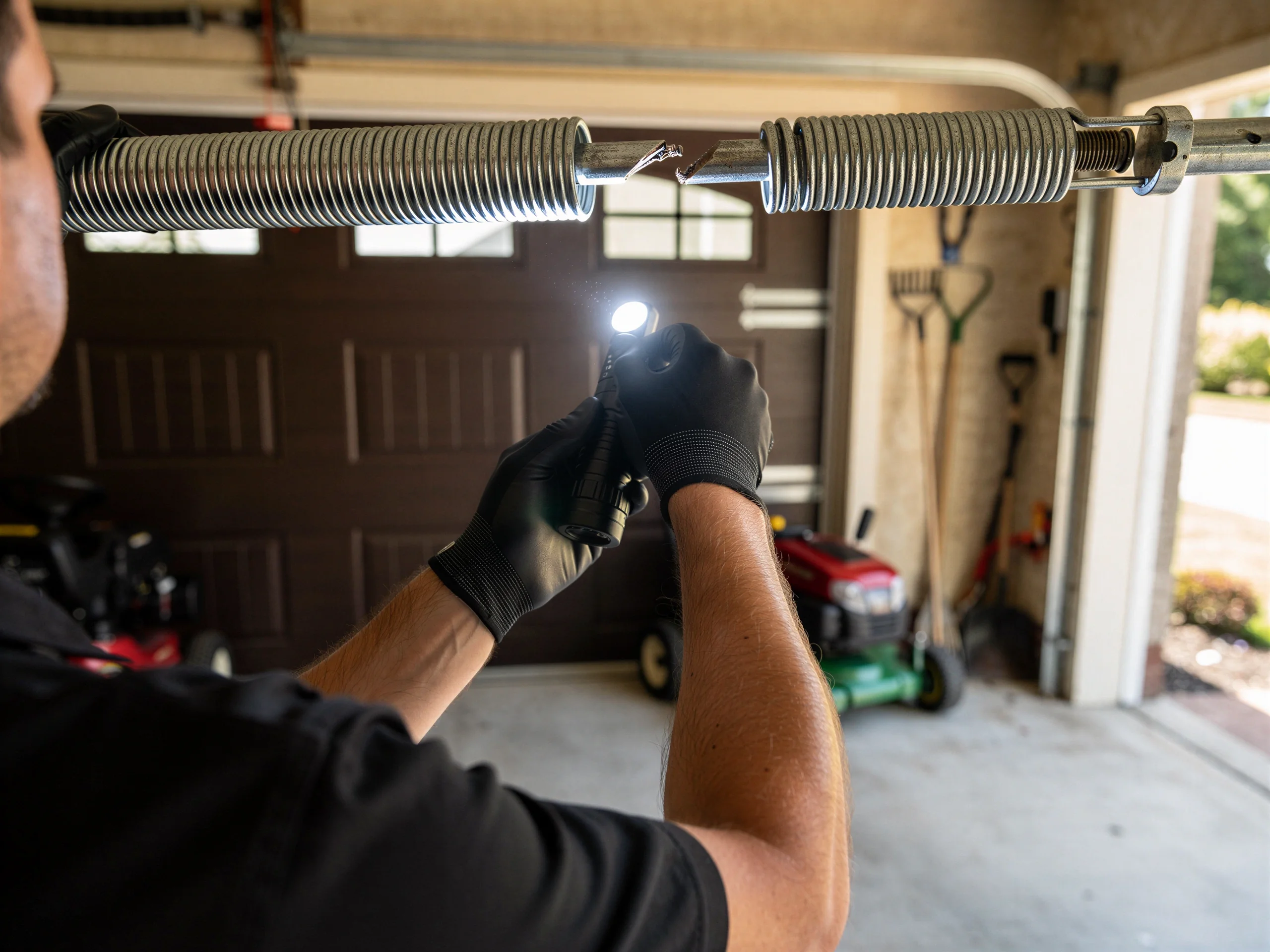
Why This Fails Locally
Arizona City sits 12 miles out from our Casa Grande shop, and that drive shapes how an emergency call here actually works. There's no local branch to walk into - a truck comes from Casa Grande, which means the first thing that matters on the phone is telling us what's actually broken, not just "my door won't open." That gets the right parts loaded before anyone leaves the yard.
The houses here run newer than a lot of what we see elsewhere in the service area - median year built around 2001, compared to a broader stock that goes back to 1960. That means fewer of the old one-piece wood doors and more steel sectional doors on factory torsion or extension springs that are now over twenty years old. Those springs are at or past the end of their cycle life, and they don't warn you - they just let go, usually on a day it's over 110 degrees and the garage has been heat-soaking all afternoon. Severe summer heat here isn't just uncomfortable for the people in the house; it dries out opener gears and bakes the grease out of rollers faster than it would in a milder climate.
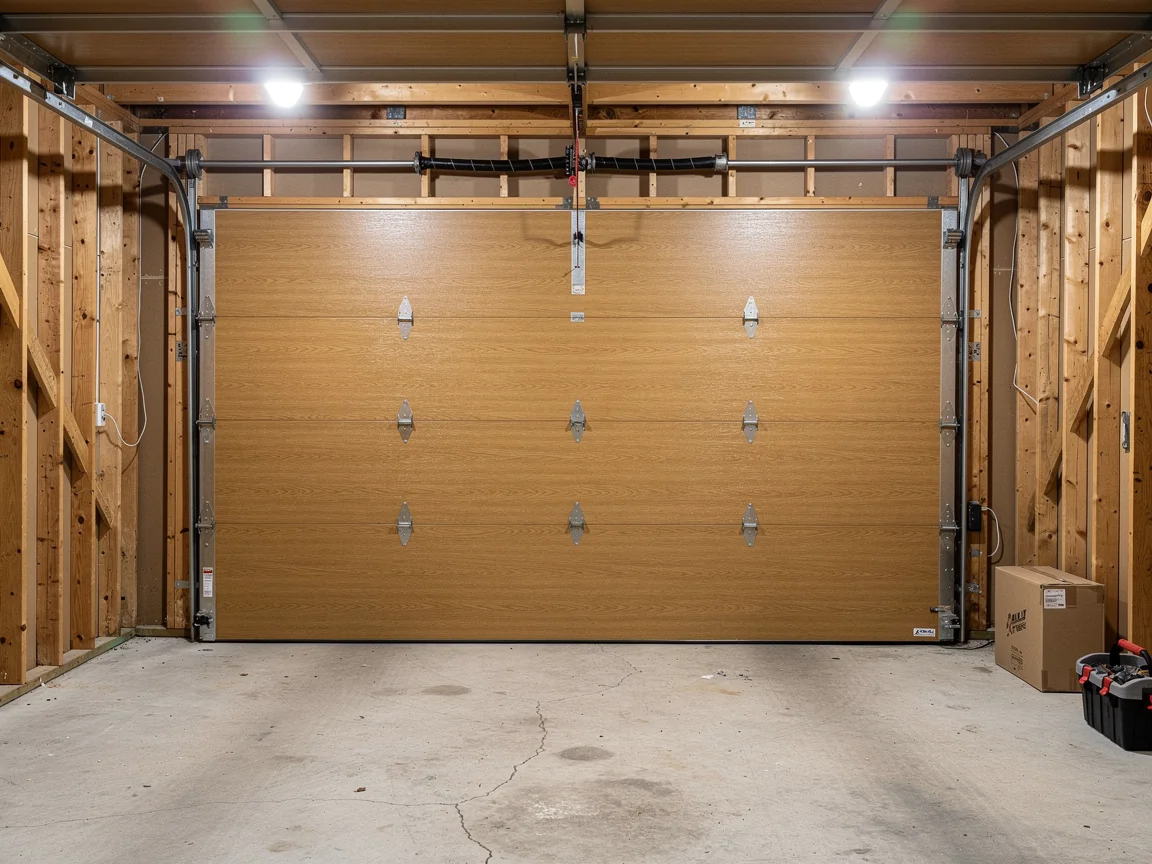
What the Fix Involves
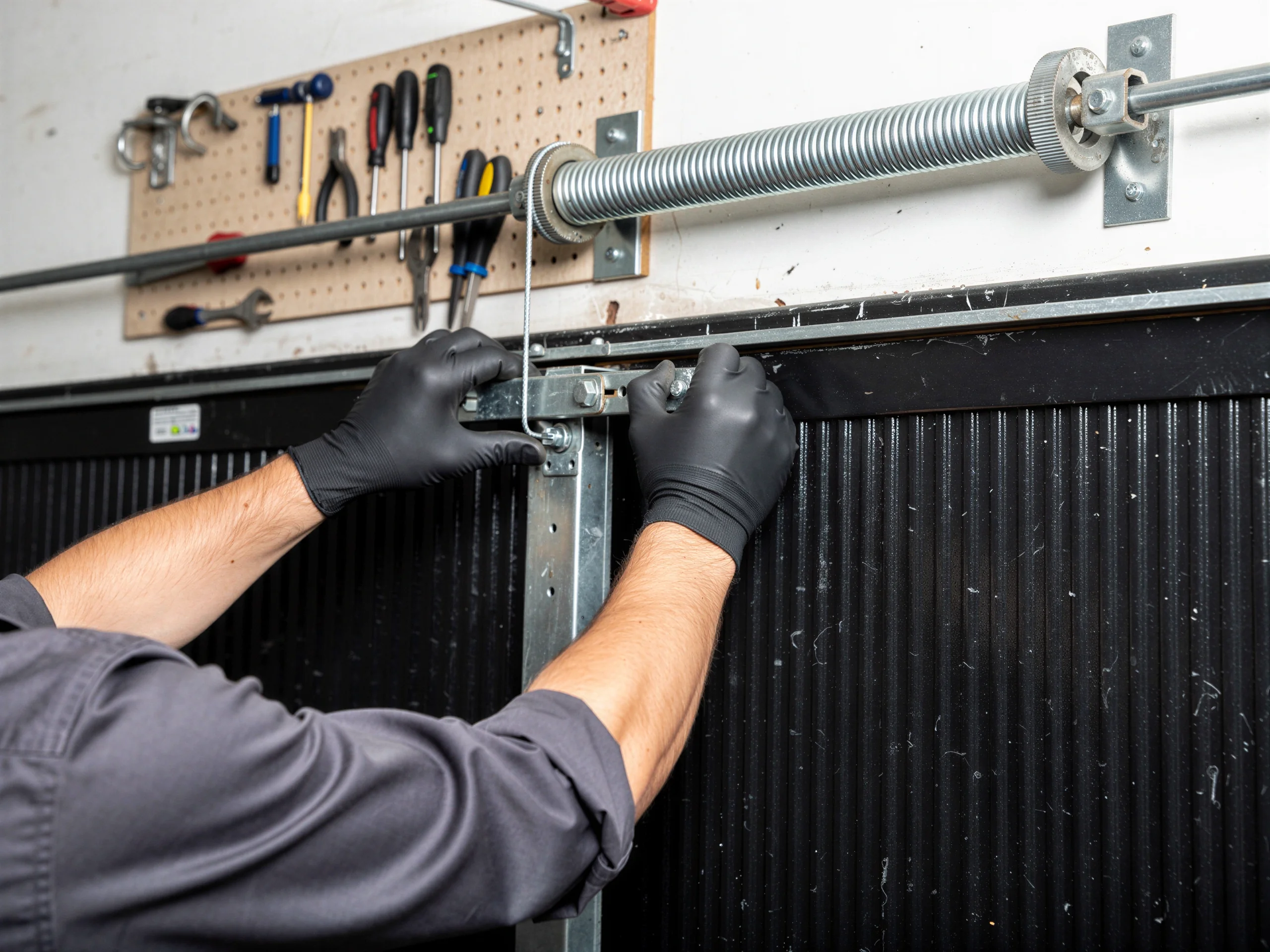
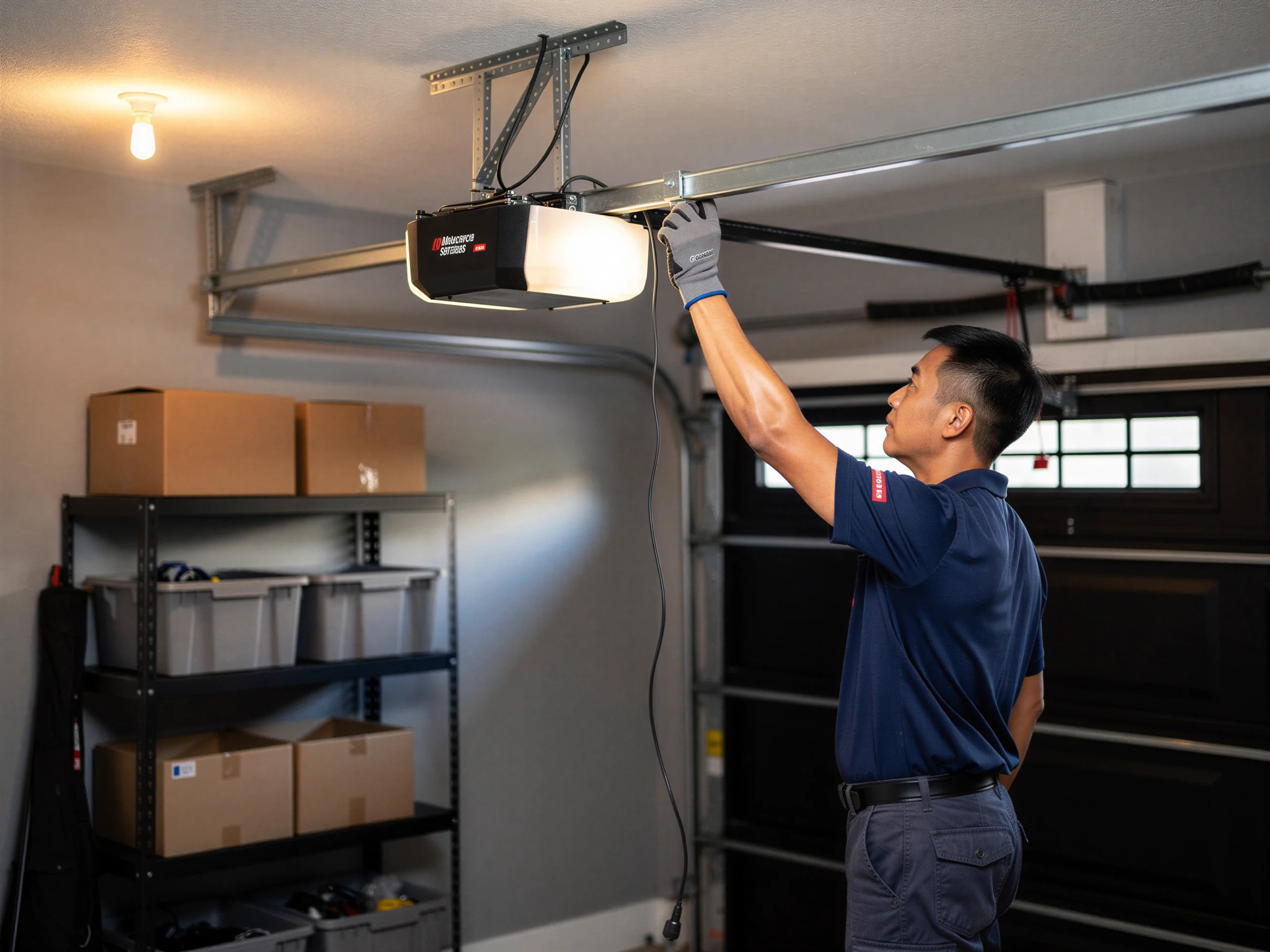
Most emergency calls to this area break down into one of two things: a spring that's snapped on a door built sometime in the late 1990s to early 2000s, or an opener that's quit from heat-stressed gears or a dead capacitor.
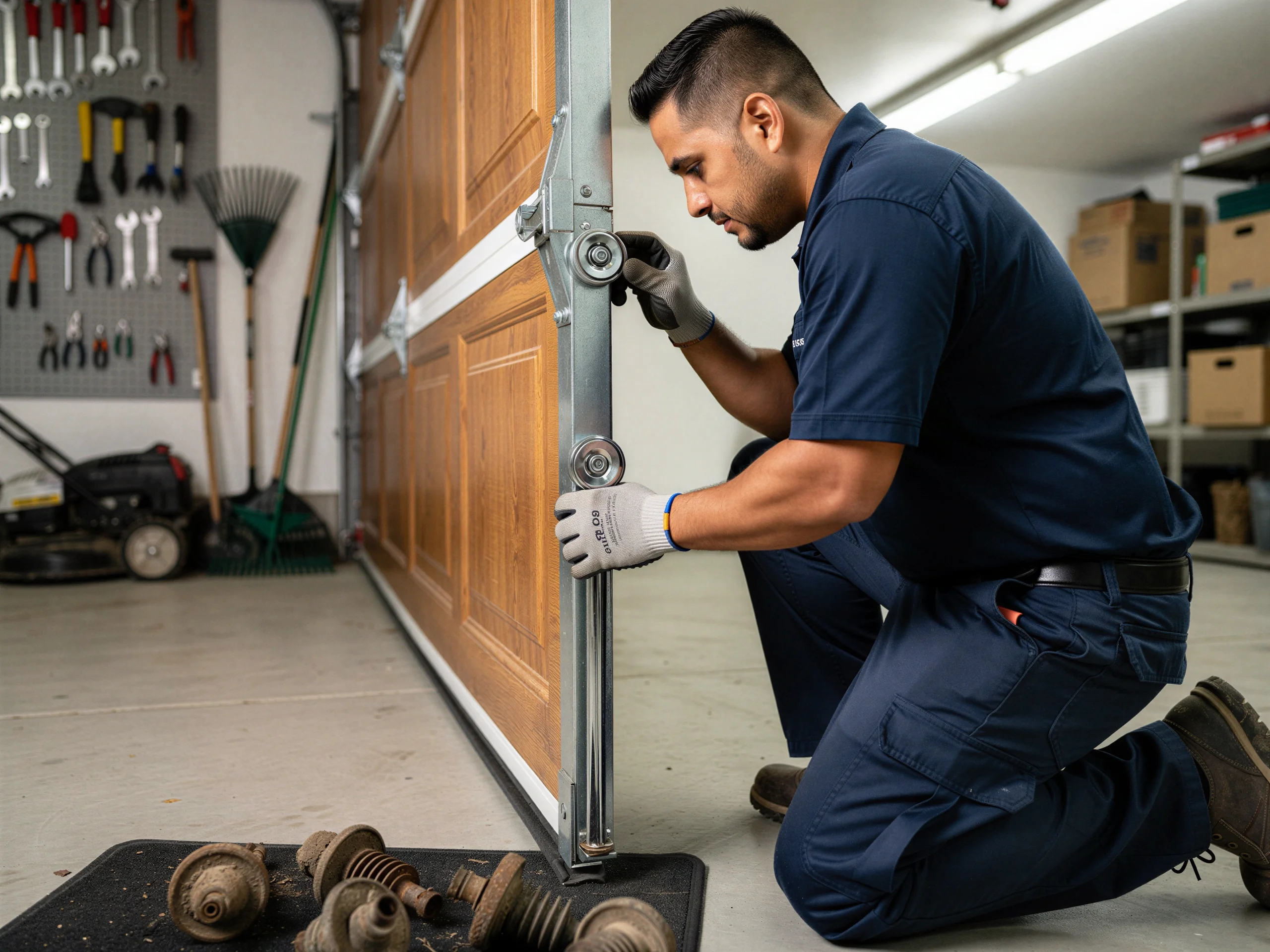
Measure springs on site
Because the housing stock here is fairly uniform in age, we come prepared with torsion spring sizes that match what was standard on builder-grade doors from that era - but we still measure on site rather than guess off a build year.
Heat-killed opener parts
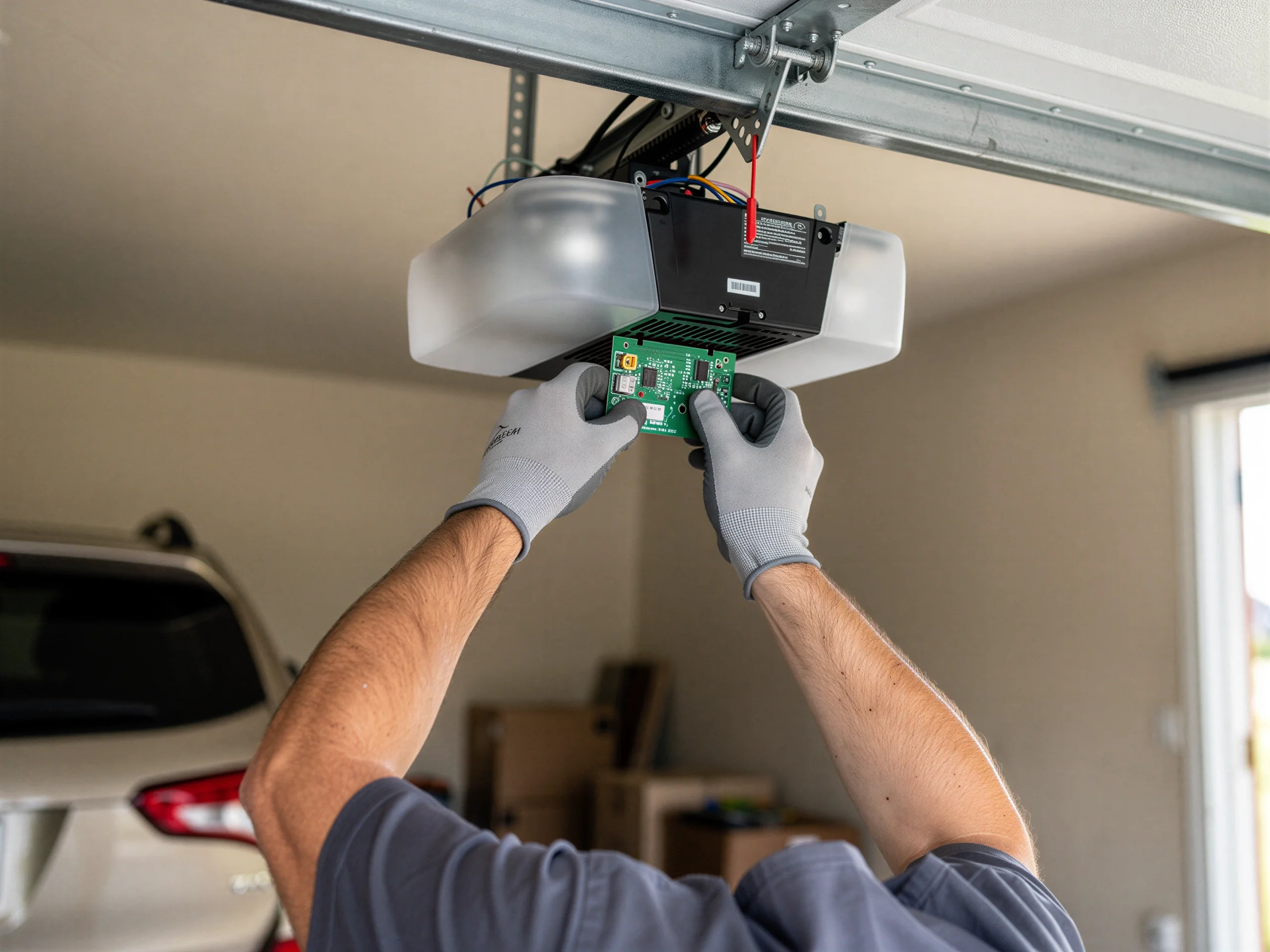
If it's a dead opener, we check the obvious heat-related failures first: a cracked drive gear, a capacitor that's swelled from sitting in a hot garage for two decades, or a logic board that's cooked.
Diagnose before parts swap
We don't swap parts on a guess - we isolate the fault, show you what failed, and quote the fix before touching anything expensive. If the opener is original to a 2001-era build, parts availability is sometimes the limiting factor, and replacement can end up cheaper and faster than hunting down a discontinued board.
What You Pay
We don't have a published price list for Arizona City calls specifically, and we're not going to invent a number here. What we can tell you is that because this address sits 12 miles from our Casa Grande base, the drive is a factor we account for separately from the repair itself - ask when you call and we'll give you a real number before the truck leaves, not after.
Getting It Booked In
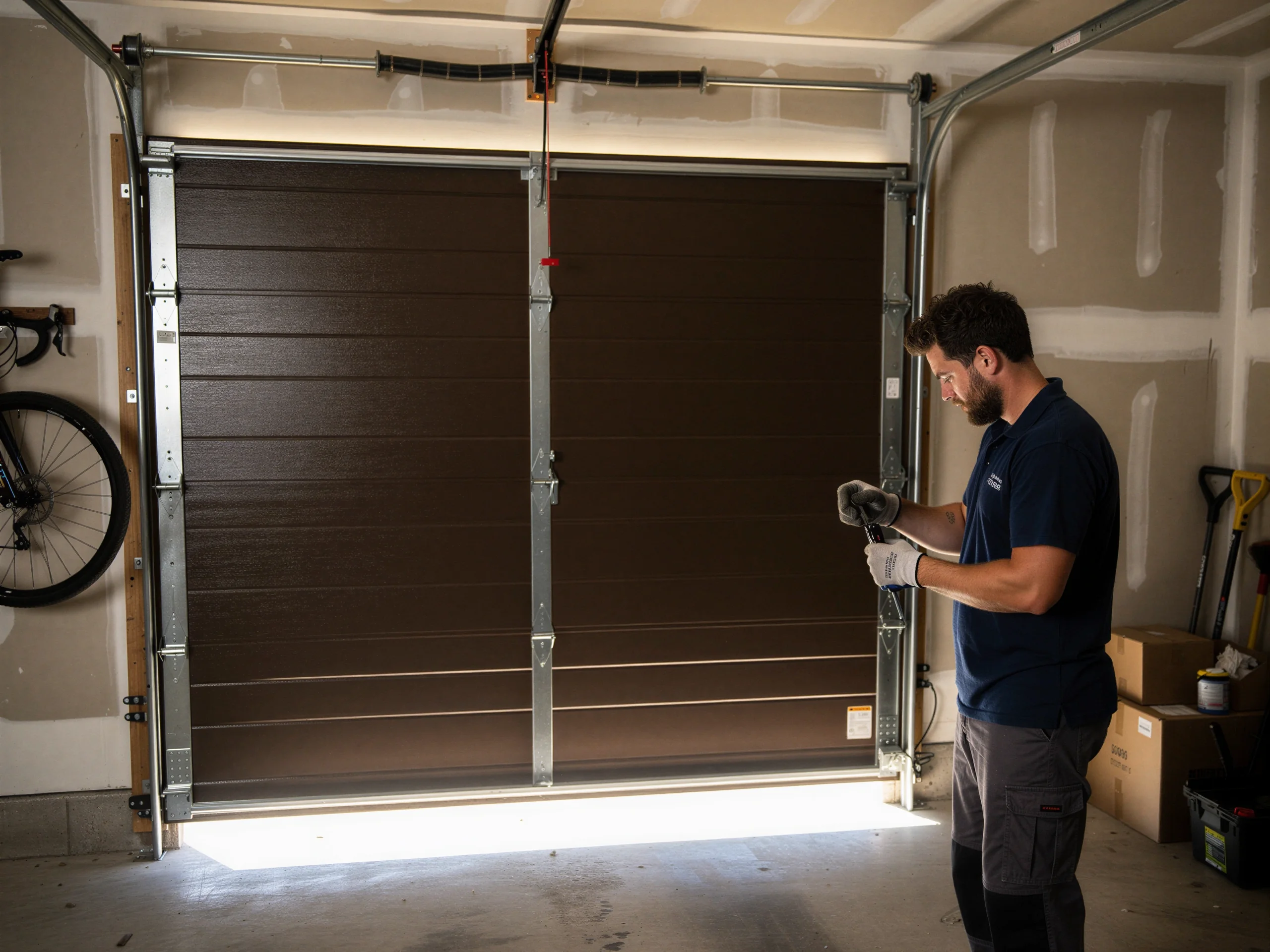
Call ahead and tell us what you're seeing - a door stuck halfway, a spring that's visibly snapped, an opener that hums but doesn't move the door. That lets us load the right spring size and hardware for a door built in the early 2000s rather than showing up and driving back for parts, which matters more here than it would for a job five minutes from the shop. Since every Arizona City call starts with that 12-mile drive from Casa Grande, the clearer the description, the less time you spend waiting on a truck that had to turn around.
What Can Go Wrong
The biggest recurring issue in this area is heat fatigue - springs, cables, and plastic opener components all age faster under sustained severe heat than the manufacturer's rated cycle count assumes.
Heat shortens part life
A spring rated for a certain number of cycles in a mild climate can fail well short of that here. We also see opener logic boards fail from heat exposure in garages that sit closed all day with no airflow, which is common in newer builds that were sealed tighter than older construction.
Discontinued 2001 parts
One honest limitation: if a part is original to a 2001-era builder-grade opener and the manufacturer has discontinued it, we may not be able to source an exact replacement board or gear kit quickly.
Swap instead of waiting
In that case we'll tell you straight that a full opener swap is the faster and often cheaper path, rather than chasing a part that could take weeks to land.
Can You Do This Yourself
Checking the obvious stuff is fine - look for a disconnected safety sensor, a tripped circuit breaker, or a remote with a dead battery before you call anyone. Clearing track debris or re-aligning a sensor eye yourself is reasonable and saves you a call-out.
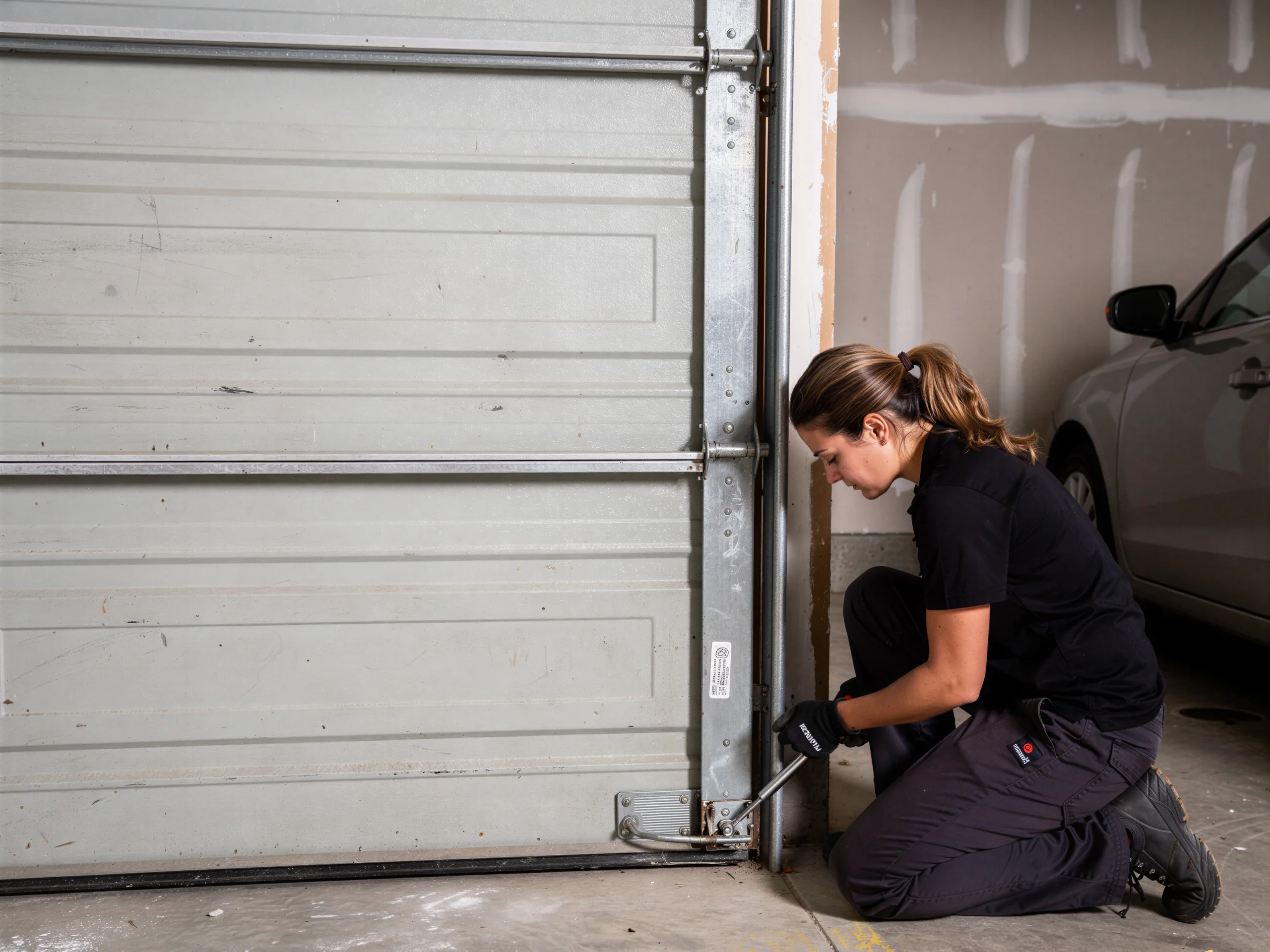
A broken torsion spring is not a DIY repair. These are wound under enough tension to cause serious injury, and the specialized bars needed to wind them safely aren't something most garages have lying around. Same goes for cable replacement on a door with the spring still under load. If the door won't move and you suspect a spring or cable, leave it alone and call - trying to force the door open manually with a broken spring can bend the track or drop the door on someone.
Talk to a local pro
Garage door service in Casa Grande?
Same-day service with honest, upfront quotes.