Why This Fails Locally
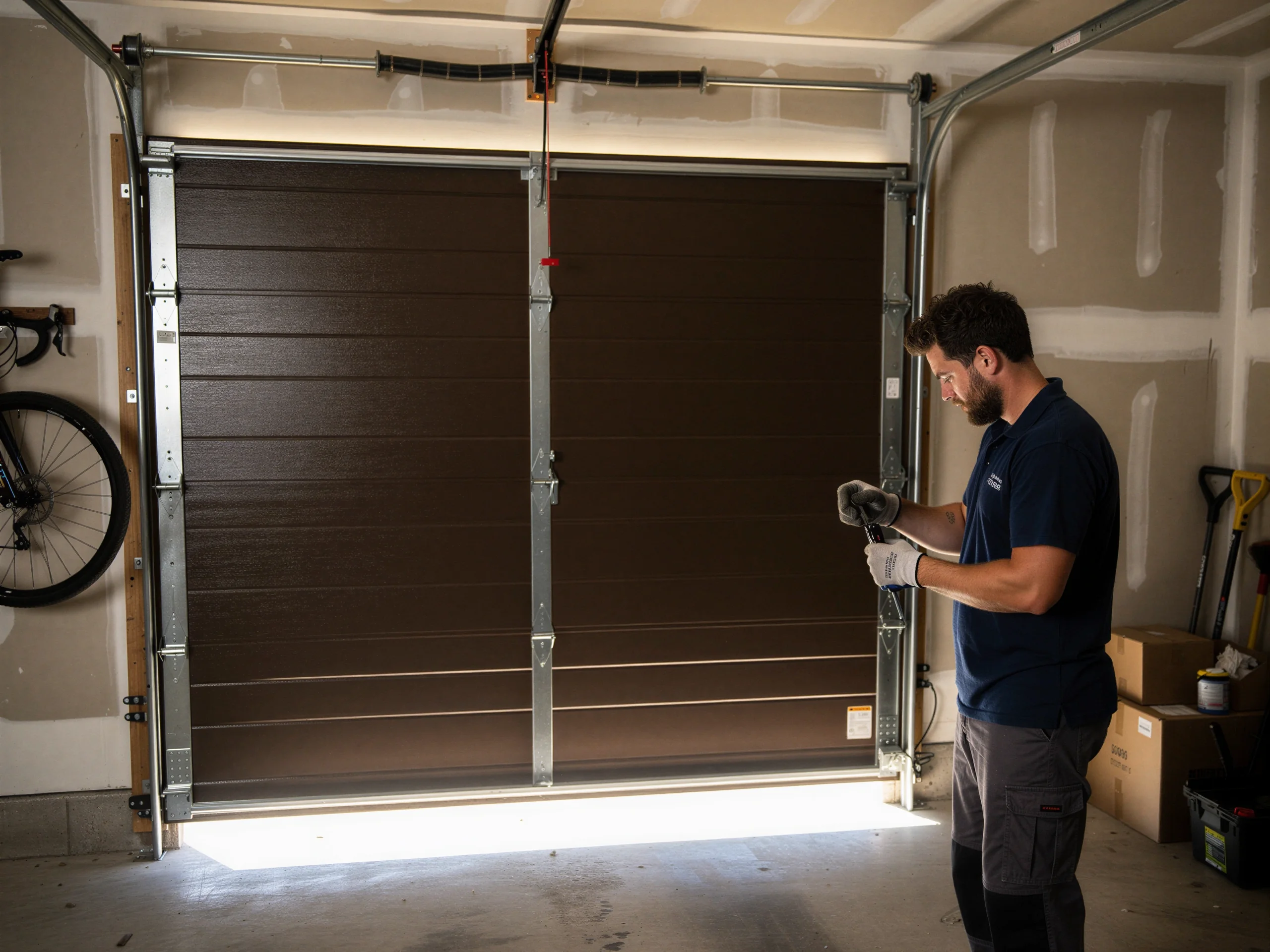
The fault here almost always starts the same way: a door that used to glide now jerks, hesitates, or bangs once as it clears the bottom bracket. That's a roller that's gone from round to flat on one side, or one that's cracked and binding in the track. It's not an opener problem even though it sounds like one.
Most houses in Arizona City went up around 2001, which puts them at builder-grade stock from that era - and builder-grade almost always meant plain steel or hollow plastic rollers, not sealed nylon. Those parts were never meant to last the life of the door. Twenty-plus years of summer heat has baked the lubricant out of the bearings and warped the softer plastic ones, so if your door is original to the house, the rollers are usually the first thing to go before the springs or the opener ever show a problem.
Heat is doing more work here than most owners realize. In a climate band this severe, anything plastic or nylon that sits exposed to a sun-facing door for a decade starts to lose its shape. Steel rollers don't melt, but their bearings dry out just as fast, and a dry bearing under daily cycling wears a flat spot into the roller face within a season or two.
What the Fix Involves
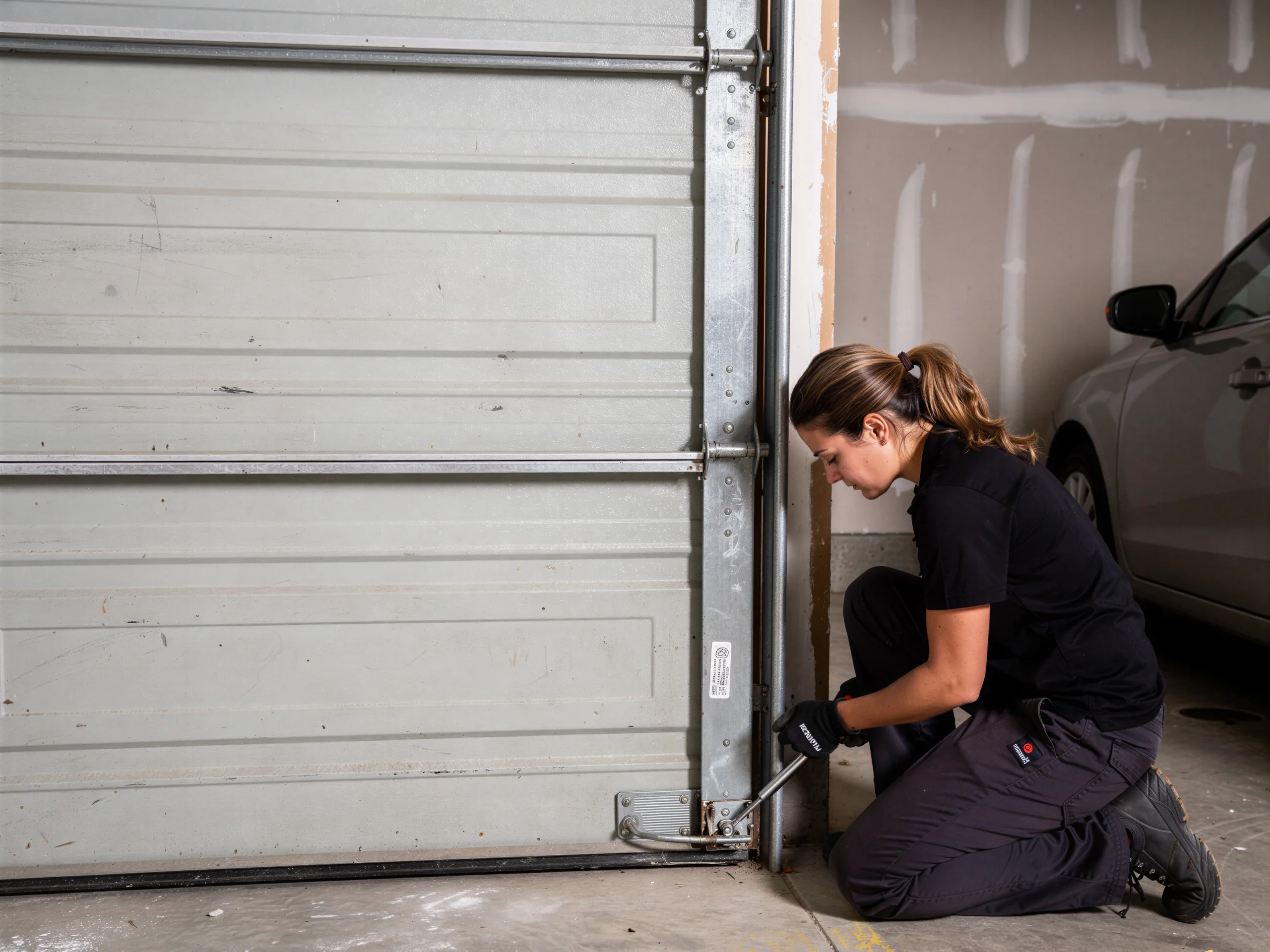
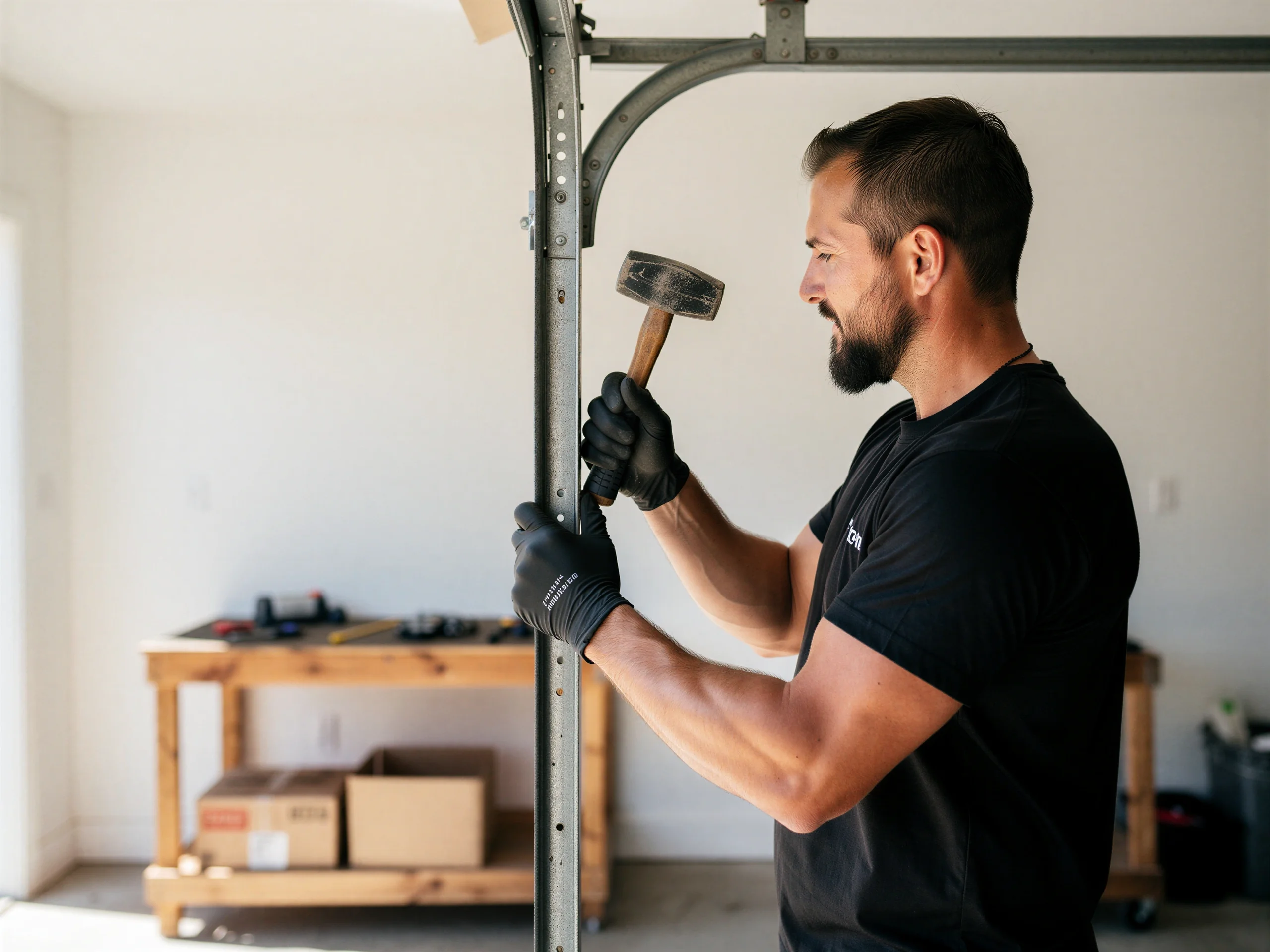
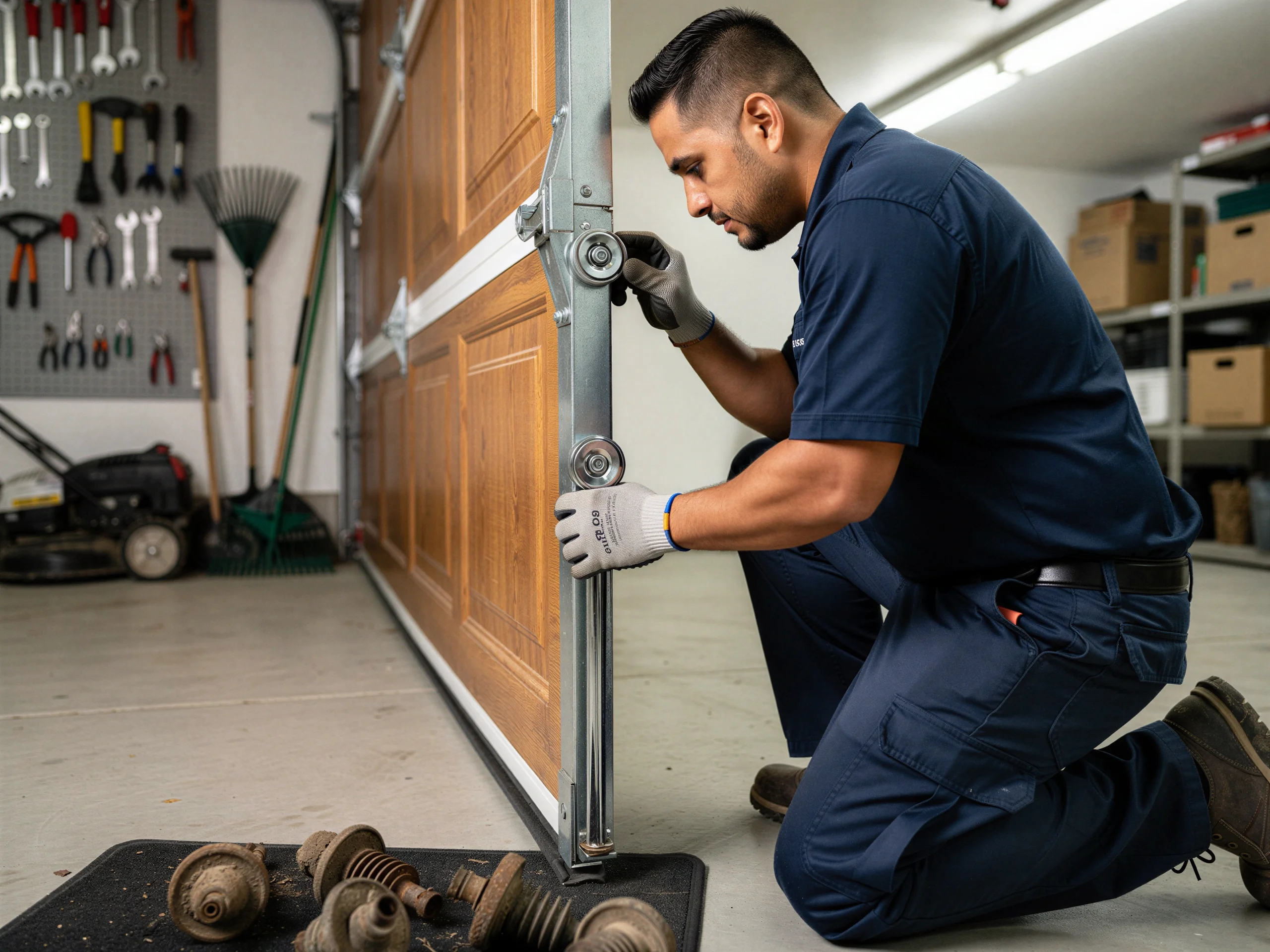
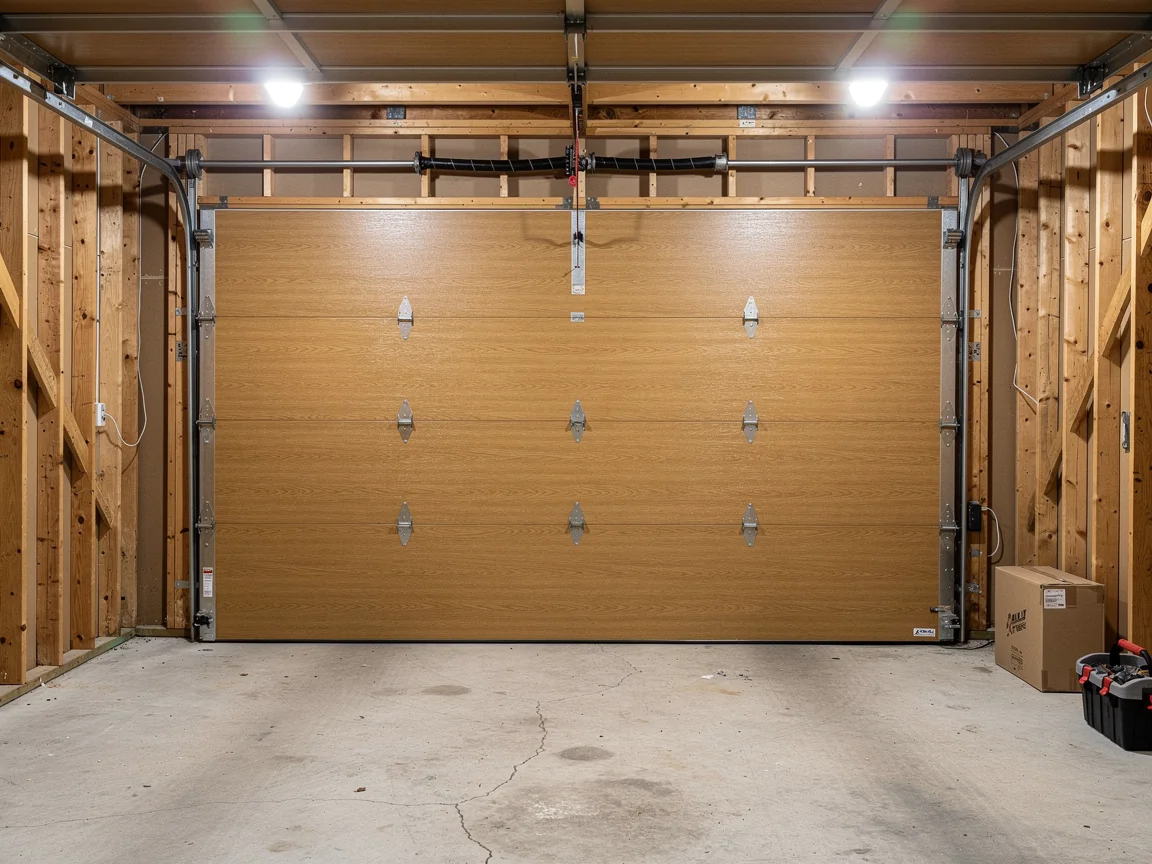
We pull the door down to a safe working position, release track tension on each side, and walk the old rollers out one at a time rather than dropping the whole assembly - that keeps the door from jumping the track mid-job.
Checking brackets first
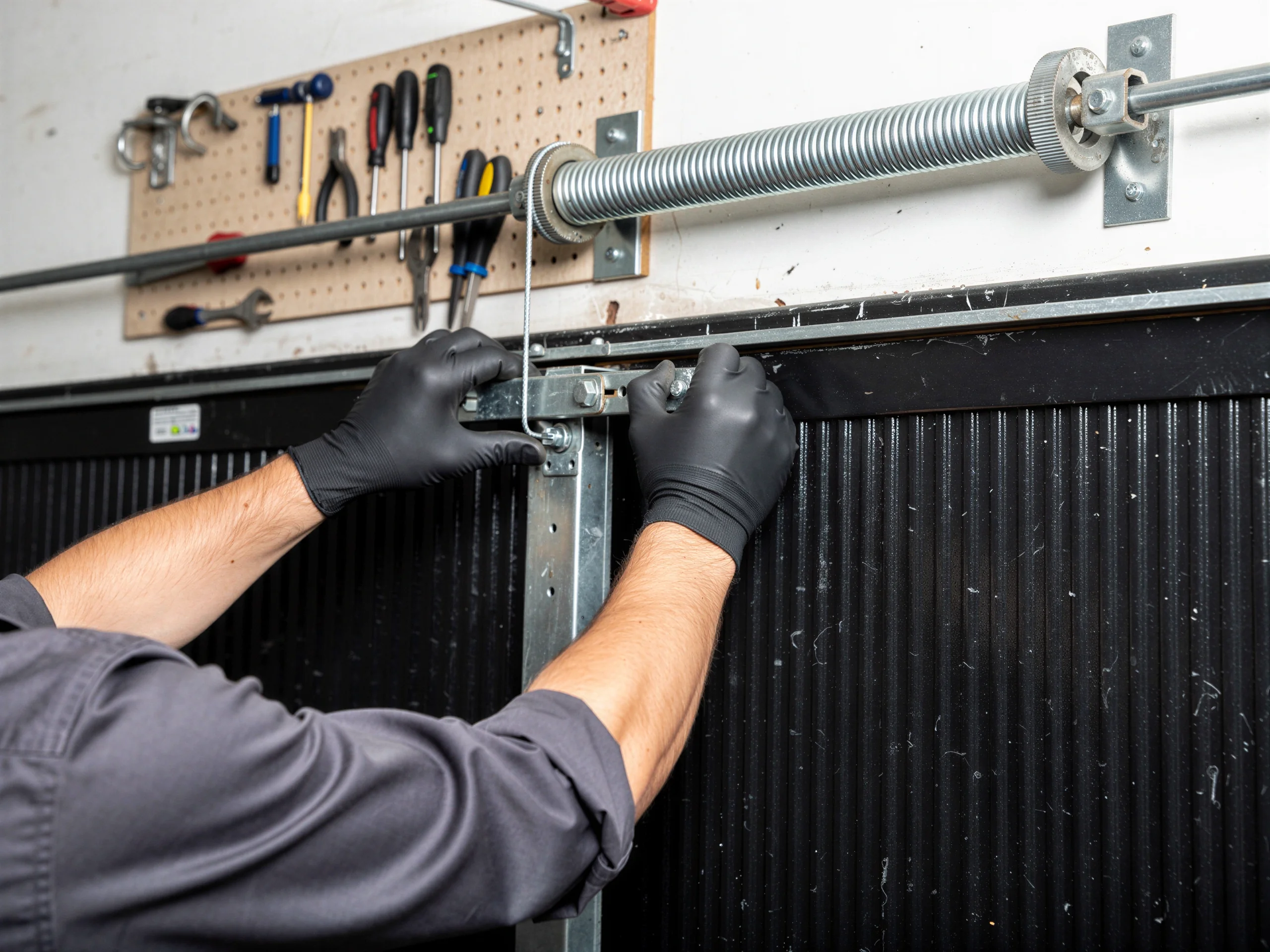
Each bracket gets checked, since a bent bracket is often what killed the roller in the first place, not the other way around. On a 2001-era build, the track itself is usually still true, which is the one piece of good news: you're replacing rollers, not re-aligning a warped rail.
Sealed bearing rollers
We swap in sealed nylon rollers with steel ball bearings, which handle the heat load here far better than what the house came with. Hinges and the bottom bracket hardware get a look too, since rollers rarely fail alone after this many years in service.
What You Pay
We don't have a fixed number to publish for this job, because it depends on how many rollers need replacing, whether brackets or hinges are also worn, and the door size. What we can tell you is that a full roller set is a smaller job than a spring or opener replacement, and it's worth doing before a bad roller takes out a track or a cable.
Getting It Booked In
Arizona City is about 12 miles from our shop in Casa Grande, and that's the number that matters for scheduling - we're not based in town, so a job here goes on the truck route rather than a same-block callback. Tell us what the door is doing (grinding, jumping, catching on one side) when you call, and we'll bring the roller stock most likely to match a house from this era.
What Can Go Wrong
If you let worn rollers run too long, the flat spot eventually chews into the track rail itself, and at that point you're not buying rollers anymore, you're buying a track section too.
DIY bracket oversights
We also see owners replace rollers themselves and miss a bent bracket underneath - new rollers on a bent bracket wear out again in months, not years. On some 2001-era doors we also find the original hinges have stretched their mounting holes from two decades of cycling in the heat.
Hinges fixed alongside rollers
If that's the case, rollers alone won't quiet the door down; the hinges need attention at the same time or the new rollers take the stress the hinges should be absorbing.
Can You Do This Yourself
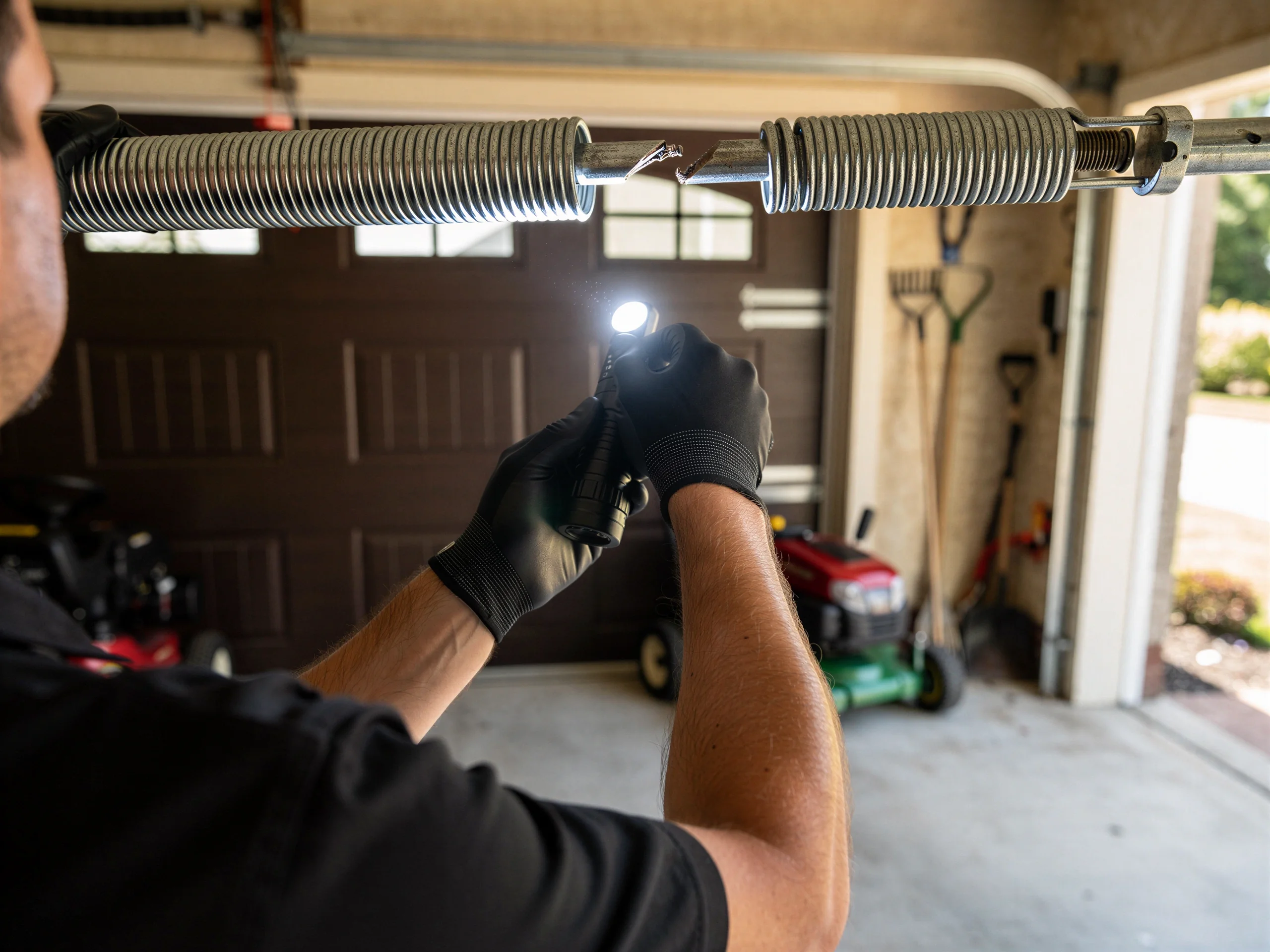
Swapping rollers is one of the more doable DIY garage door jobs if you have the right pry tool and you're not working anywhere near the torsion spring. The top two rollers on each side (closest to the spring and cable) are the ones we'd leave to a tech - that's where a mistake turns a roller job into an ER visit. If your door is sagging, off-track, or the opener struggles to lift it, that's not a roller problem anymore and it's not a safe one to start taking apart solo.
Talk to a local pro
Garage door service in Casa Grande?
Same-day service with honest, upfront quotes.