What Can Go Wrong
Most houses in Sacaton went up around 1993, which puts a lot of garage doors and their hardware right at the point where original parts start failing instead of just wearing.
Spring cycle count exceeded
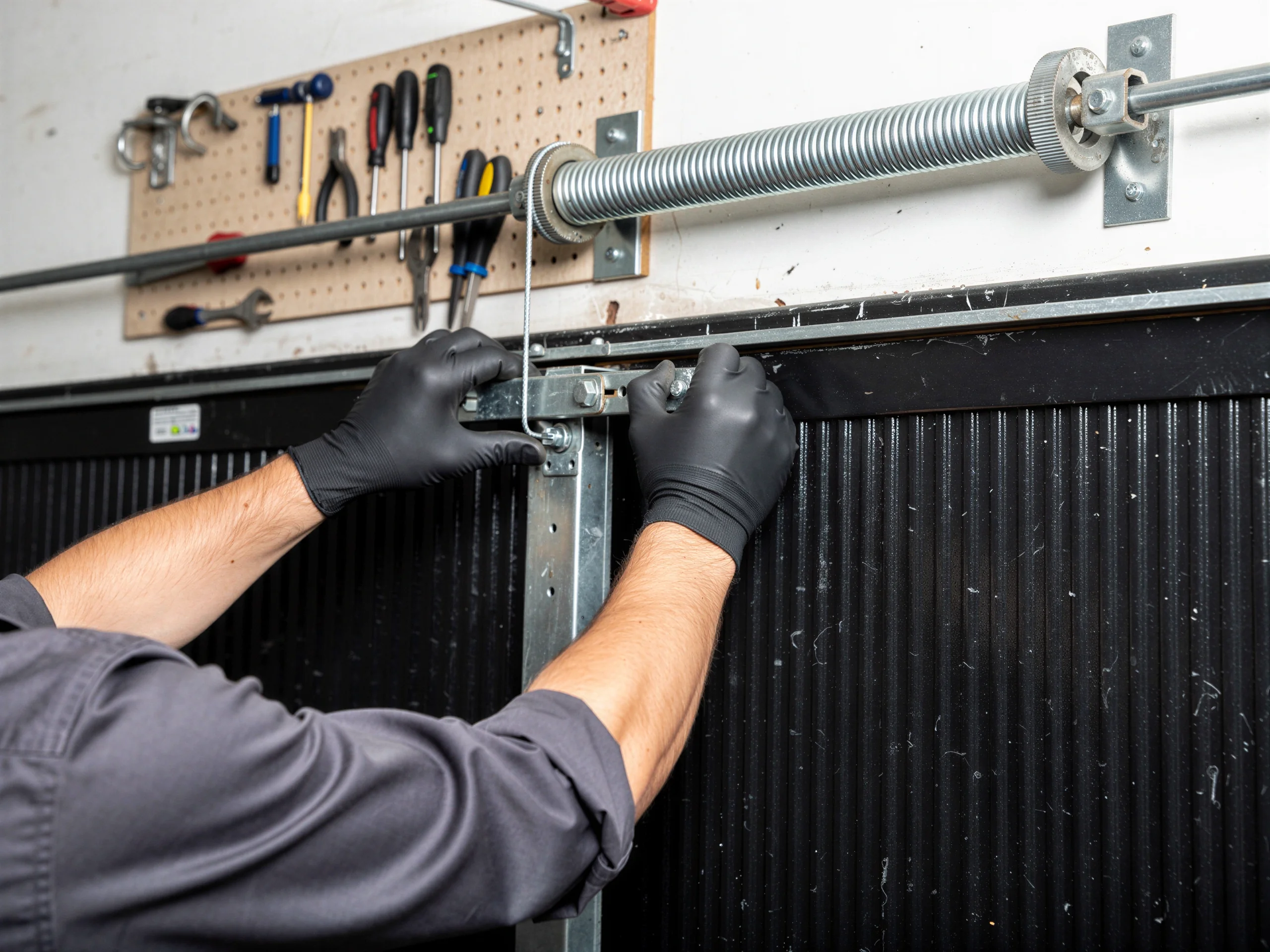
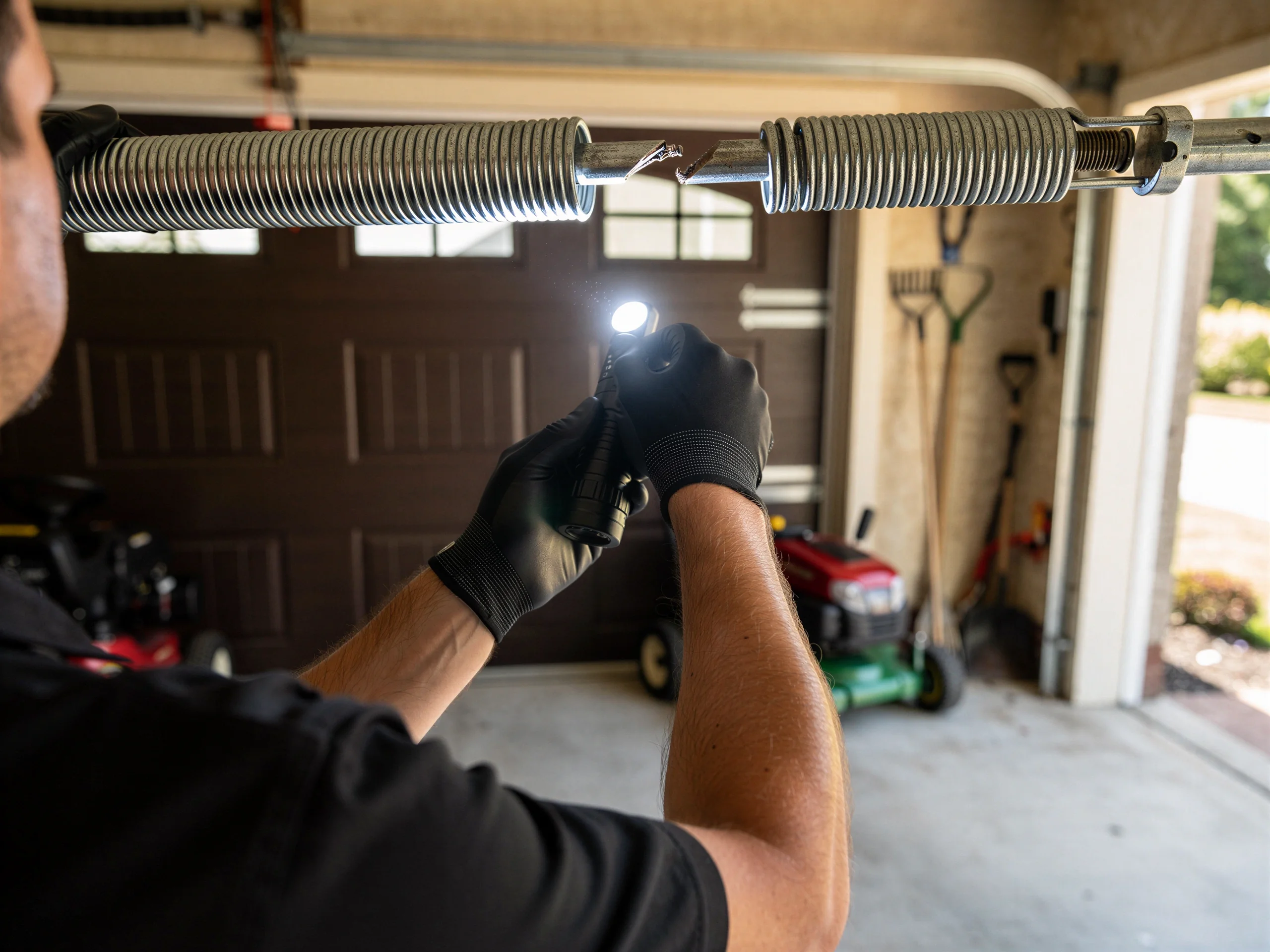
If nobody's touched the spring since the house was built, it's done somewhere north of 15,000 cycles - that's the range where torsion springs snap, usually on a cold morning or after a stretch of heat that's dried out the lubricant and stiffened the coil.
Heat as main stress
Heat here isn't a side note, it's the dominant stress on these doors: the service area sits in a severe-heat climate band, and that cycles steel panels, nylon rollers, and plastic idler bearings through expansion and contraction all day.
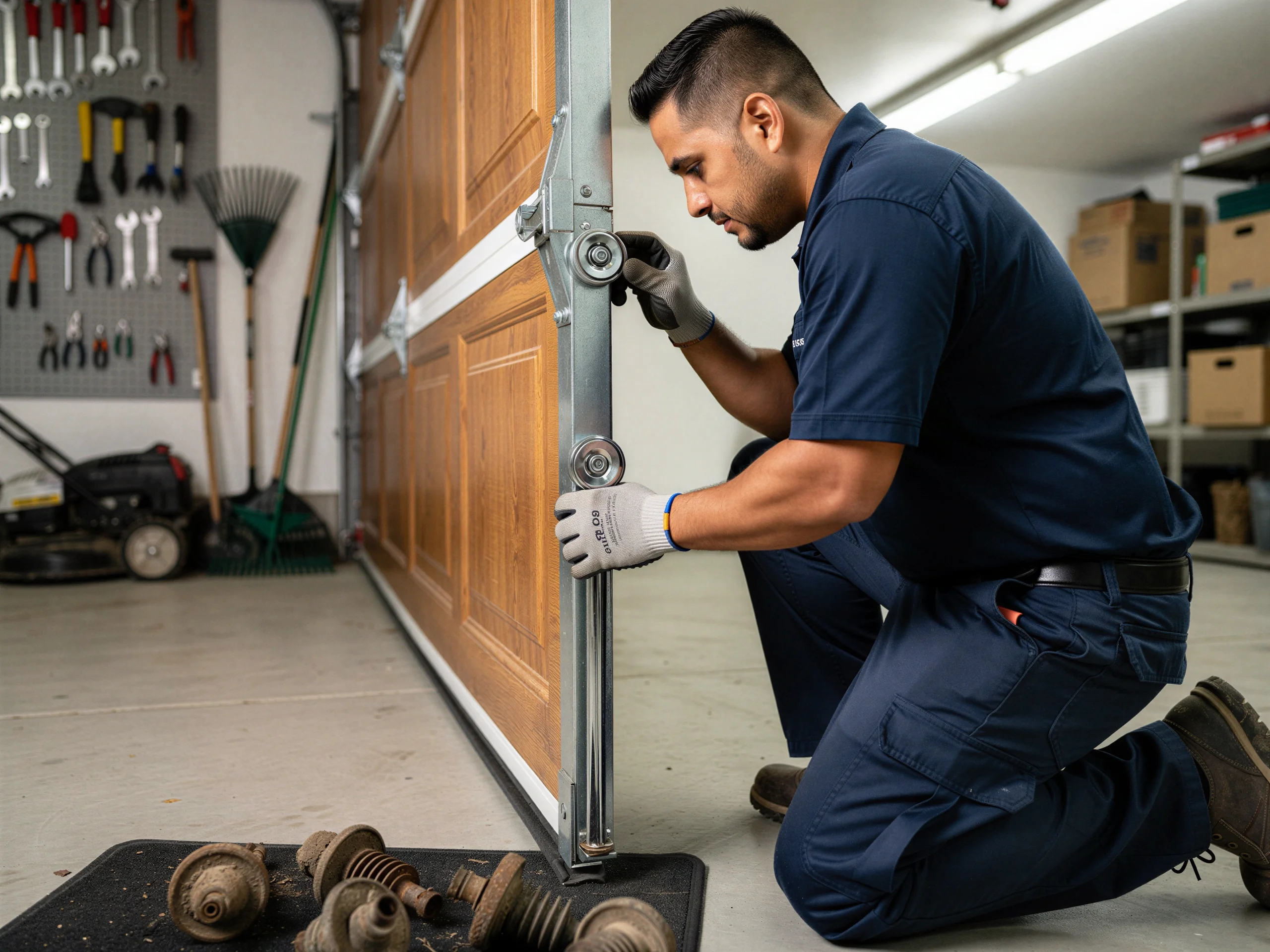
Track jumps in heat
A door that's been fine for years can jump a track the first week it hits triple digits. With roughly 706 households in Sacaton, a fair number are running the same builder-grade opener and torsion setup from the original install - no upgrade, no replacement, just slow fatigue.
Common Sacaton failure calls
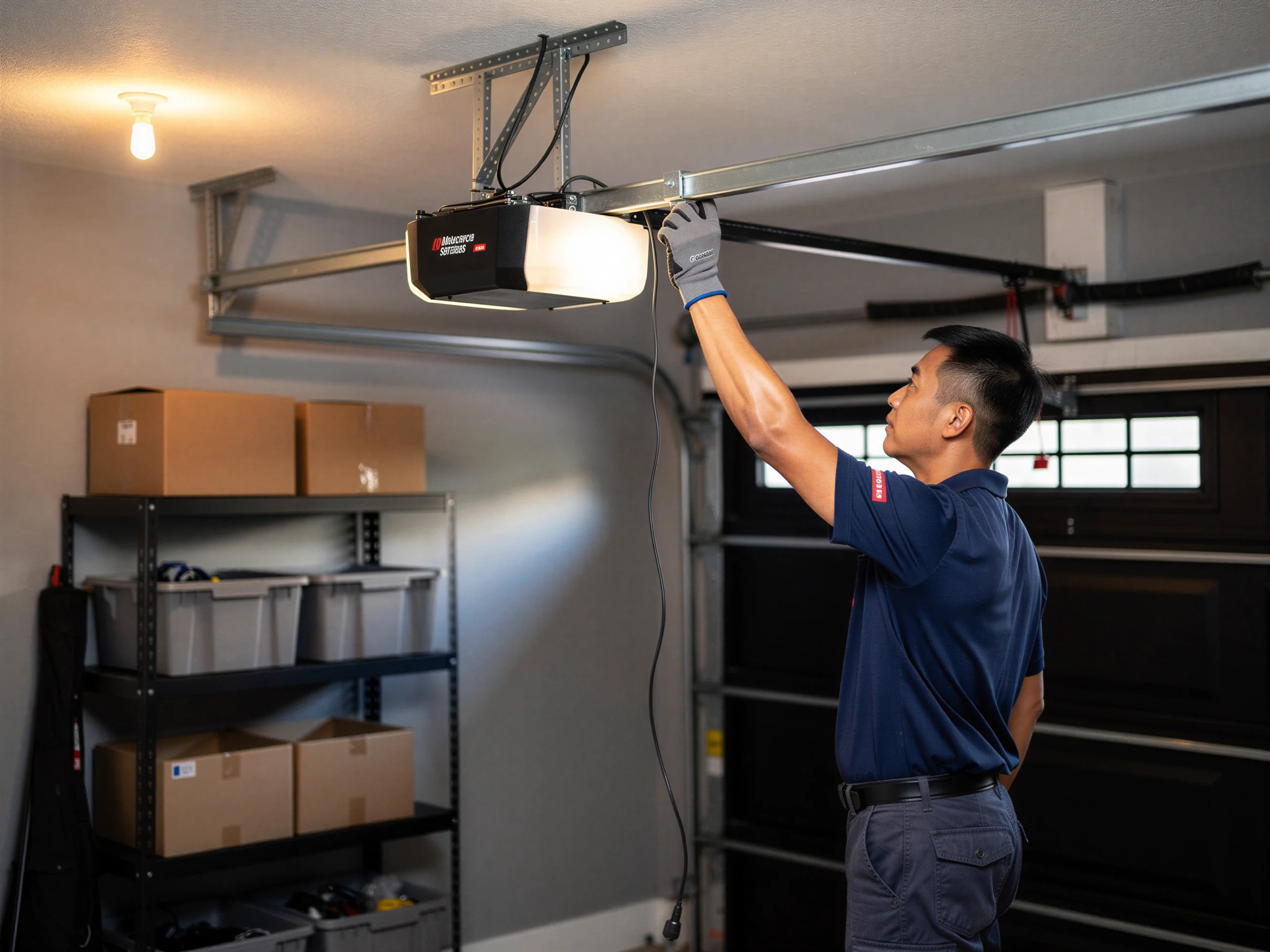
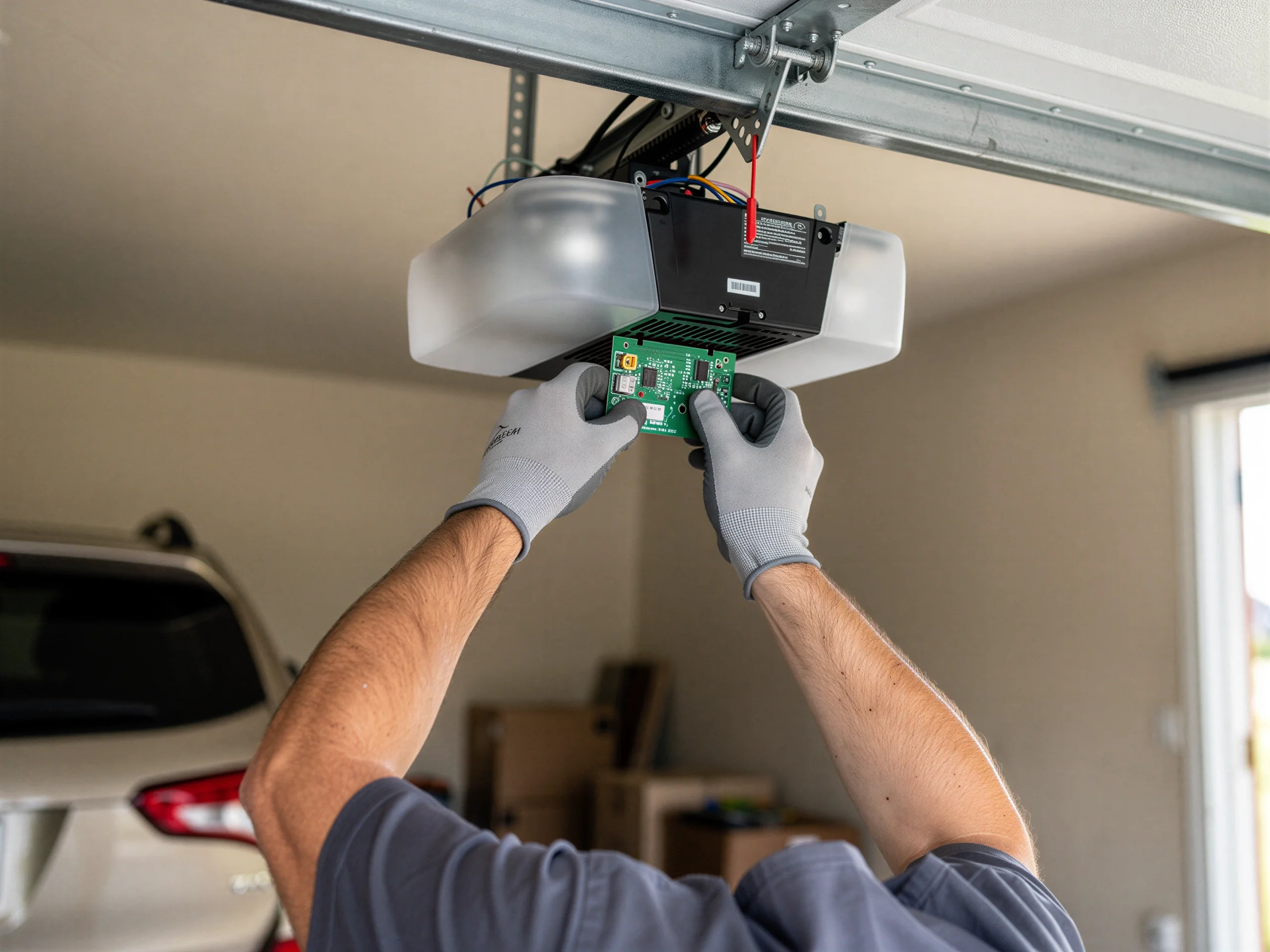
The common calls we see from areas built this era: a snapped spring, a cable that's frayed through at the drum, or an opener logic board that's cooked from heat sitting in an unventilated garage. None of that is about bad luck - it's about hardware that's now 30-plus years old doing a job it was only built to do for maybe half that long.
What the Fix Involves
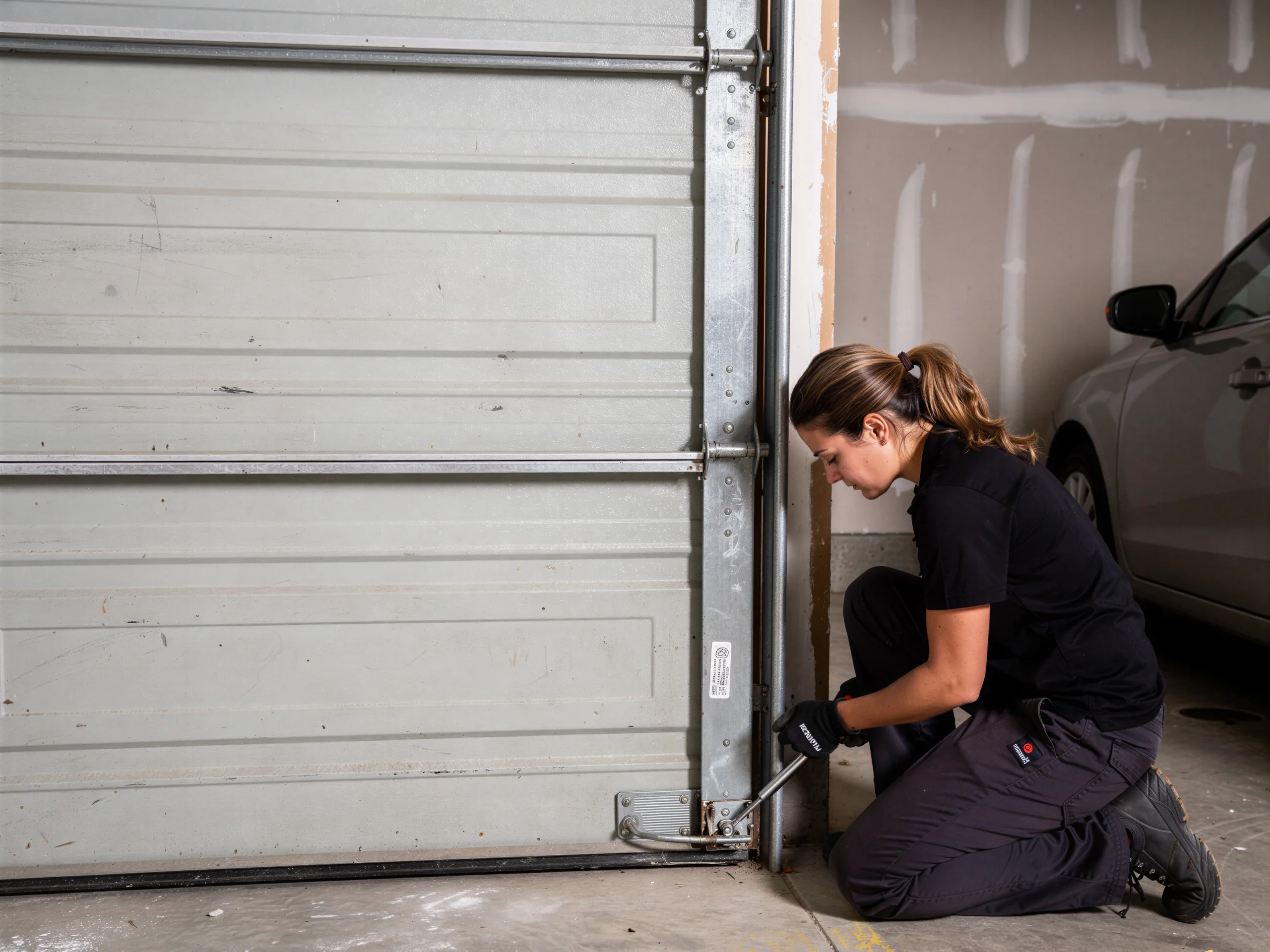
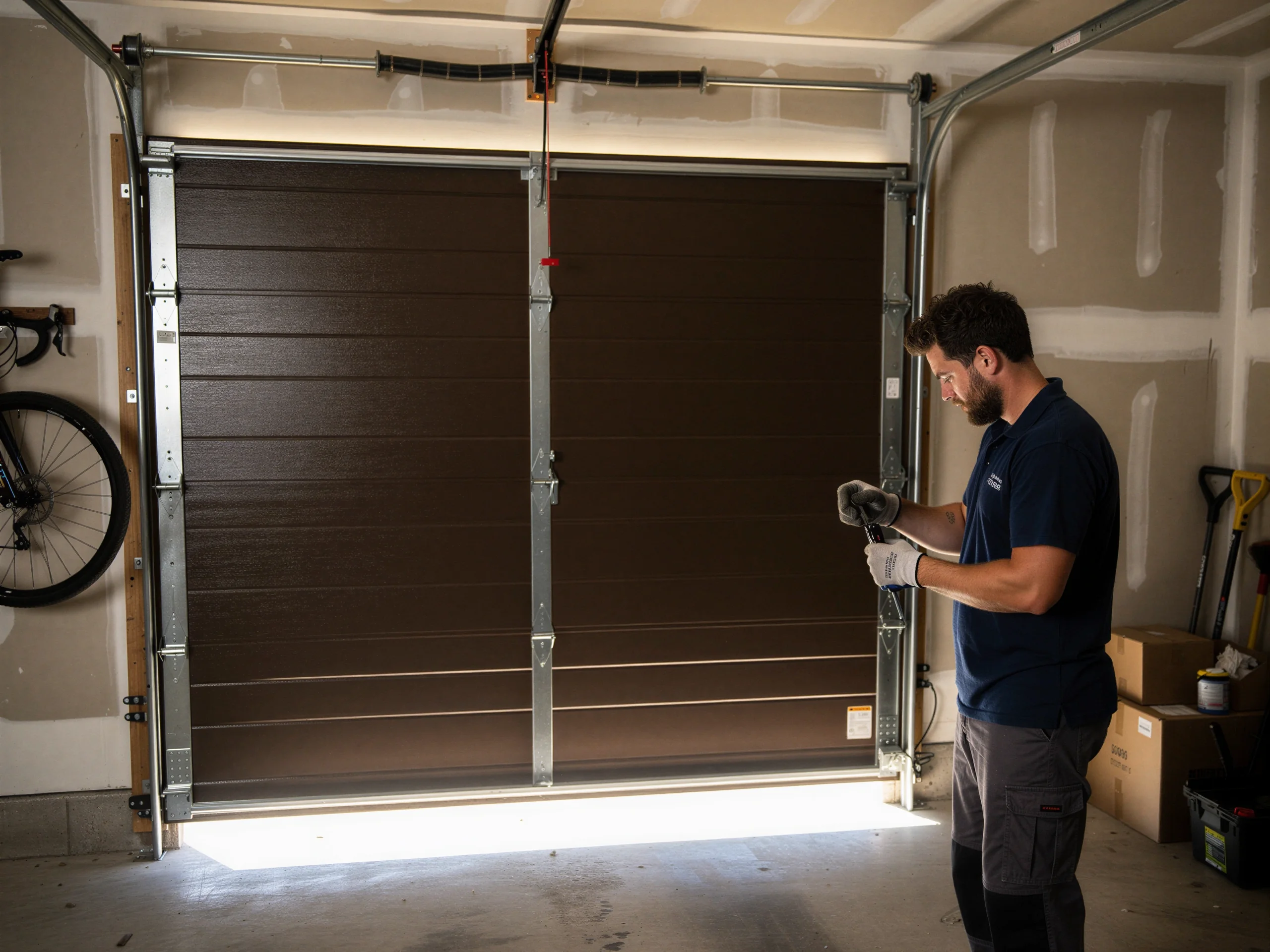
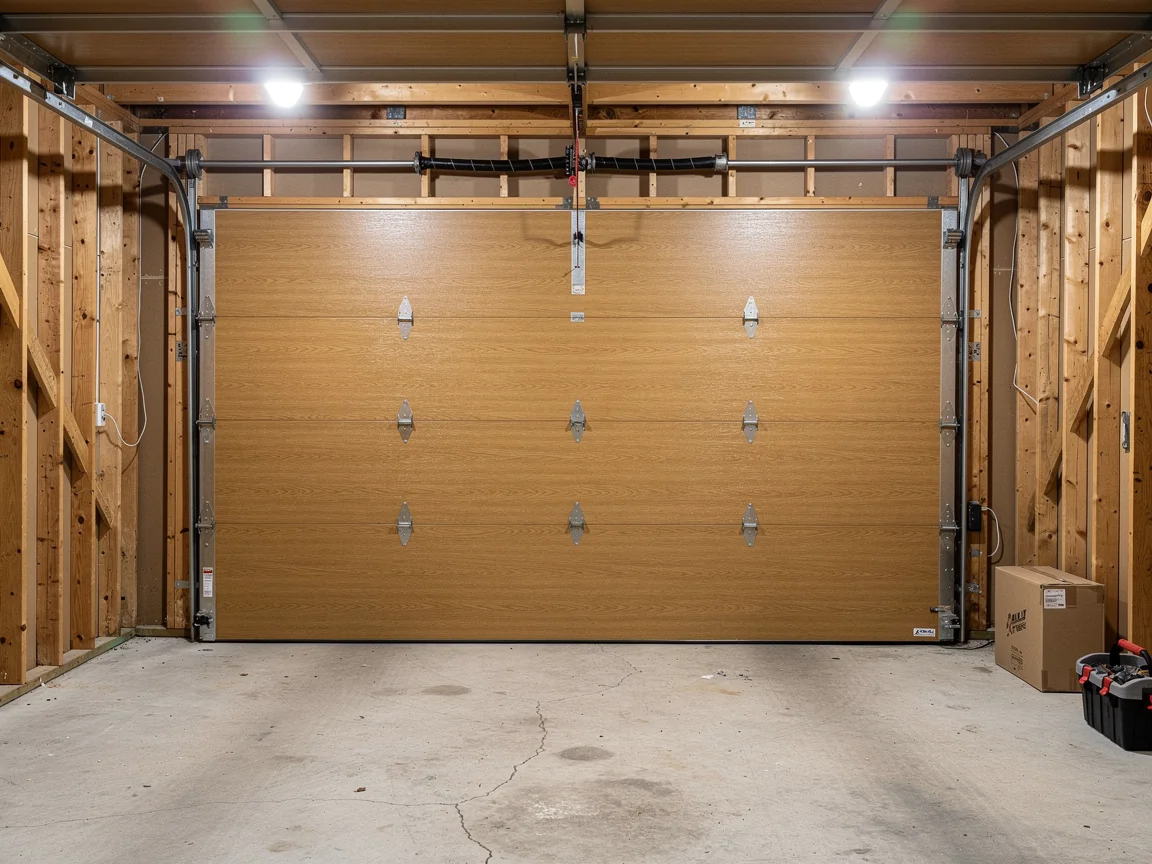
A broken torsion spring on a door this age usually means replacing both springs even if only one let go - the other is on the same clock and close behind. If the drums or cables show wear, those get swapped at the same time rather than left for a second trip. Openers from the original build cycle are past the point where parts are worth sourcing; past a certain age we're honest that replacement costs less than chasing a dying circuit board. Track alignment gets checked too, since heat-cycled steel can bow slightly over three decades and throw rollers off their rail even with a good spring. We size springs and cables to the actual door weight and track type we find on site, not a generic match, since builder-grade doors from this era vary more than people expect across the five main housing pockets in the Casa Grande service area.
What Is on the Truck
Because this is a 12-mile run out from Casa Grande, the truck carries a spring inventory built for the ages of door most common across the area - meaning torsion springs sized for the 1980s-through-2001 stock that makes up most of what's out here, plus standard cable, drum, and roller stock.
Discontinued parts need ordering
What we don't carry is a shelf of obsolete, single-source parts for doors long discontinued; if a Sacaton door needs something that specific, that's a parts-order job, not a same-visit one, and we'll say so rather than guess.
Common parts on hand
For the common failures - spring, cable, roller, opener logic board - the truck's stocked to finish the job on the first stop.
Getting It Booked In
Sacaton is a 12-mile call from our Casa Grande base, and we treat it the same as any job in the service area - same spring stock, same diagnostic approach, no separate pricing tier for the distance. Tell us the door's age if you know it, whether the opener still runs, and whether the door is stuck open, stuck shut, or off the track entirely; that tells us what's riding on the truck before we leave. See more on how we cover this area on our Sacaton coverage page, or check the full rundown of repair work on the Casa Grande emergency repair page.
Talk to a local pro
Garage door service in Casa Grande?
Same-day service with honest, upfront quotes.