What Can Go Wrong
Sacaton's houses mostly date to around 1993, right in the middle of the 1960-2001 building wave that shaped this whole service area. Openers from that era, or the first replacement units installed in the 2000s, are chain-drive models built for standard duty, not for the severe heat this part of Arizona sees every summer.
Heat ages drive components
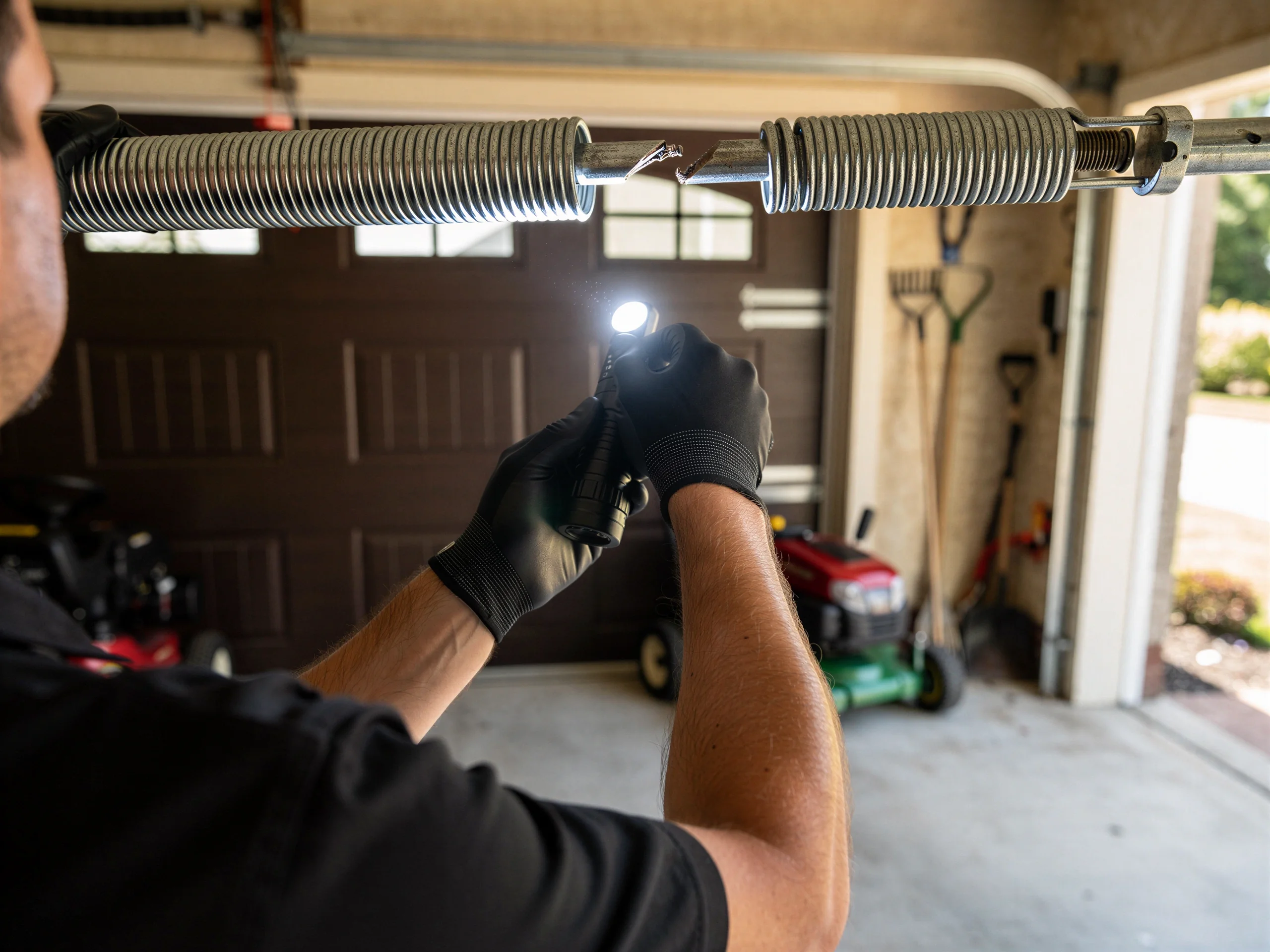
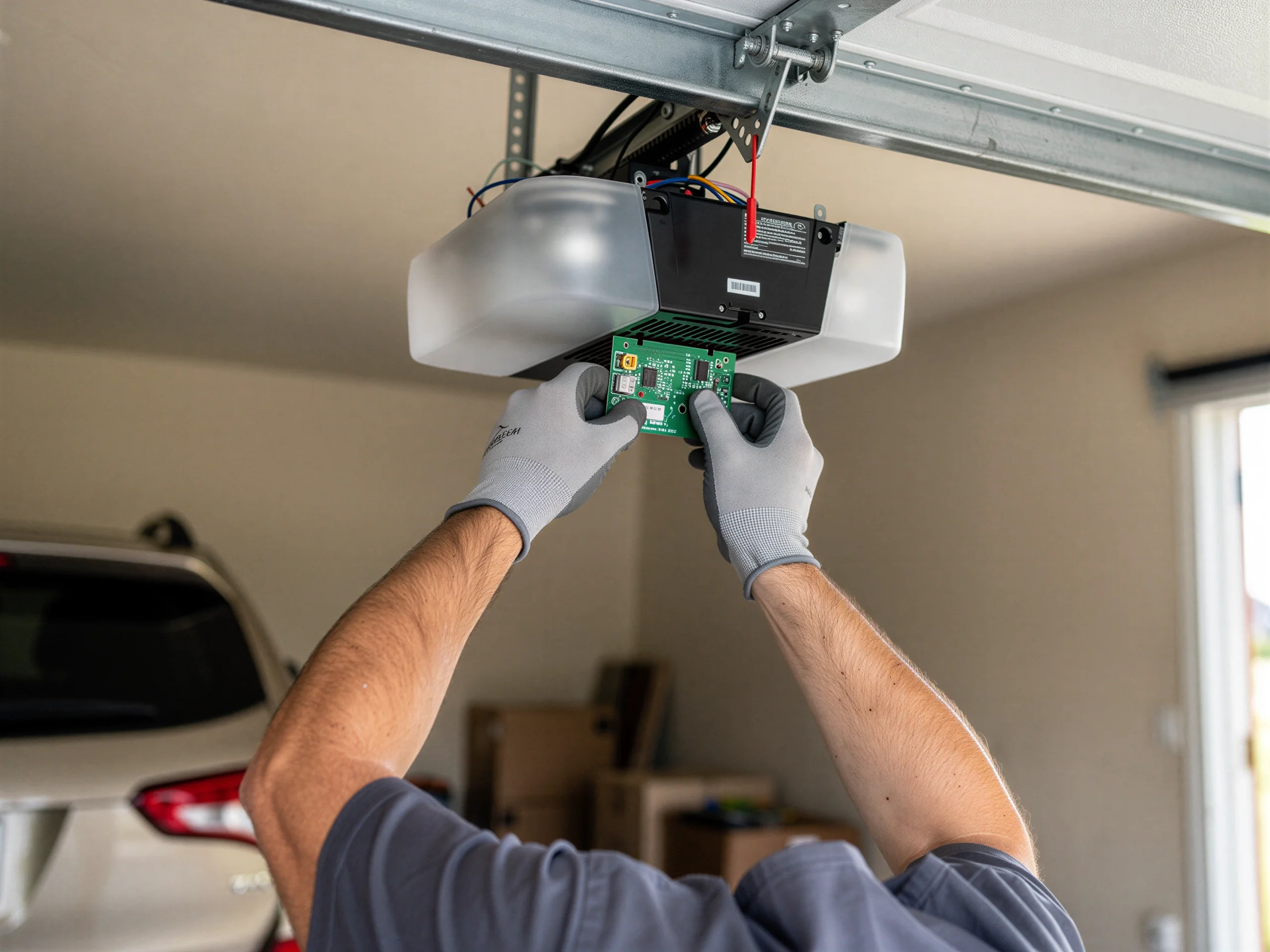
Heat breaks down the lubricant in the drive gear, warps plastic sprockets, and cooks capacitors in the logic board faster than the owner's manual ever planned for. By year fifteen or twenty, you're looking at a motor that hums but won't lift, a remote that only works from six inches away, or a unit that opens fine at 6am and quits by 2pm when the garage hits its peak temperature.
Not a local defect
None of that is a Sacaton-specific defect - it's what severe heat does to any opener running past its expected life in a structure built in the 1990s. The fix usually isn't a quick capacitor swap.
New heat-rated opener cheaper
On units this old, replacement parts are getting hard to source, and a new opener with a heat-rated circuit board often costs less than chasing down a board for a twenty-year-old chain drive.
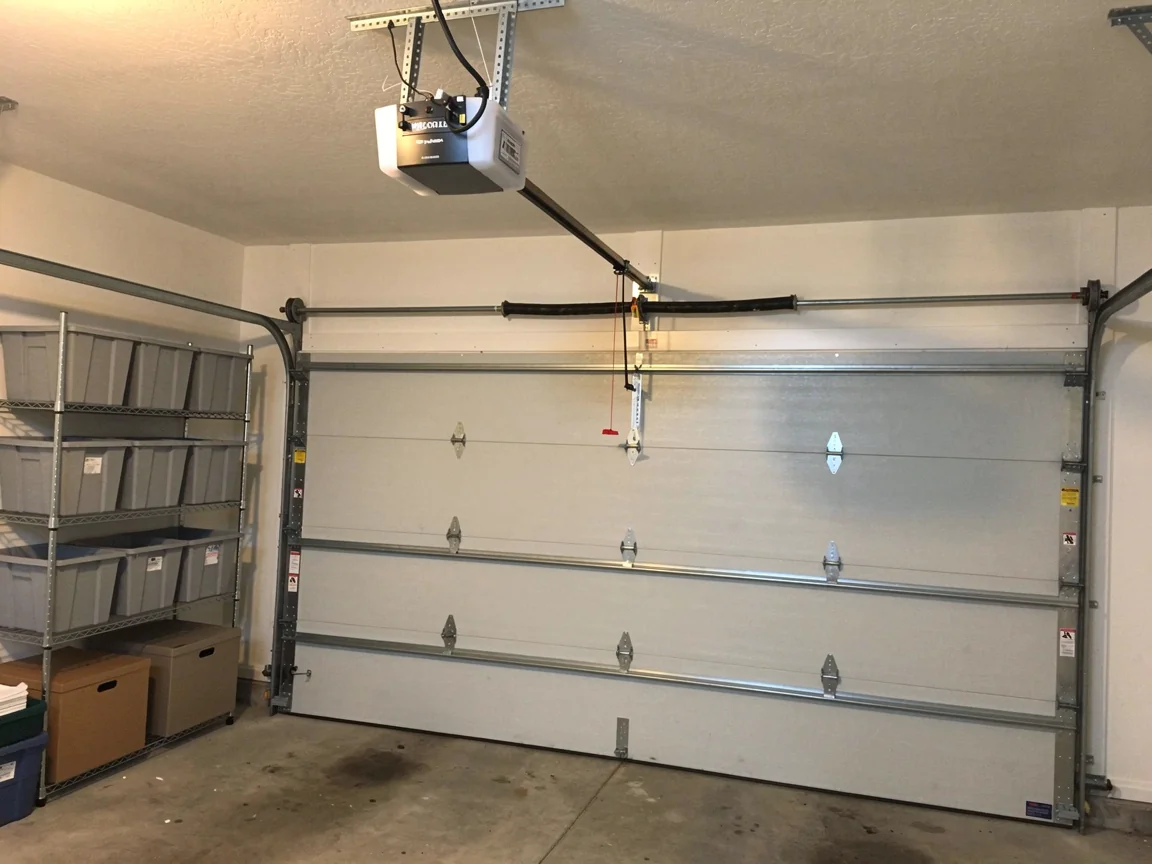
What the Fix Involves
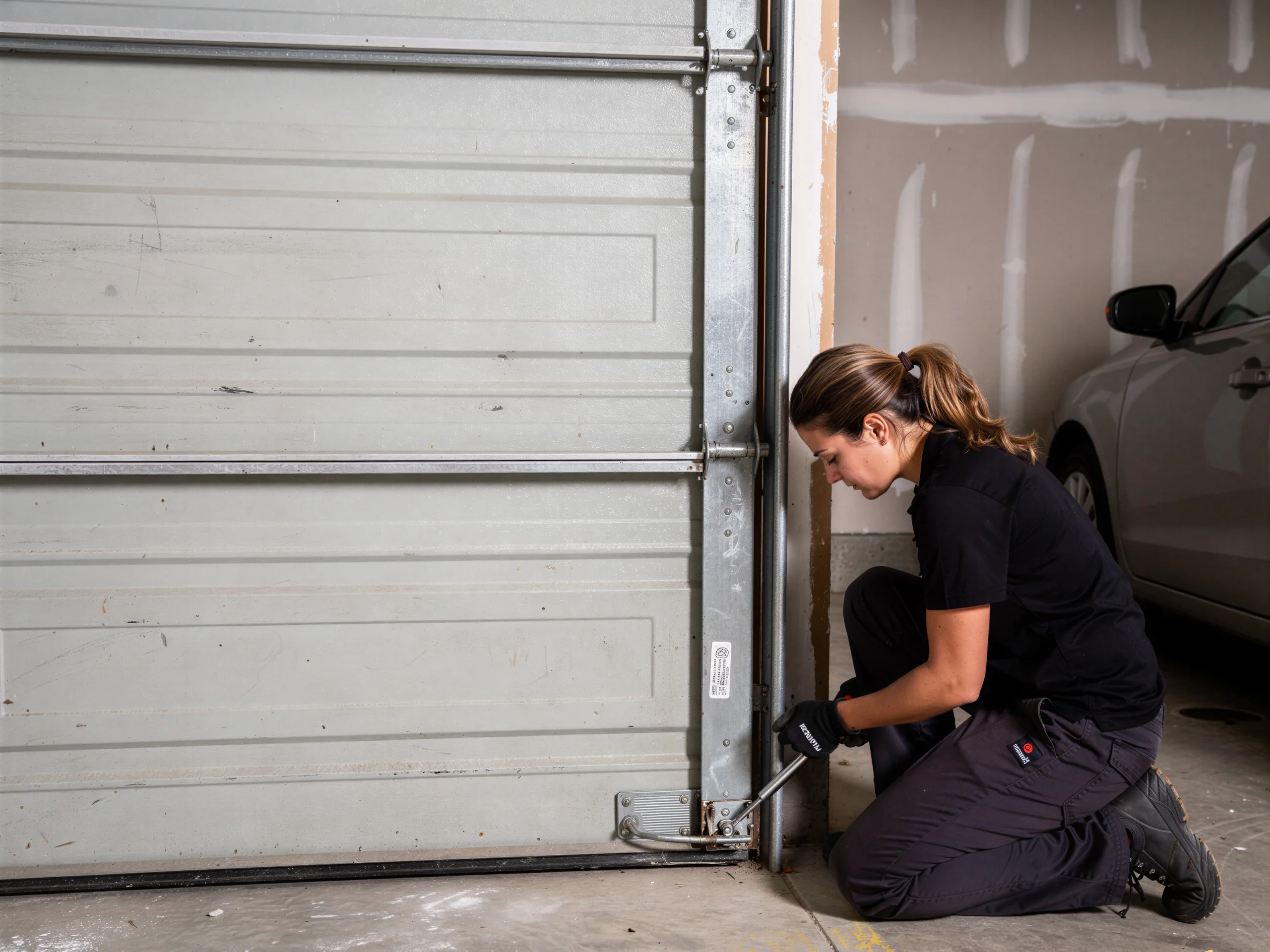
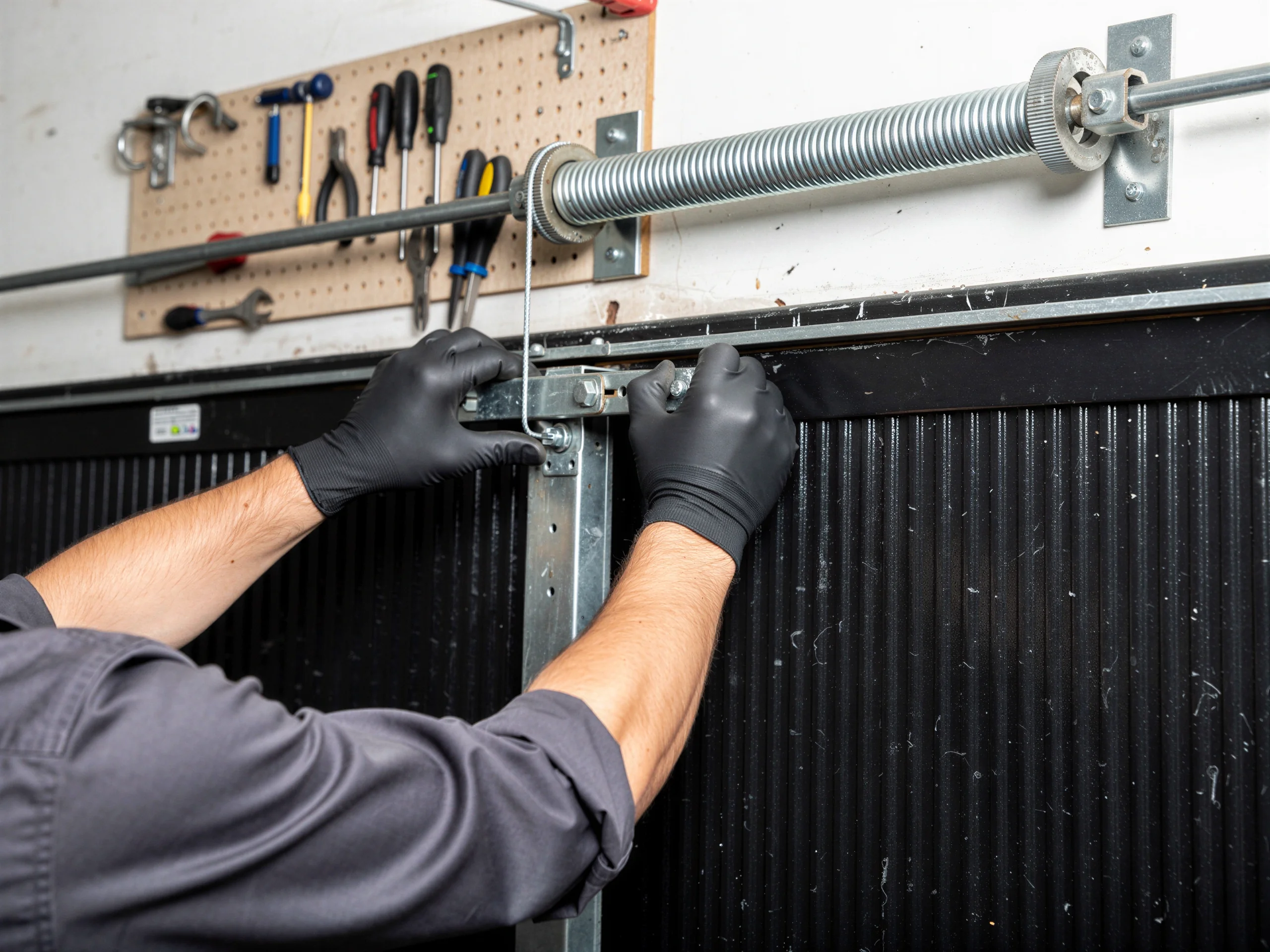
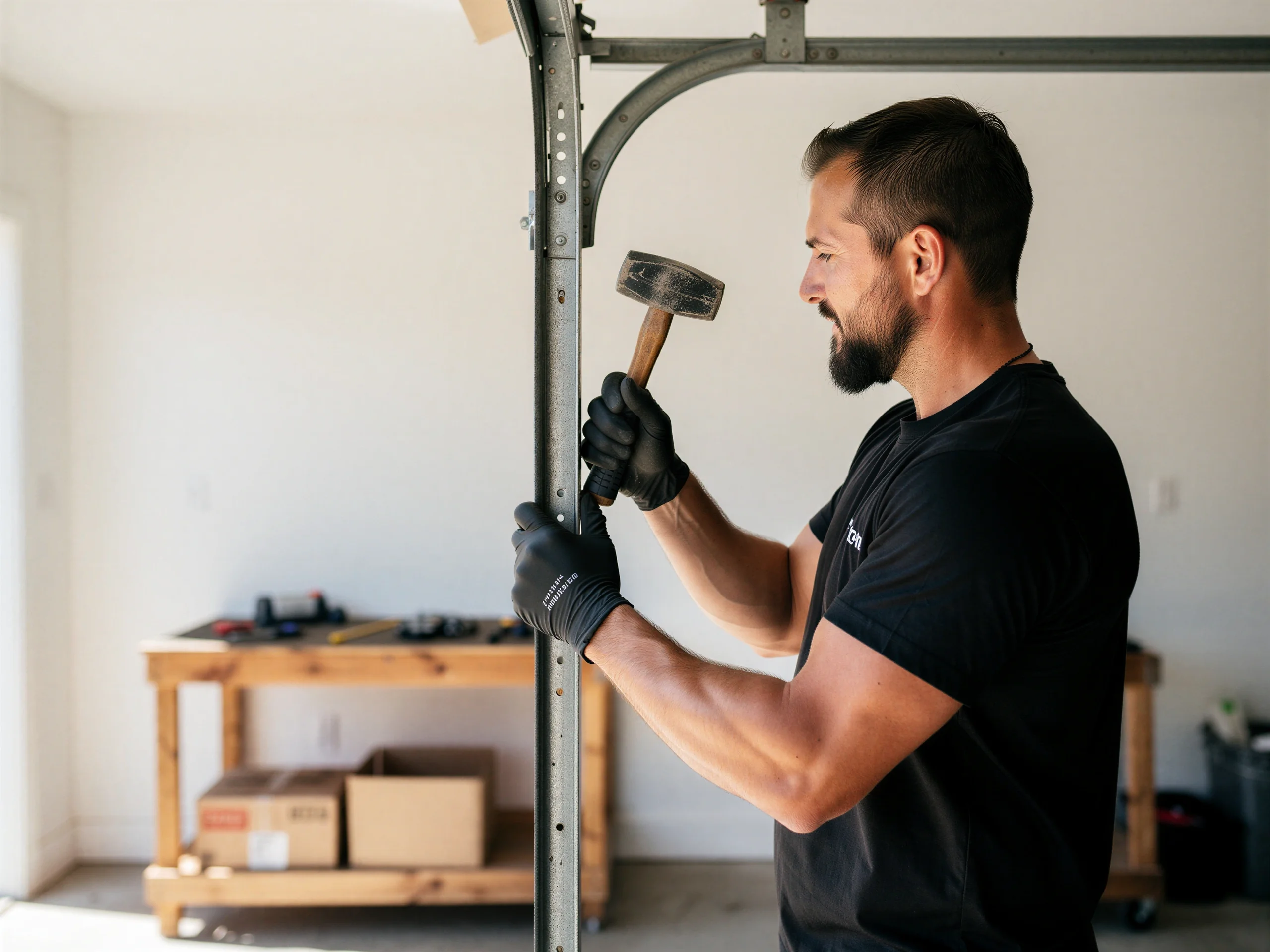
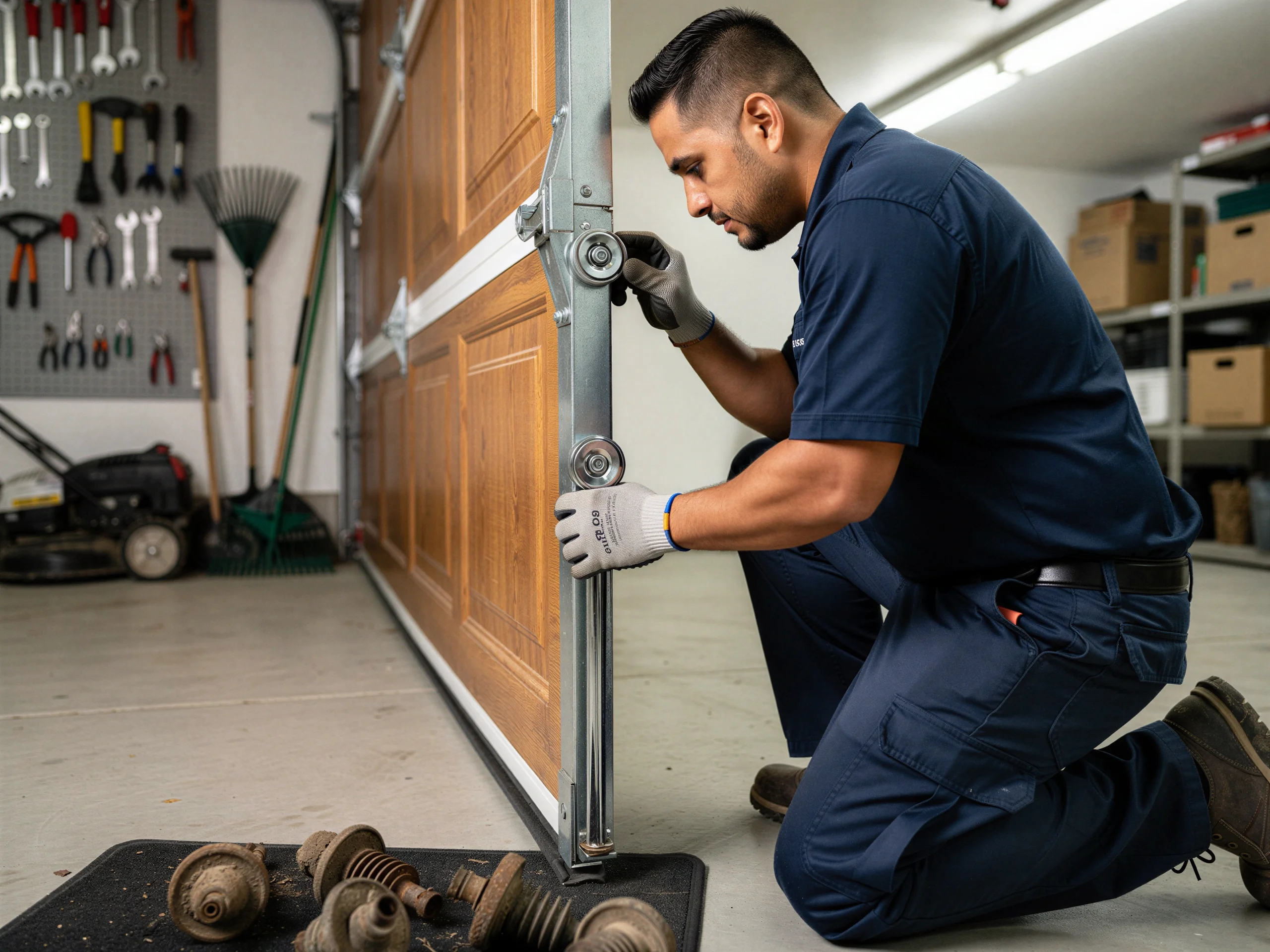
We pull the old unit, check the header bracket and the track for rust or sag - not uncommon on houses built in the early '90s with the original wood jamb hardware - and confirm the door itself is balanced before we hang a new opener on it.
Door balance before motor
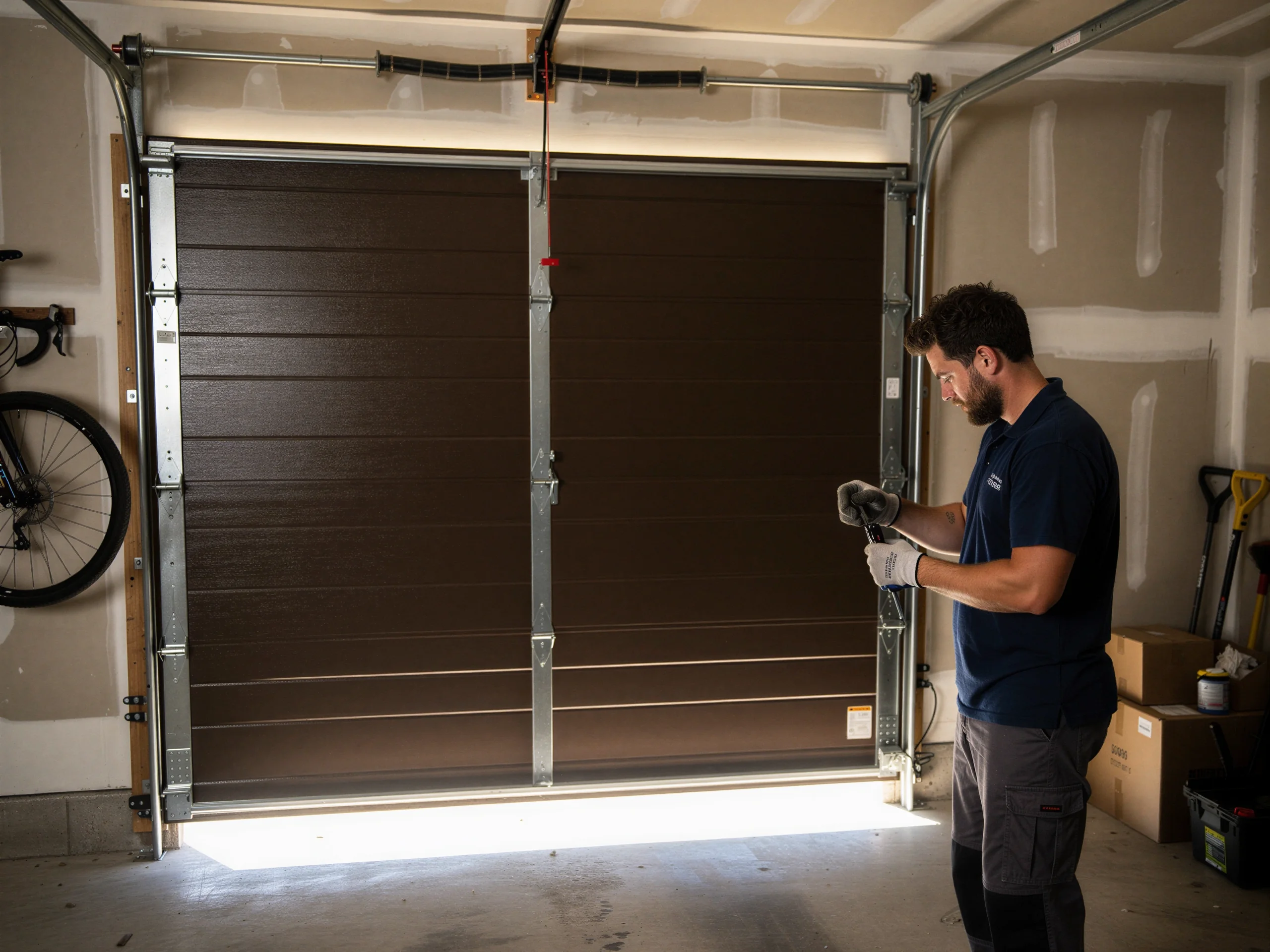
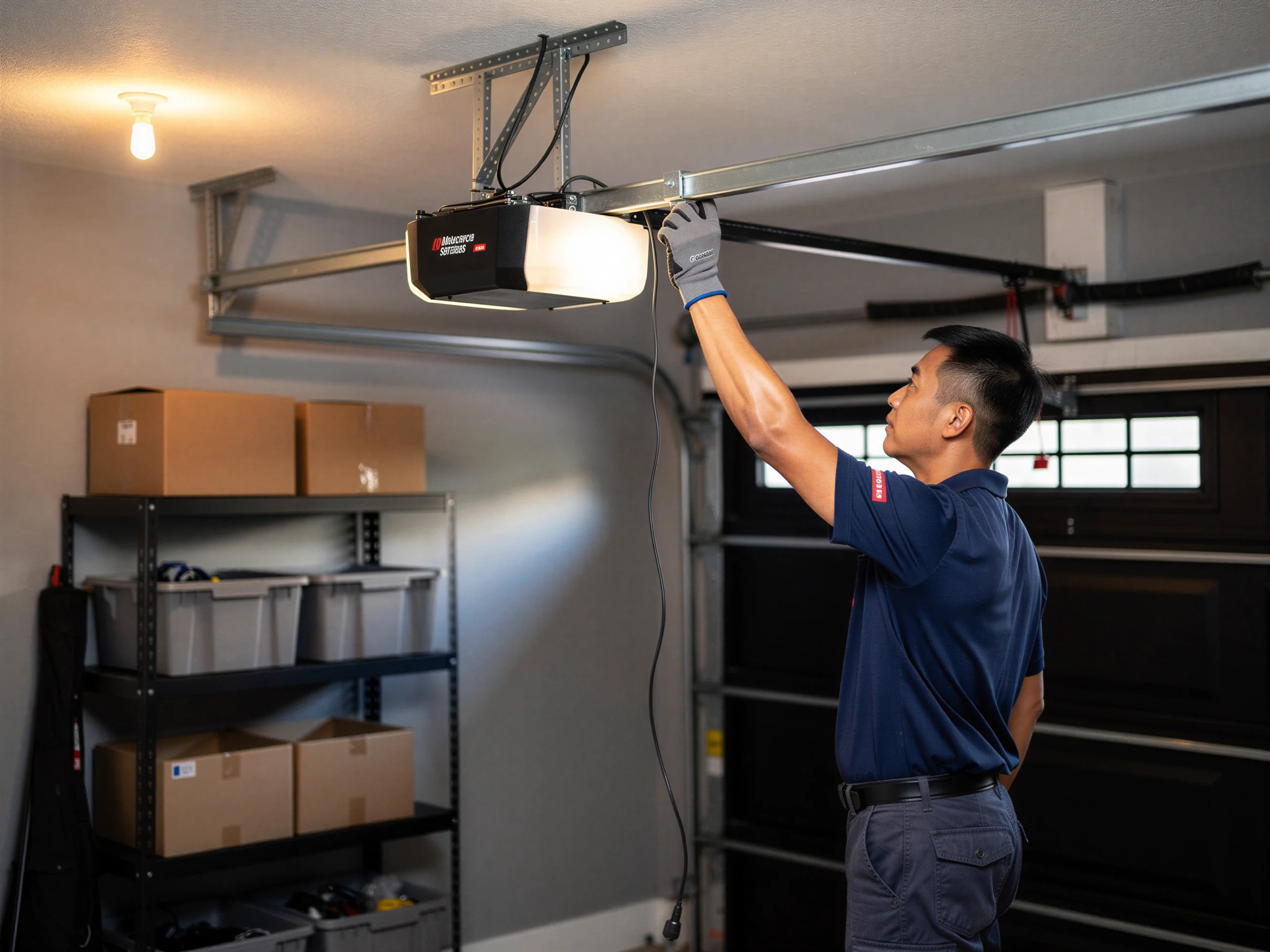
A door that's heavy on one side will burn out a new motor just as fast as it burned out the old one, so that gets fixed first, not after. We set the travel limits, wire in the safety sensors at the height code calls for, and program the remotes and keypad before we leave.
Flag original wiring
If the existing wall wiring is original to the house, we'll flag it rather than assume it's safe to reuse - that's a judgment call made on site, not over the phone.
Load-test before sign-off
We also test the unit under load a few times before calling the job done, since a motor that performs fine once can still stall on the second or third cycle if something's off with the drive chain tension.
What Is on the Truck
We stock a range of openers suited to the heat this area runs through, along with the mounting hardware, safety sensor brackets, and standard rail lengths most residential doors need. What we don't carry is every obsolete chain-drive part for units made before the mid-2000s - if your opener is that old and a specific gear or circuit board is discontinued, we'll tell you straight rather than order a part that takes three weeks to land and still might not fit. In that case, replacement is usually the faster and cheaper call anyway. We travel to Sacaton from Casa Grande, about 12 miles out, same as the run to Stanfield or Arizona City, so the truck carries enough stock to handle a standard installation in one visit without a second trip back for a missing bracket.
Getting It Booked In
Since we're coming from Casa Grande, Sacaton jobs get scheduled on the route rather than dispatched on demand, so it helps to know roughly what's wrong before we head out - a dead motor and a dead remote need different parts on the truck. With around 706 households in the area, this isn't a town where we're driving past daily, so booking ahead means we bring the right opener model the first time instead of guessing. Tell us the age of the house if you know it and whether the door has ever been serviced; that alone narrows down whether we're dealing with original hardware or a prior replacement.
Talk to a local pro
Garage door service in Casa Grande?
Same-day service with honest, upfront quotes.