What Can Go Wrong
Casa Grande's housing stock runs 1960 to 2001 with a median closer to 1998, but Sacaton's own median build year sits at 1993 - a handful of years earlier, which matters more than it sounds.
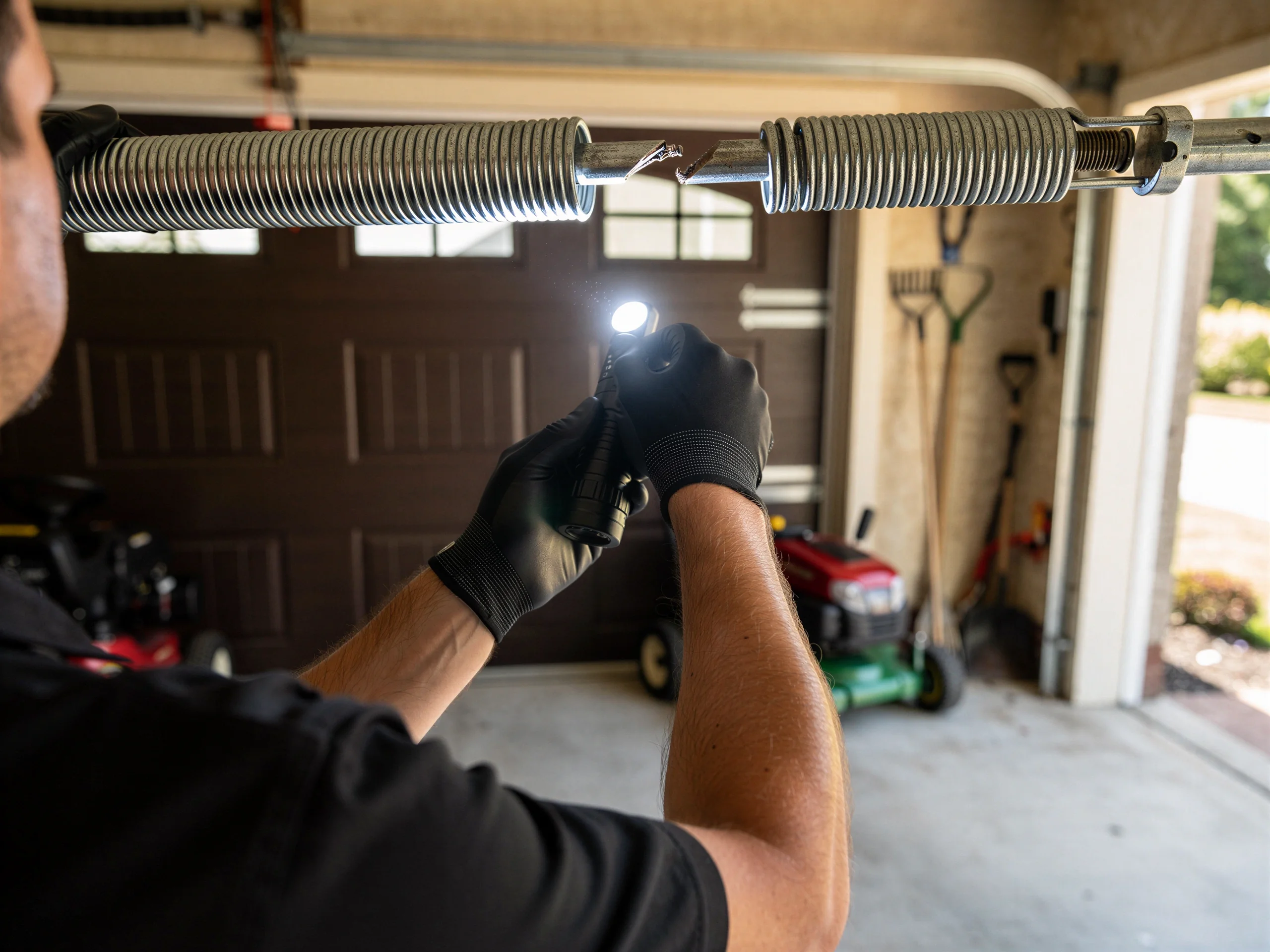
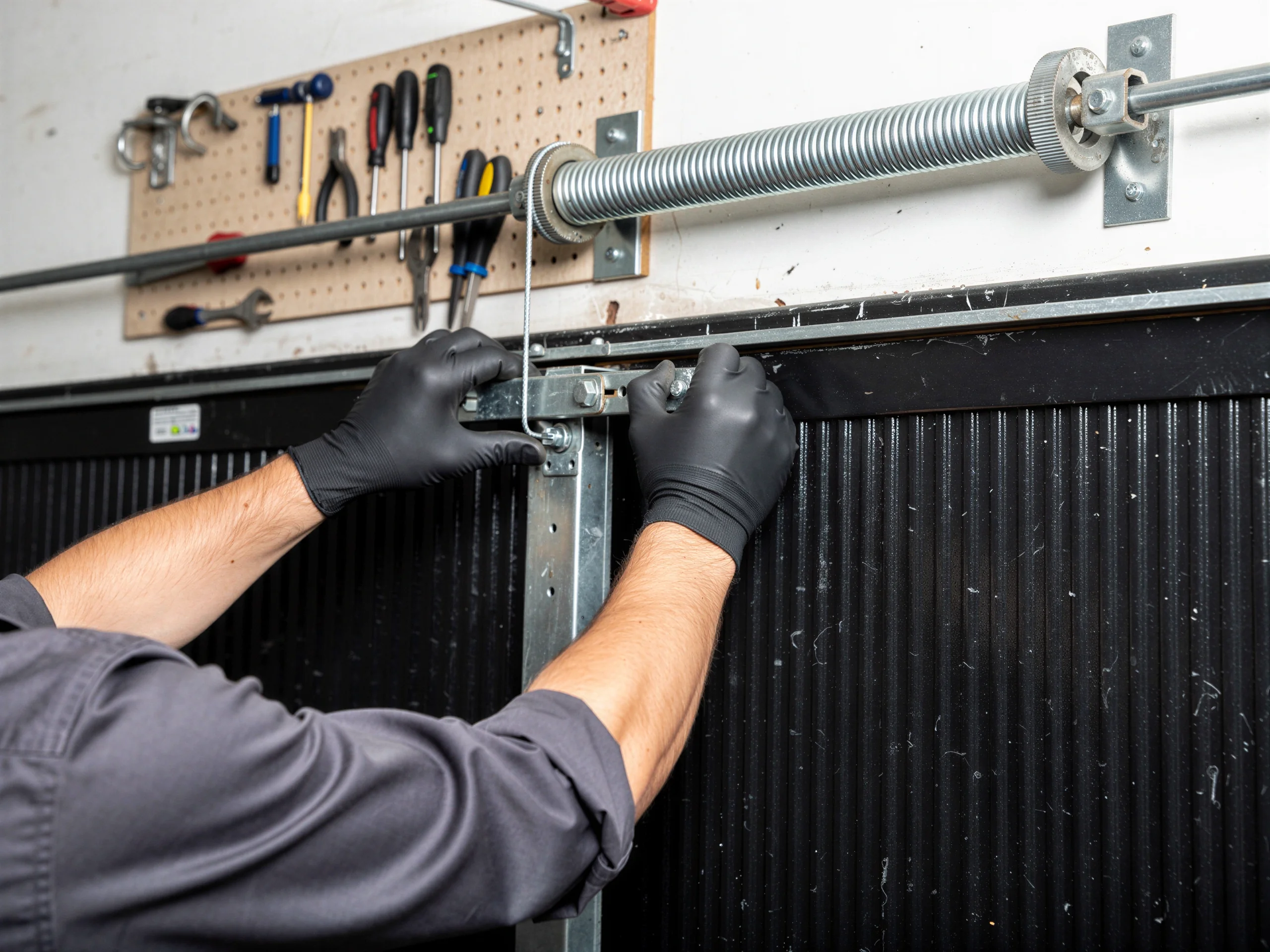
Extension springs on some
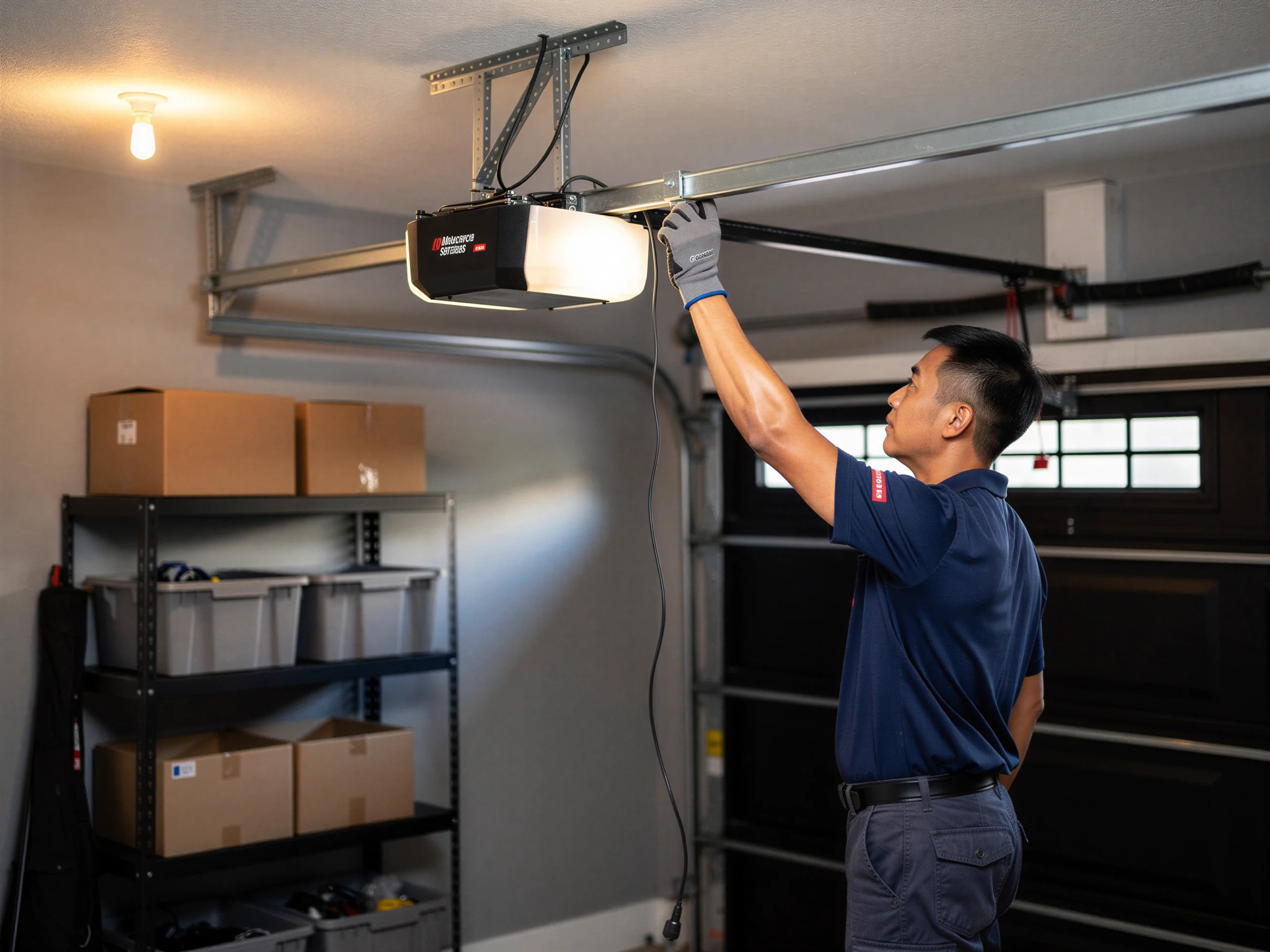
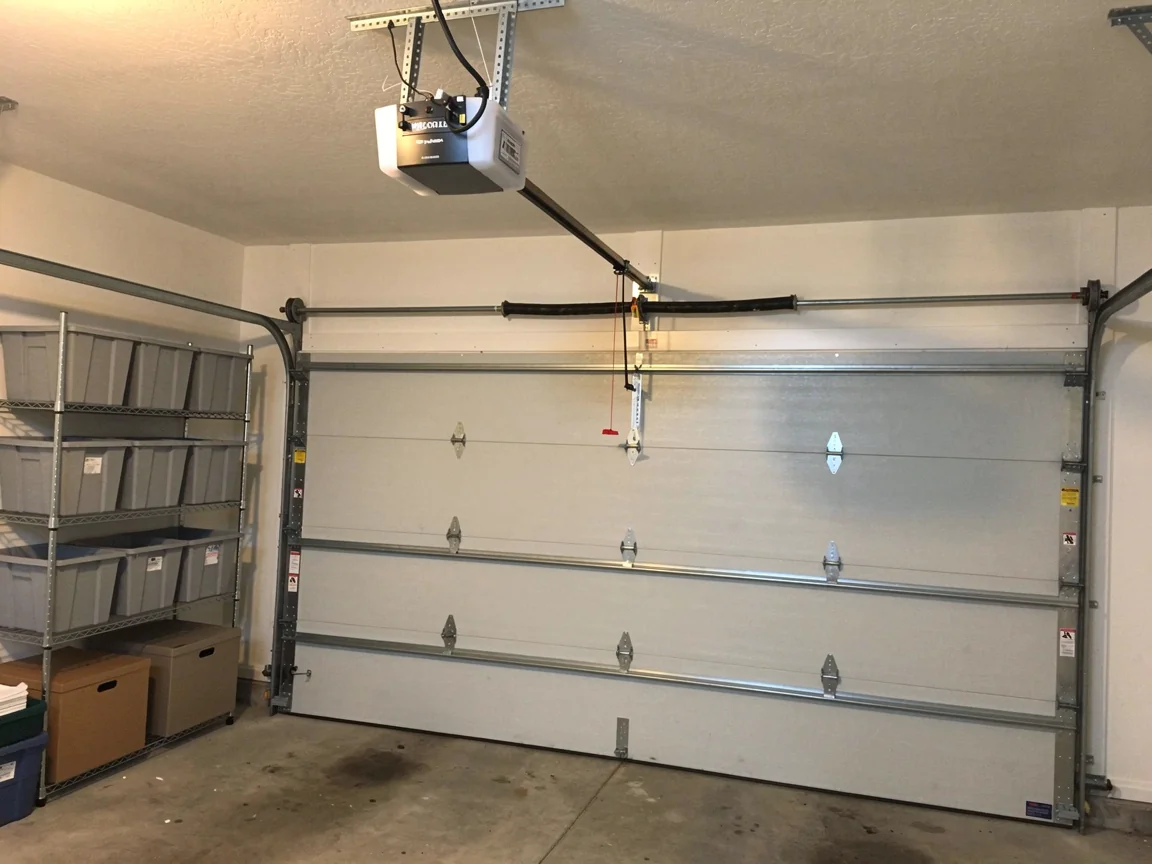
Doors and openers installed in the early 90s are one generation behind what you'll find on newer streets closer to the city center: heavier steel panels, older extension-spring setups on some builds instead of torsion, and chain-drive openers that are now pushing three decades of use if they haven't been swapped out.
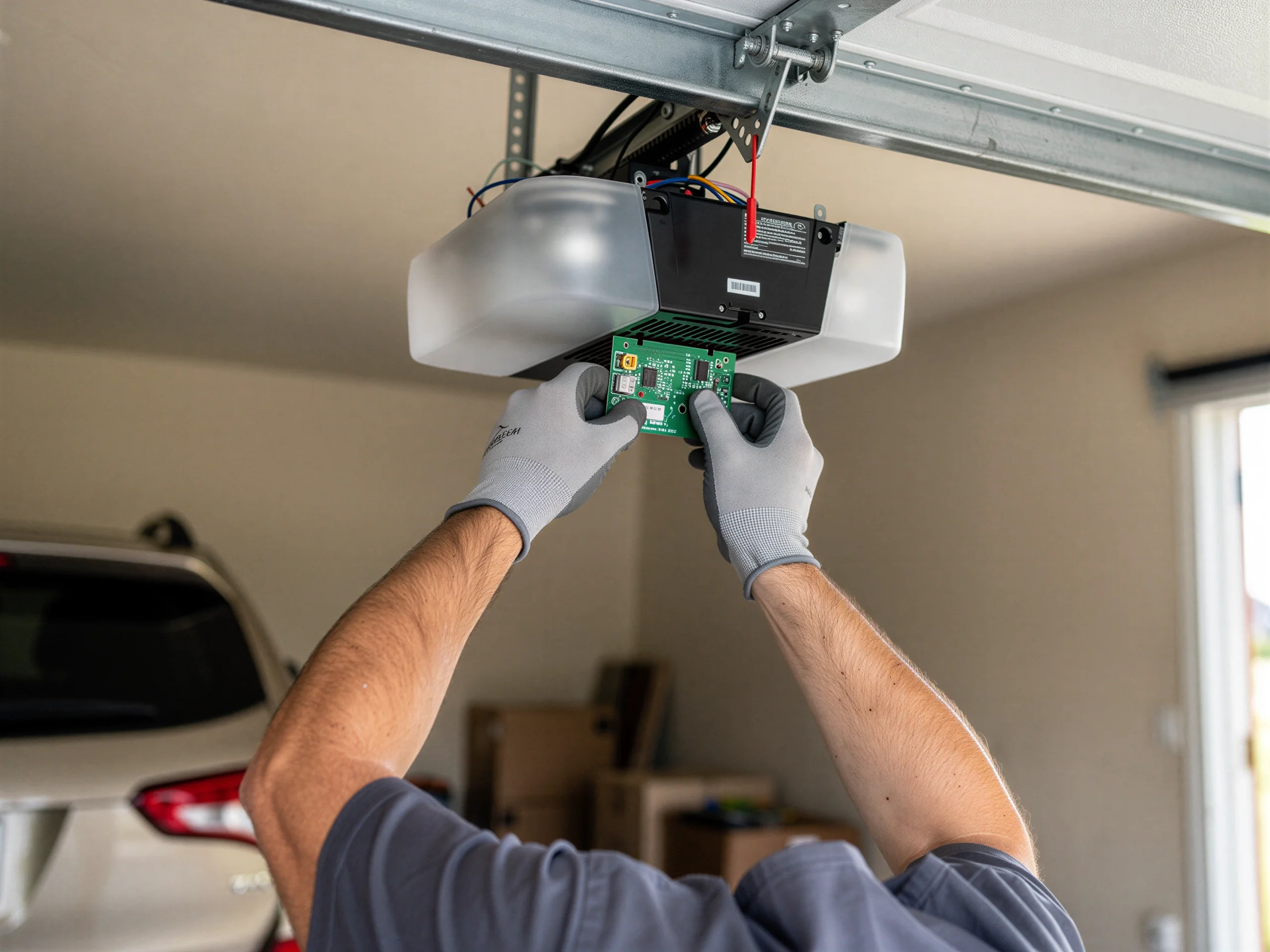
Intermittent board failures
With 706 households in the area, that's a meaningful share of doors reaching the point where springs fatigue and openers' circuit boards start failing intermittently rather than all at once. The severe summer heat here doesn't help - repeated expansion and contraction on steel tracks and panel seams speeds up wear on hardware that's already old.
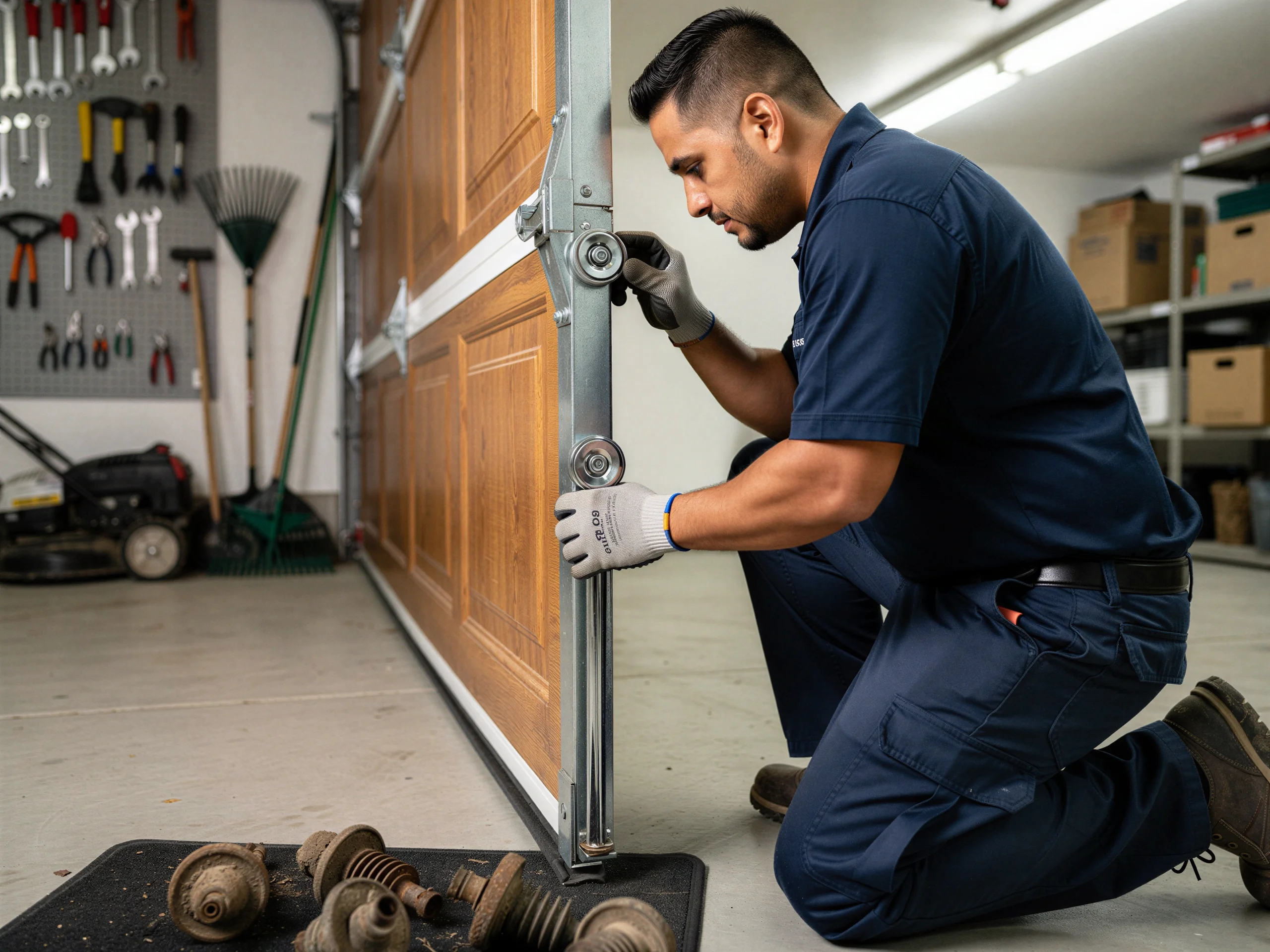
Pitted rollers and reversal
The most common calls we get from this kind of stock are snapped torsion springs, worn rollers that have gone from steel to a rough, pitted mess, and openers that reverse on their own for no clear reason. None of that is exotic. It's just what 30-year-old garage hardware does under consistent 100-plus-degree stress.
What the Fix Involves
For a door from this era, the fix usually starts with matching spring wire size and length to the original setup rather than guessing - extension springs and torsion springs aren't interchangeable, and early-90s doors show up with both depending on who installed them.
Discontinued chain-drive parts
If the opener is original to the house, parts for some older chain-drive models are discontinued, which sometimes means a full opener swap is the more honest recommendation instead of chasing a repair on a board nobody makes anymore.
Heat-bowed steel track
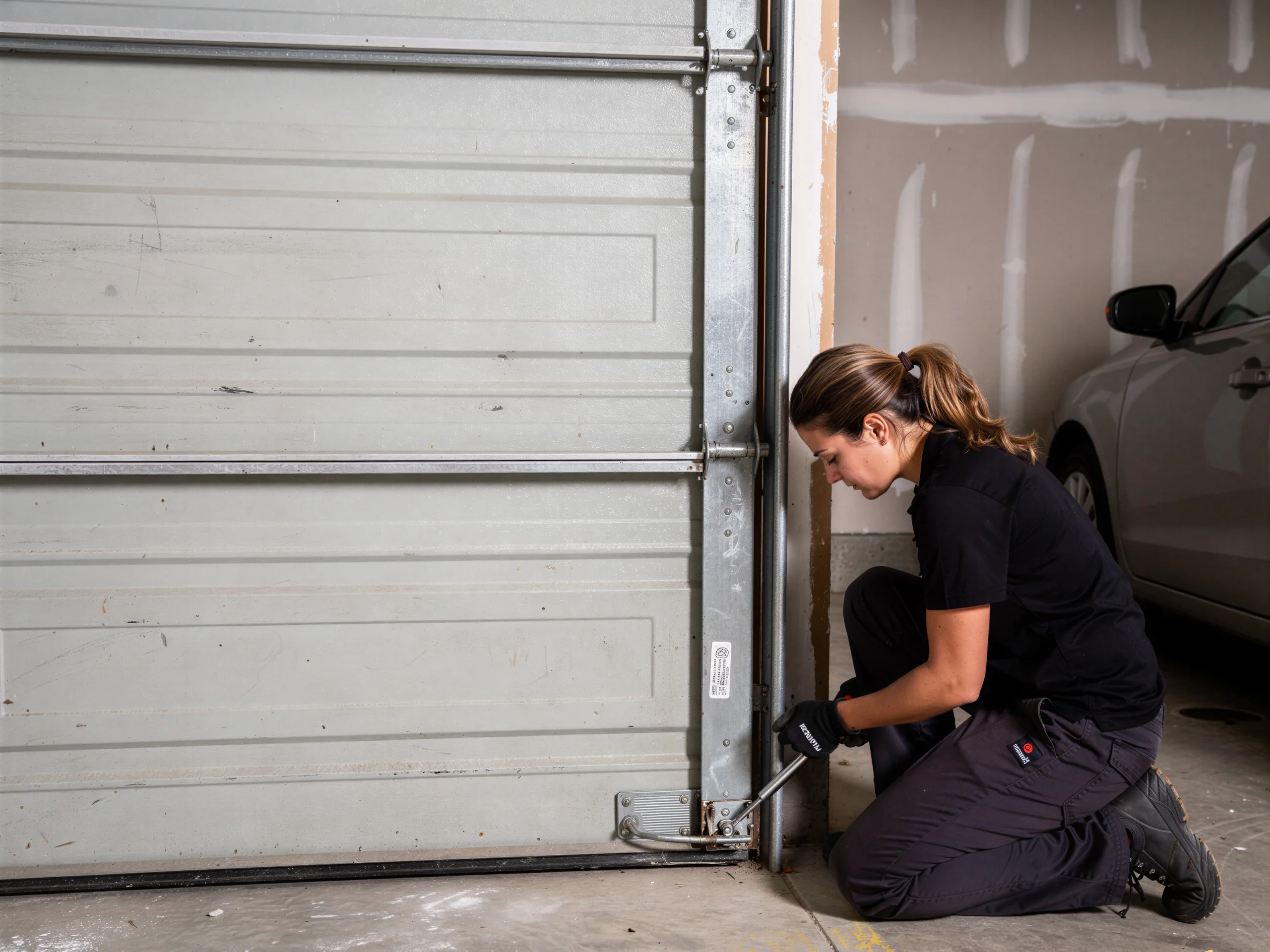
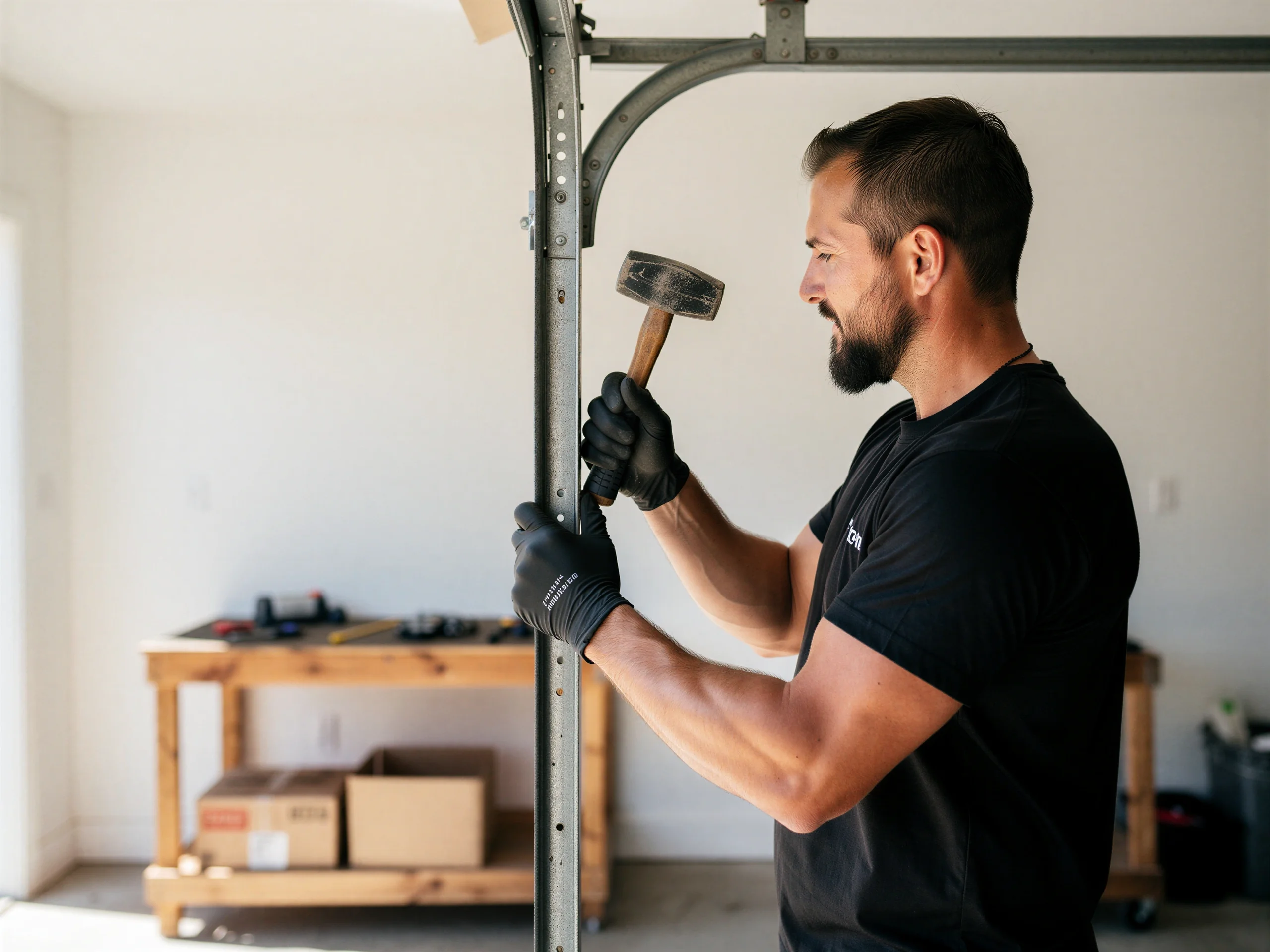
Track alignment is worth checking on any door this age, since decades of heat cycling can bow steel just enough to cause binding that looks like a spring problem but isn't.
Stop patching old openers
We don't try to force a 30-year-old opener to keep working past the point it's worth it - sometimes the repair bill gets close to a new unit, and we'll say so rather than patch it twice in the same year.
What Is on the Truck
Because Sacaton sits about 12 miles from our Casa Grande base, we stock the truck before heading out rather than making a second trip for a part. For stock from this build era, that means torsion springs in the common wire sizes used on garage doors through the 1990s, standard extension spring kits for older setups, steel and nylon rollers, and galvanized cable in the lengths that fit a typical single or double door from that period. We also carry universal opener logic boards and remote kits that cover most chain and belt-drive units still running from that era. What we don't carry is every obsolete part for every opener ever made - if a board or gear is long discontinued, we'll tell you that on site instead of promising a fix we can't deliver.
Getting It Booked In
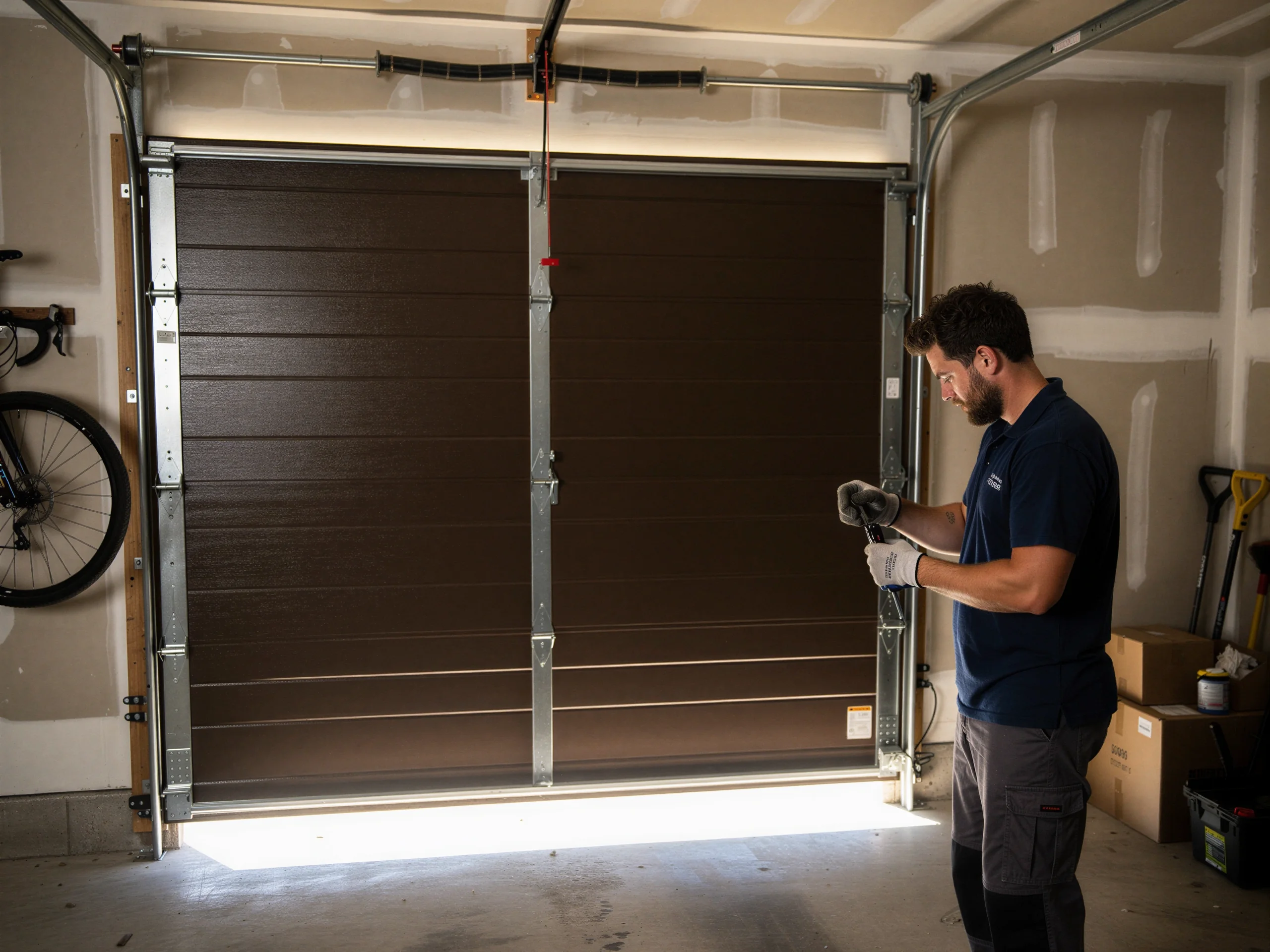
We travel out from Casa Grande for Sacaton calls, so booking ahead gives us room to load the right spring and roller stock for a door your age rather than showing up and hoping. Tell us the rough age of the door and opener when you call, or the year the house was built if you know it - most of Sacaton falls close to 1993, and that single detail tells us a lot about what's likely worn before we even see it. We'll walk the door, explain what's actually failing and why, and give you a straight answer on repair versus replacement before any work starts.
Talk to a local pro
Garage door service in Casa Grande?
Same-day service with honest, upfront quotes.