Getting It Booked In
Coolidge is a town of roughly 4,935 households, which is a fraction of the call volume we see closer to Casa Grande. That matters for how a dispatch works here: we're not driving past your street twice a day, we're sending a truck out 14 miles because your call came in.
Describe symptoms before dispatch
Tell us what the door is doing - won't open, won't close, sagging on one side, cable off the drum - before the truck leaves, so whoever answers can load the right spring size and track hardware instead of guessing. A door that's fully down and won't budge is a different job than one that's open and won't close, and we want to know which one we're driving into.
Dispatched from Casa Grande
We cover the trip out from Casa Grande for both; this isn't a call where you need to find a Coolidge-based outfit, because for a job this specific - one broken part on one door - the parts and the technician matter more than the zip code on the shop.
Sudden versus slow failure
If it's a Saturday afternoon and the spring just let go, say that. If it's been sagging for a week and finally quit, say that too. Both get fixed, but the second one usually means something else wore out at the same time.
Why This Fails Locally
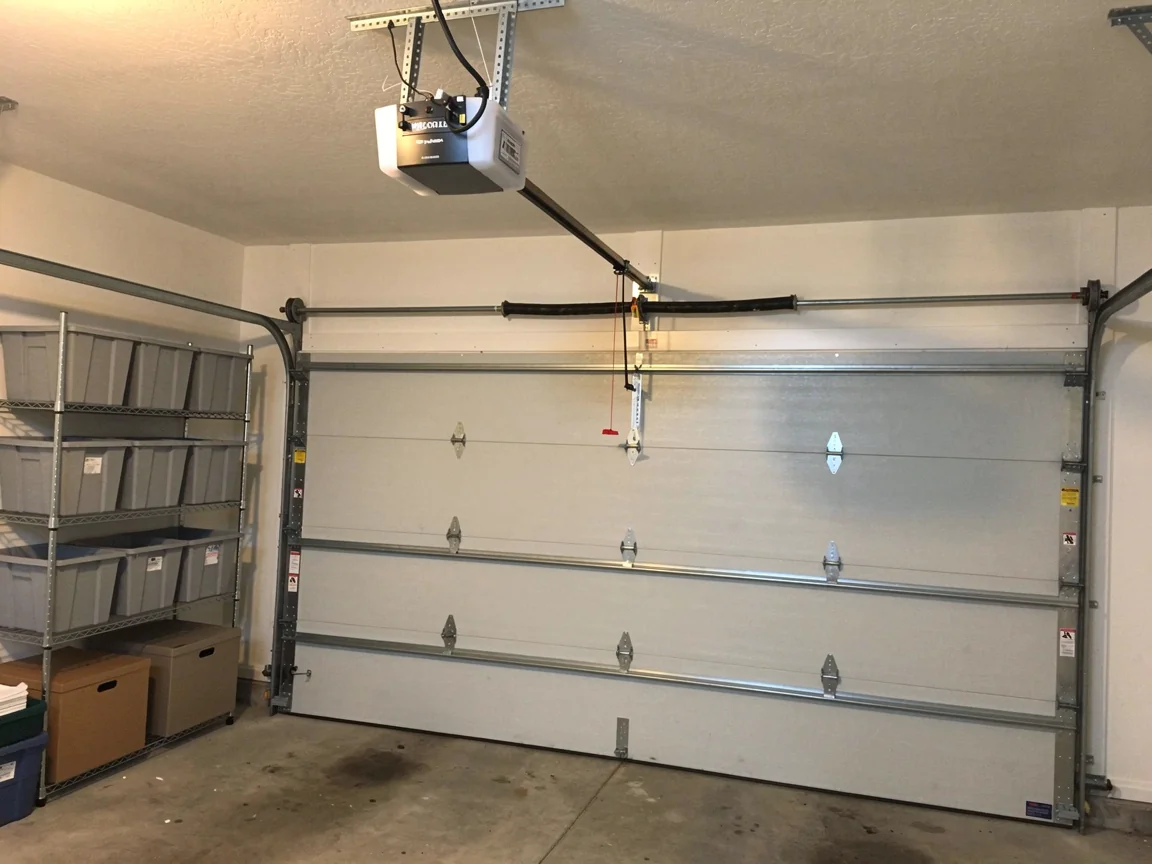
Coolidge's housing stock centers on 1999, which puts a lot of doors here on steel torsion-spring setups with openers that are now old enough to have worn-out drive gears, stripped logic boards, or safety sensors that have drifted out of alignment. That's a narrower window than Casa Grande's service area overall, where homes run from 1960 through 2001 (median 1998) and you'll find a mix of eras across the five areas we cover. Coolidge sits close to that service-area median, so the fault pattern is consistent: original torsion springs nearing or past their cycle count, and chain-drive openers from the same build run starting to slip.
The other factor is heat. This is a severe-heat climate band, and repeated summer expansion and contraction on steel springs and track bolts shortens the working life of hardware that was fine for the first decade. A spring rated for a certain number of cycles gets there faster in a hot garage that also holds a car engine's heat all afternoon. None of this is unique to any one house - it's the whole build era, cooking in the same climate, wearing the same way.
What the Fix Involves
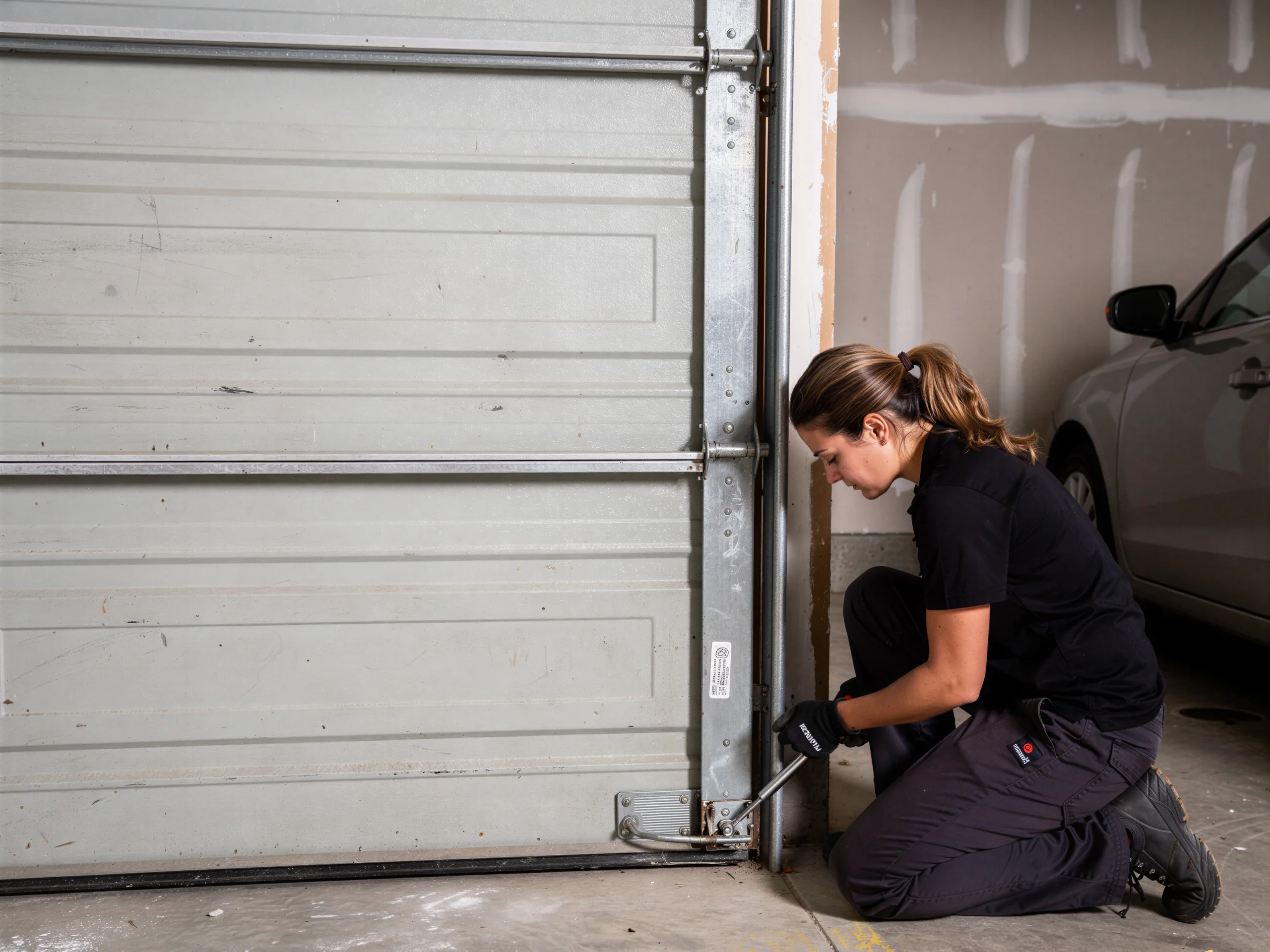
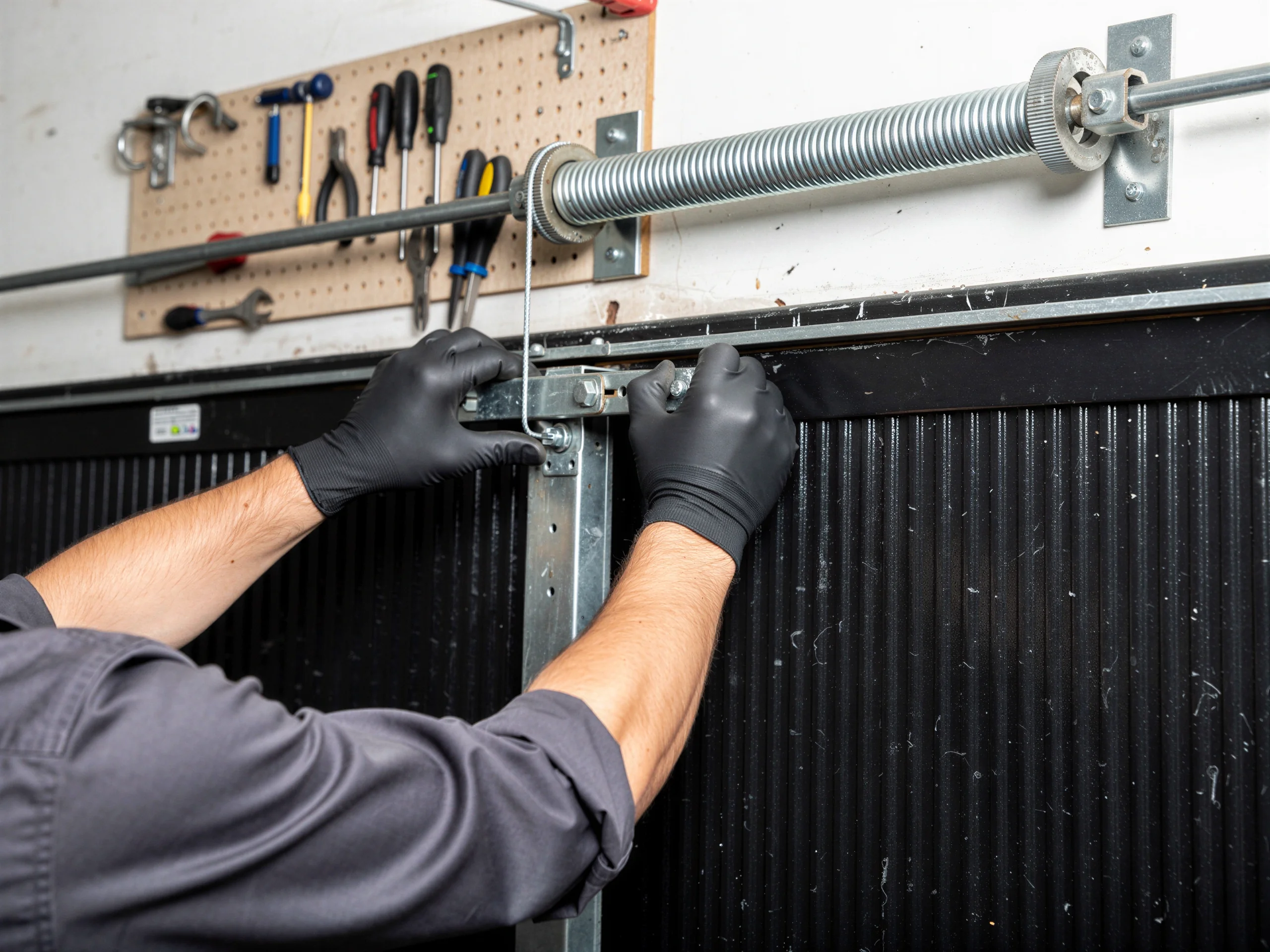
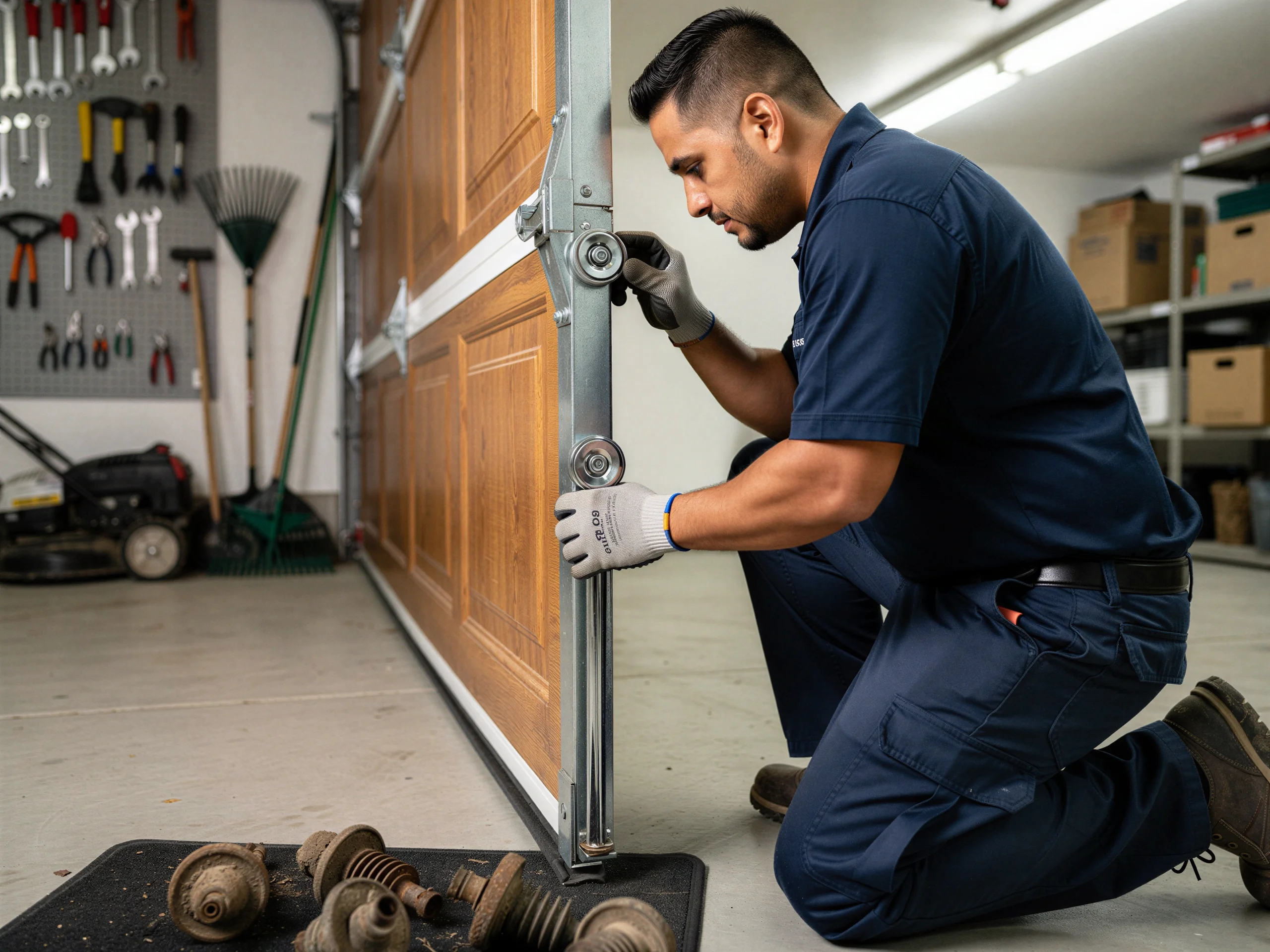
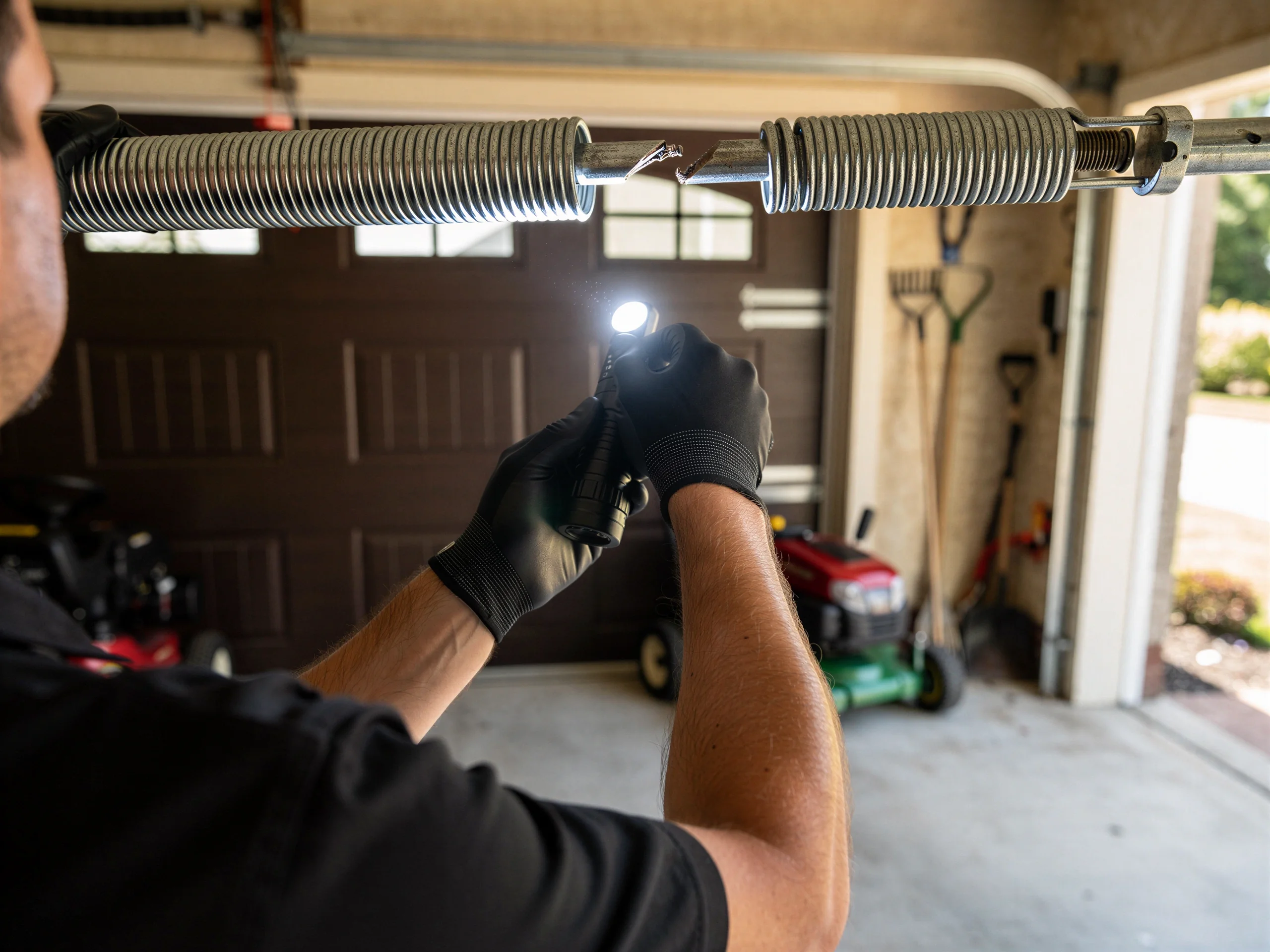
Most emergency calls in Coolidge are a broken torsion spring, a snapped cable, or an opener that's stopped communicating with its own sensors. For a spring, that means measuring the wire gauge and wind length off the existing one - not guessing from a chart - because a mismatched spring either won't lift the door evenly or burns out in months.
Check both cables
For a cable, we check the drum and the other cable at the same time; if one side went, the other side is usually close behind on a door built in the same era.
Sensor alignment fix
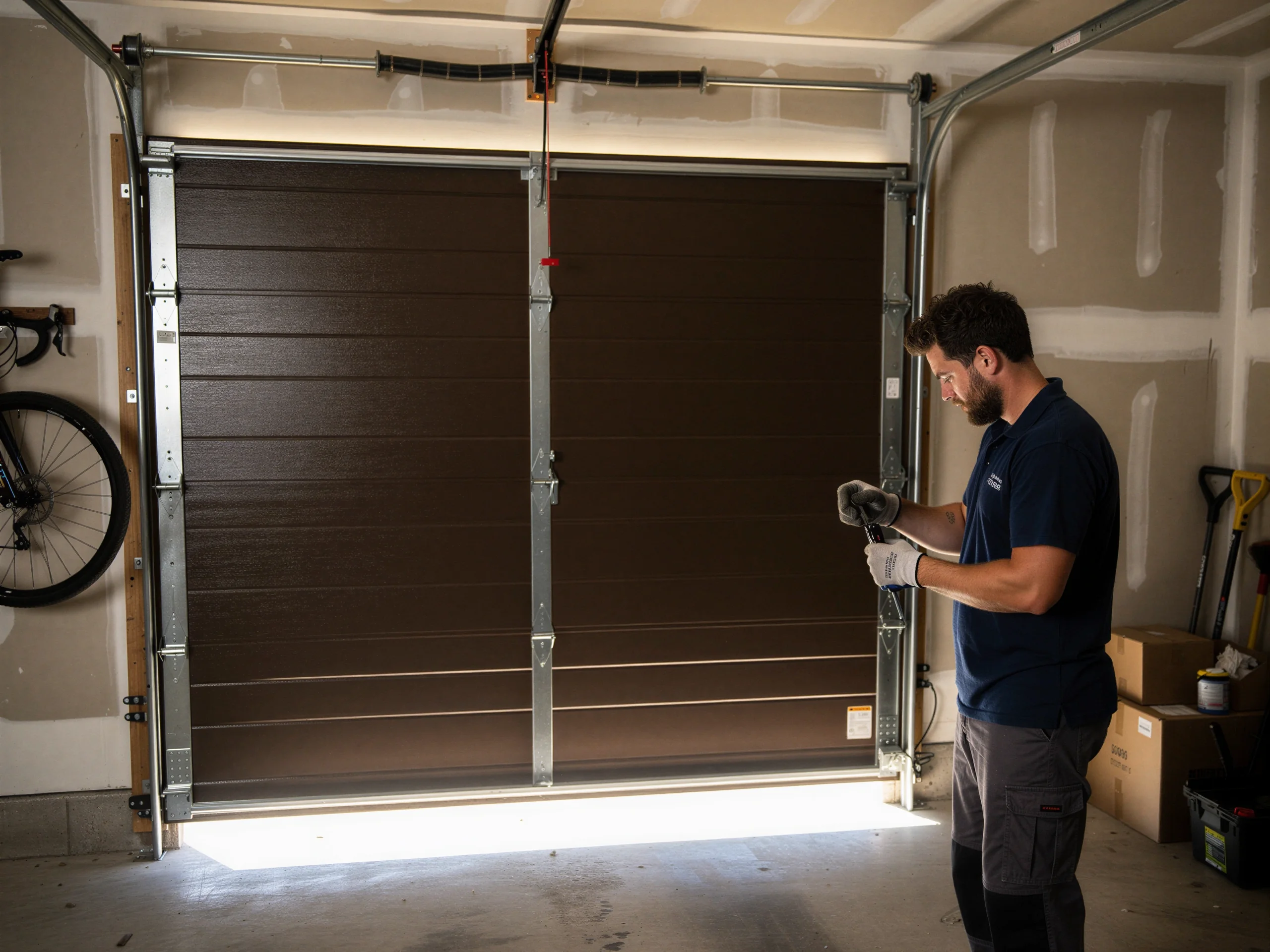
On these 1990s-and-later openers, a sensor that's knocked out of alignment or caked in dust will stop the door from closing even though nothing's broken - that's a five-minute fix, not a parts job, and we'd rather tell you that over the phone than roll a truck for it if we can diagnose it that way first.
Skip unneeded parts
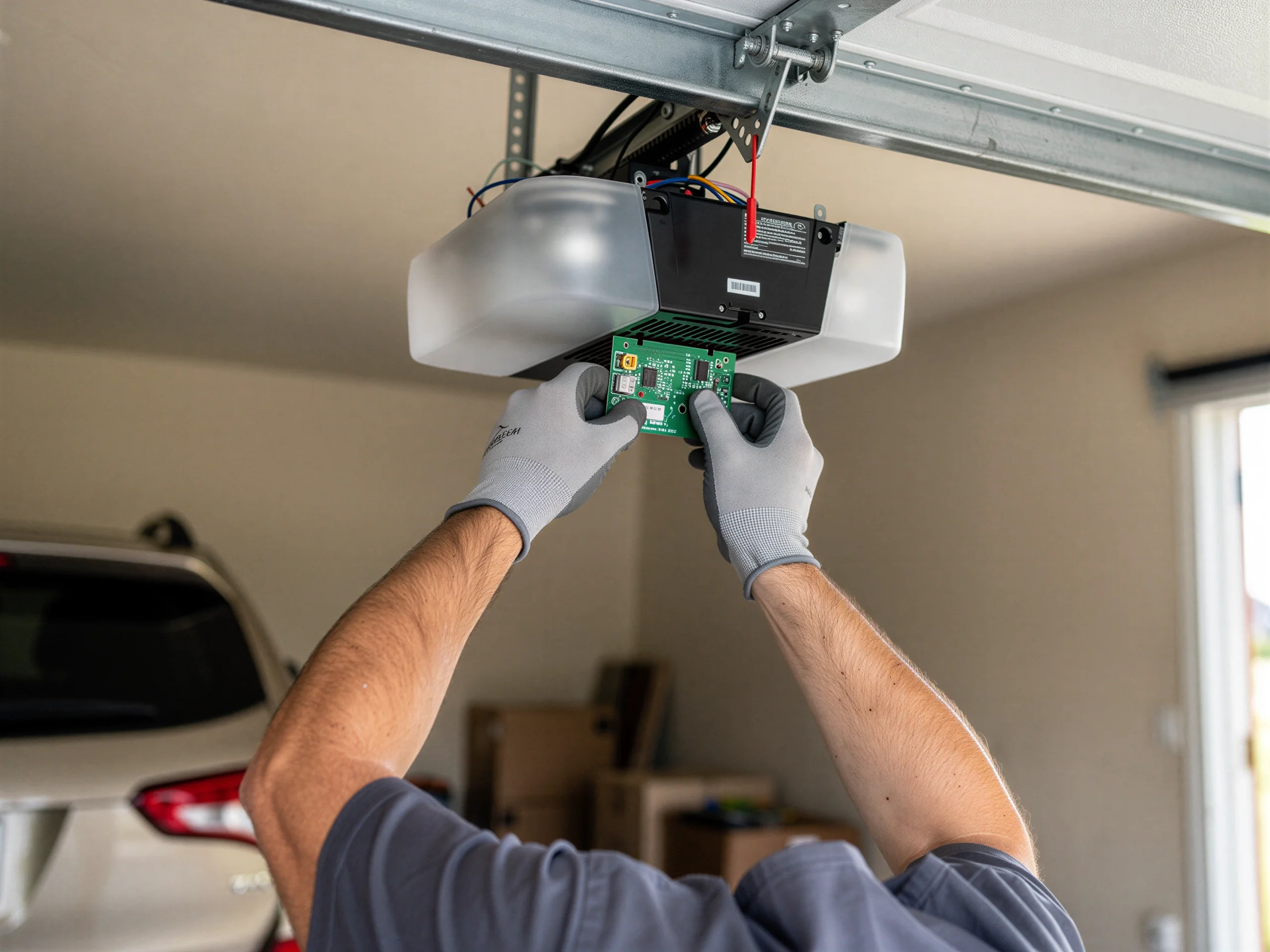
We don't replace parts that don't need replacing. If the opener logic board itself has failed, that's a different conversation, because some of those units are old enough that the board isn't worth sourcing against the cost of a new opener.
What Can Go Wrong
A broken spring on a double door puts the full weight on the opener's drive gear if someone tries to run the door with the opener anyway - that's how a $200 spring job turns into a $200 spring job plus a stripped gear.
Frayed cable warning signs
The other thing we see on doors from this era is a cable that's frayed but not yet snapped, which looks like a slow, uneven close. Left alone, it snaps at the worst time, usually with the door halfway down.
Board on order
One honest limit: if the opener board itself has failed and it's an older discontinued model, we may not have that exact board on the truck, and ordering it can take a few days.
Opener swap faster
In that case replacing the opener outright is usually faster and not much more than waiting on a board that's hard to find. We'll tell you straight which way makes more sense for your situation rather than stall the job waiting on a part.
What Is on the Truck
For the run out to Coolidge we carry torsion springs across the common wire-gauge and wind-length range that fits doors from the 1990s and 2000s, since that's what the housing stock out here calls for.
Common parts on truck
We also carry standard galvanized lift cables, drums, and the sensor brackets and photo-eye units that fail most often on openers from that build era. Rollers and hinges come in steel and nylon, since noise complaints are as common a call as an actual breakdown.
Not every board stocked
What we don't carry as a default stock item is a replacement board for every discontinued opener model ever sold - that's the one part that sometimes means a short wait.
One-visit repair goal
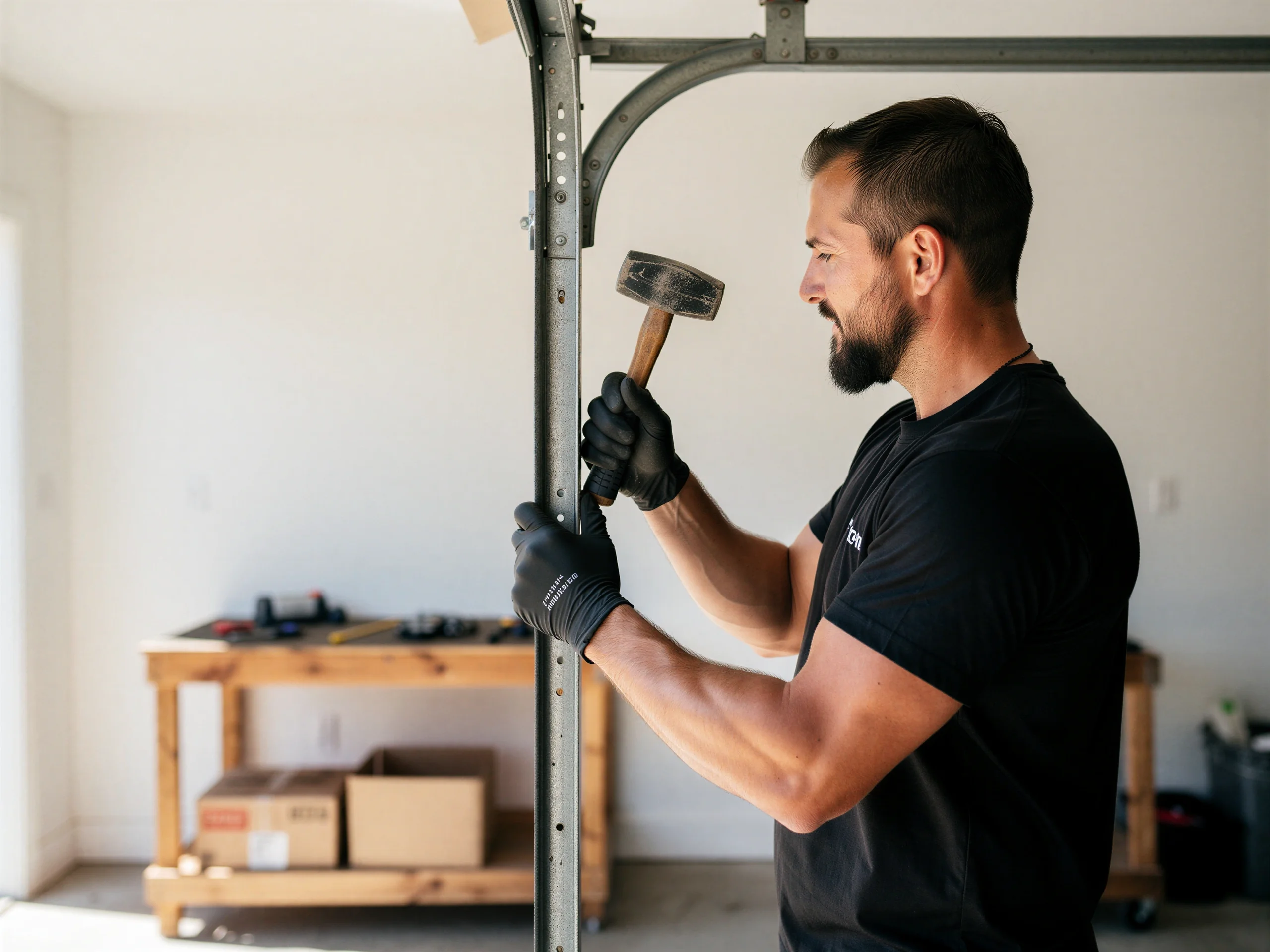
For everything else - spring, cable, roller, sensor, track bracket - the truck is built around fixing the door in one visit, because driving the 14 miles twice for the same job doesn't make sense for us or for you.
Talk to a local pro
Garage door service in Casa Grande?
Same-day service with honest, upfront quotes.