Getting It Booked In
We work out of Casa Grande, about 14 miles from Coolidge, and we don't keep a branch or a drop box in town - every job here starts with a drive.
No same-day promise
That matters for one thing: same-day isn't a promise we make for Coolidge the way we might for a job five minutes from the shop. Tell us what the door is doing (won't open, grinding, hanging on one side, opener clicking but not moving) and we'll give you a realistic window before we leave Casa Grande, not an optimistic one.
Build year guides parts
Most calls from Coolidge are for houses built right around 1999, which narrows down what we bring before we even see the door. If you know the age of your house, say so when you call - it saves a trip back to the truck for the right spring size or the right opener logic board.
Phone estimates only
We don't do walk-in estimates in Coolidge since there's no storefront to walk into. A phone call with the symptom and the door's approximate age gets you a faster, more accurate quote than a guess on-site.
Why This Fails Locally
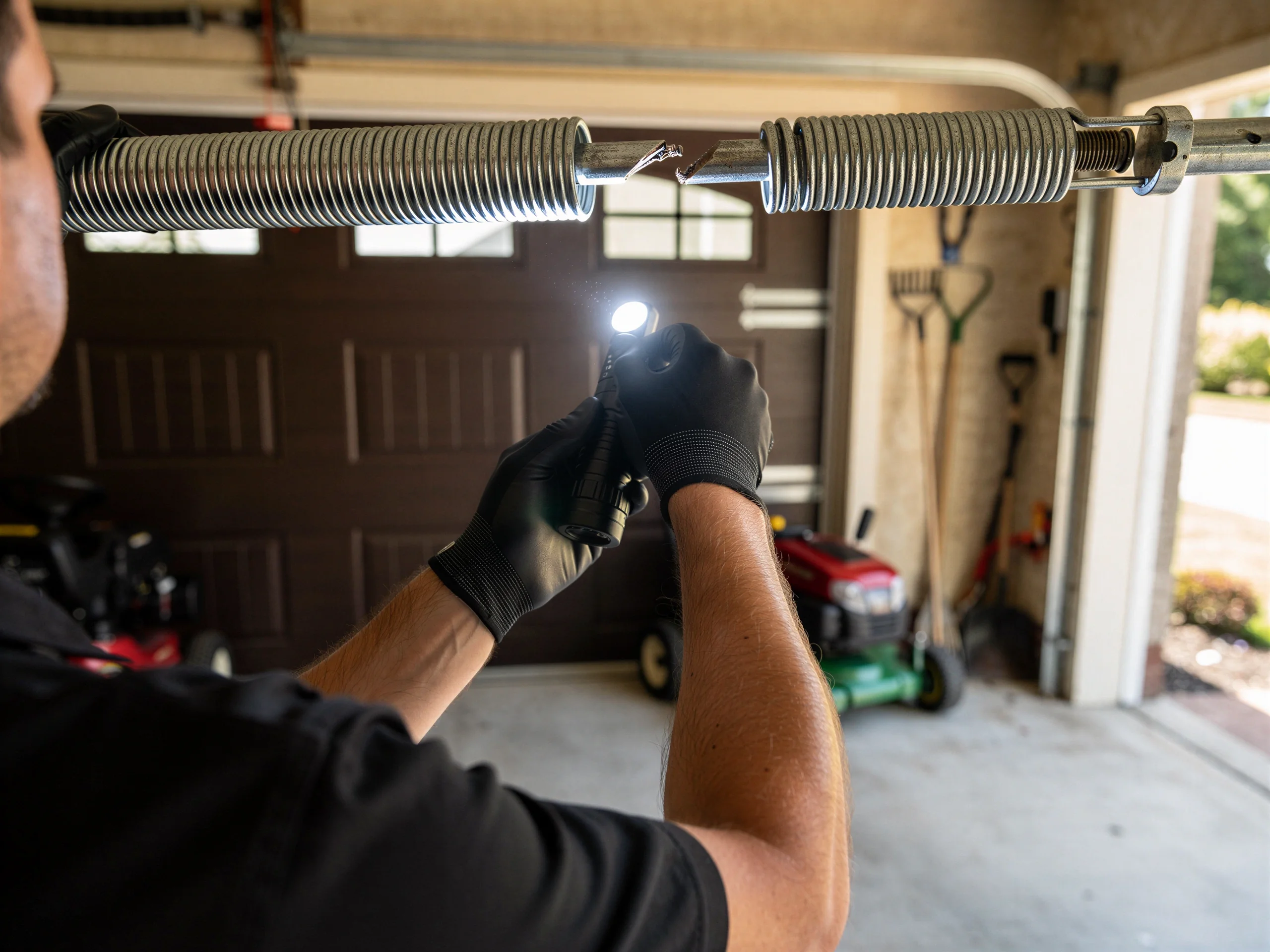
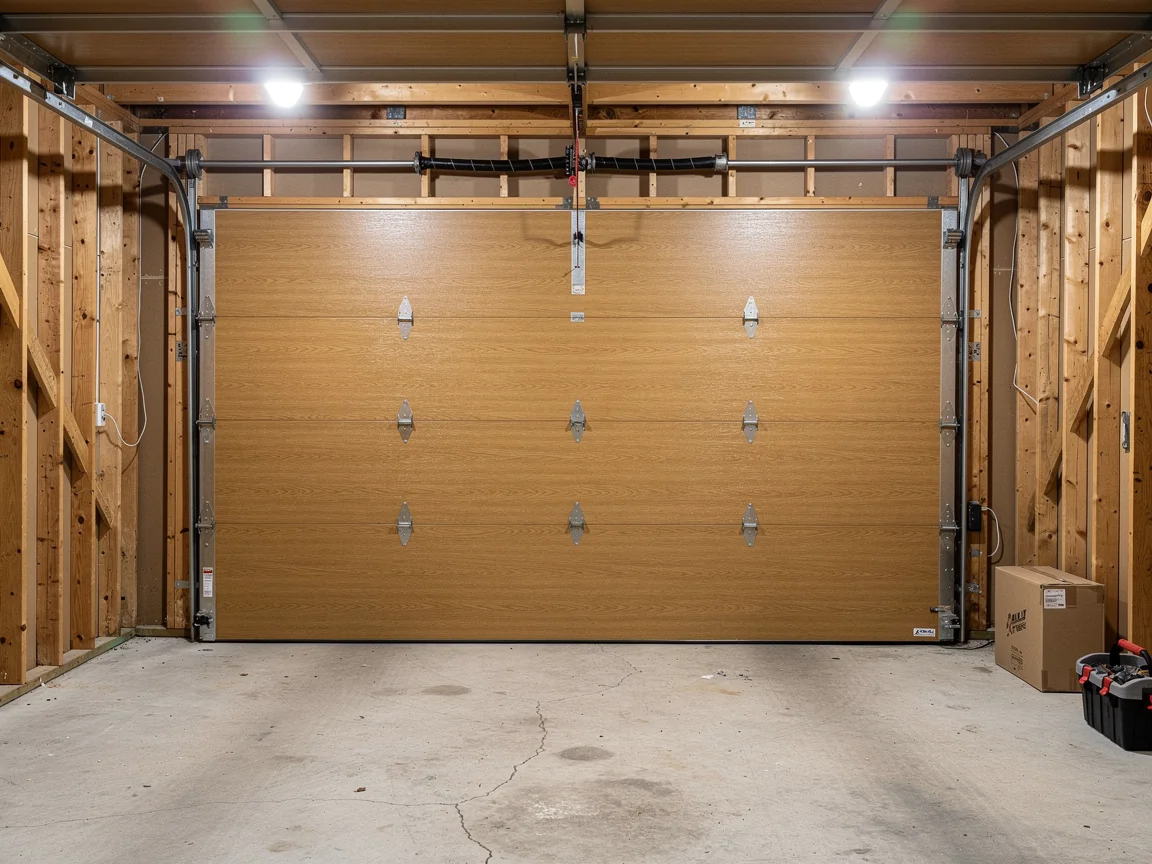
Coolidge's housing stock centers on 1999, which puts most garage doors here at the tail end of the steel-and-galvanized-torsion-spring era - not the oldest extension-spring doors, but not the newer high-cycle setups either. That generation of door was built to a price point that assumed moderate heat, and it's been running in a HEAT-severe climate band for over two decades. Every summer the spring gets a workaround of hard expansion and contraction it wasn't over-engineered for, and the opener's gears and belt (or chain) see the same cycle.
The failure pattern we see out of Coolidge tracks that: torsion springs that snap at the coil rather than fray gradually, nylon rollers that go brittle and crack instead of just wearing smooth, and opener drive components that strip under heat-softened plastic. None of that is a Coolidge-specific defect - it's what a 1999-era door does after twenty-plus summers in this band. A door built in 1975 fails differently (worn cable drums, rusted hinges); a door built in 2015 fails differently again (circuit board sensors, not hardware). The age band is the diagnosis before we even open the panel.
What the Fix Involves
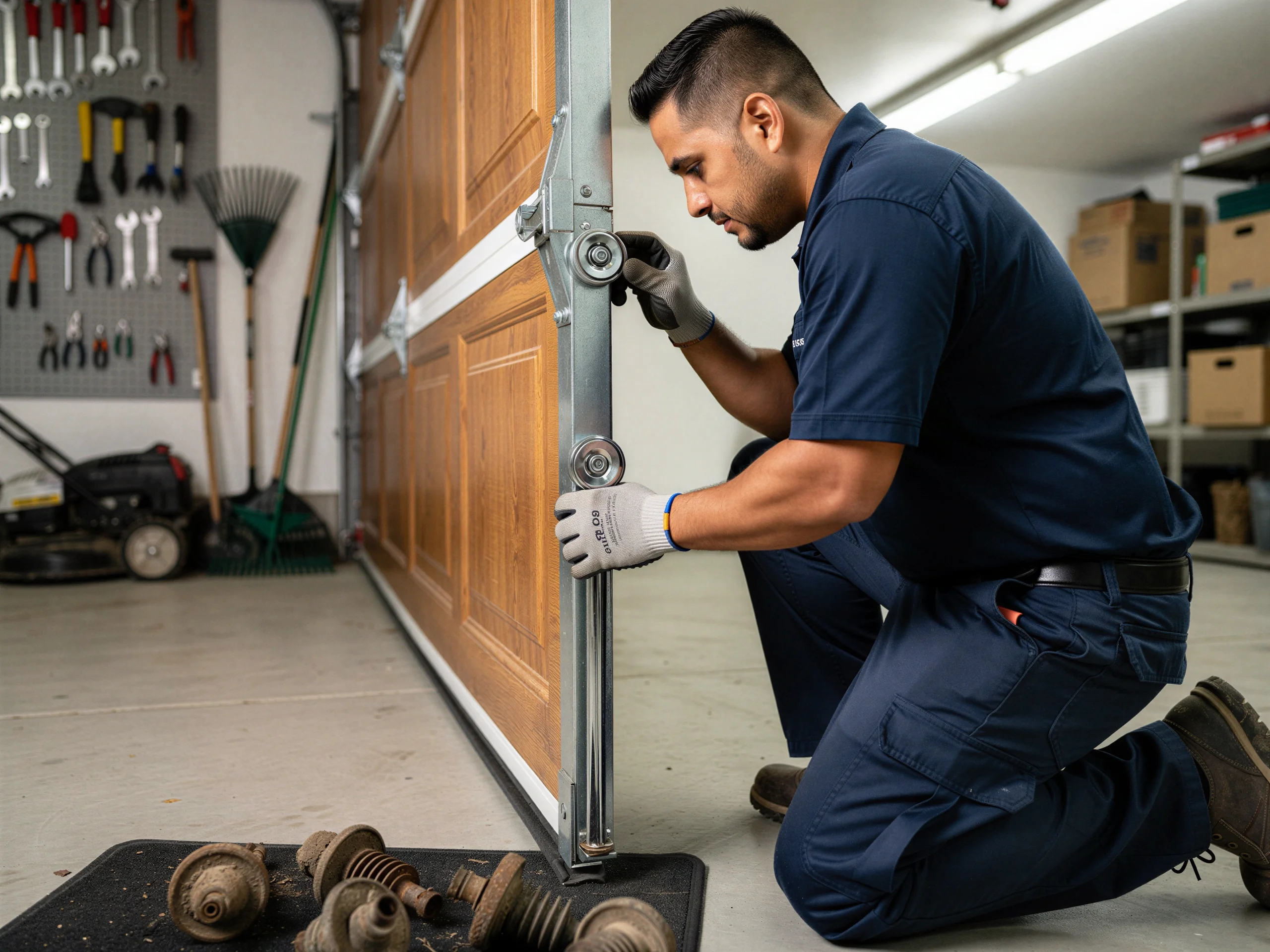
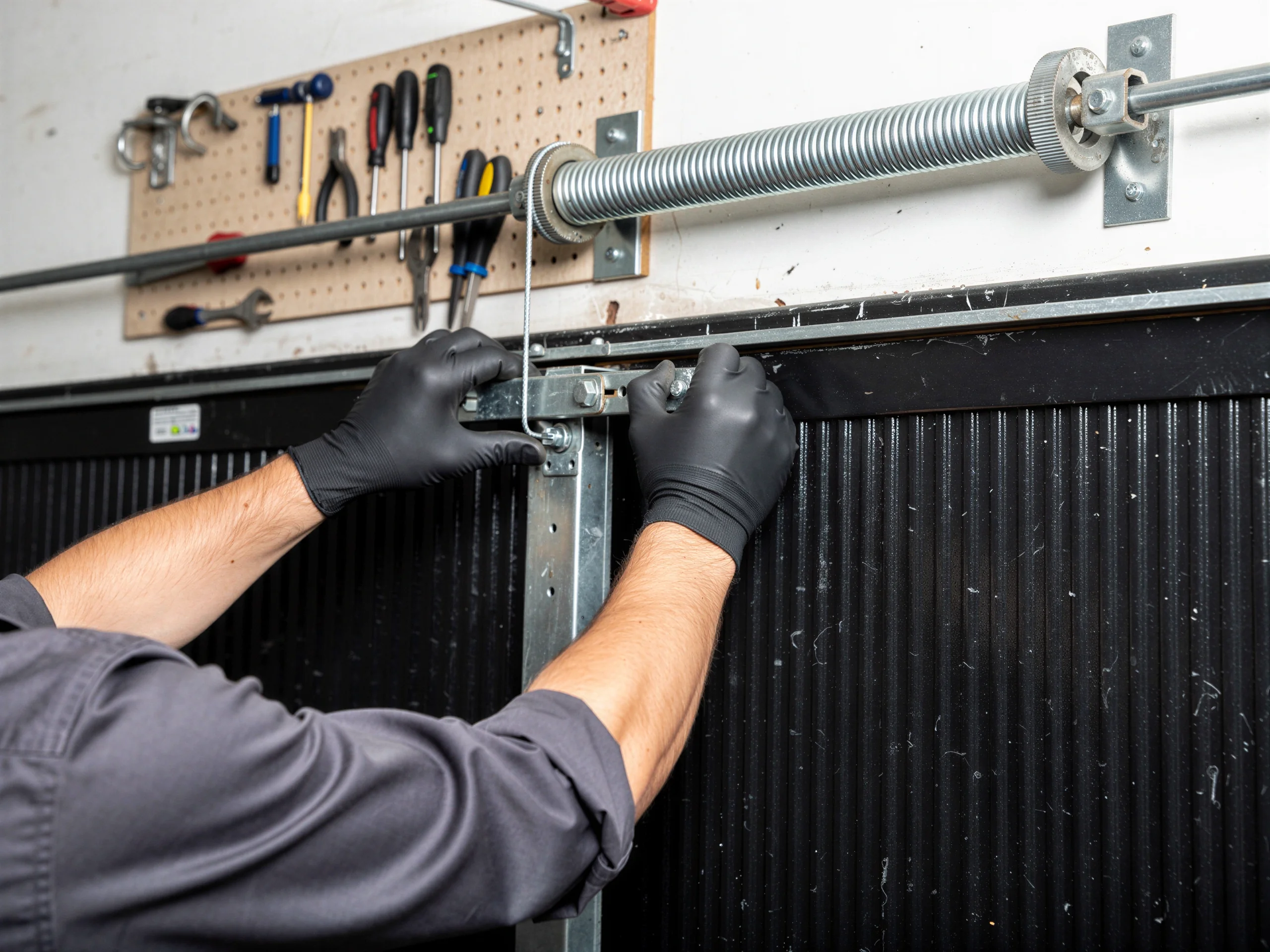
On a typical Coolidge call, we're pulling the torsion spring size off the door's data plate or measuring the shaft, because original-spec springs for 1990s-era doors aren't always what's on the shelf of a general hardware store.
Balanced spring pair
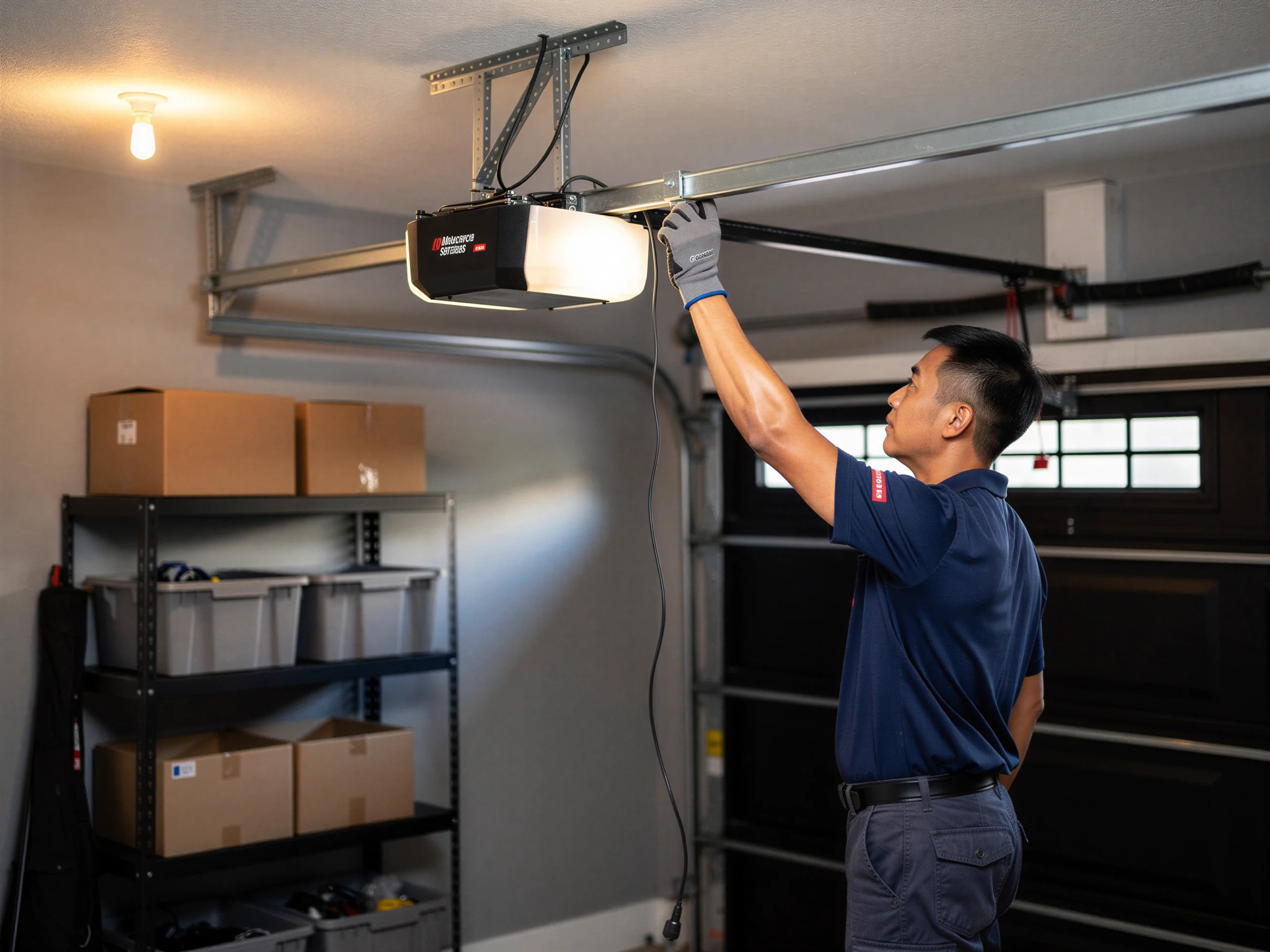
If the door is original to the house, we're often replacing both springs even if only one broke - the other is the same age and under the same fatigue, and a mismatched pair throws the door off balance. For openers, a lot of what we find is heat-related wear on the drive mechanism rather than the motor itself - belts gone slack, chains stretched, gears with stripped teeth.
Test full travel cycle
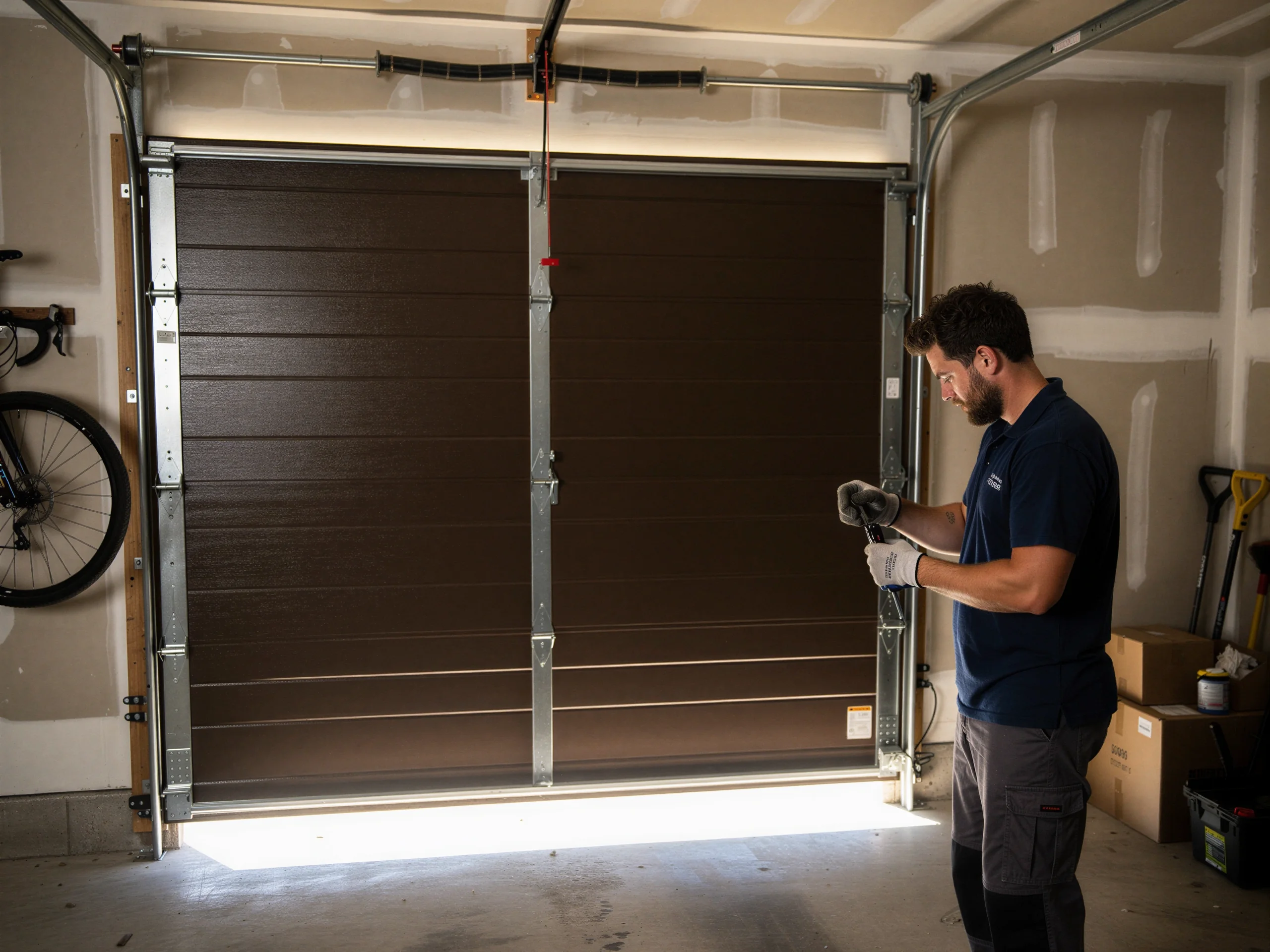
We test the whole travel cycle after any repair, not just the part that failed, because a door that's been pulling hard on one side for months usually has a track or roller problem riding along with the spring problem. We don't replace a whole door system to fix a $40 part.
When replacement makes sense
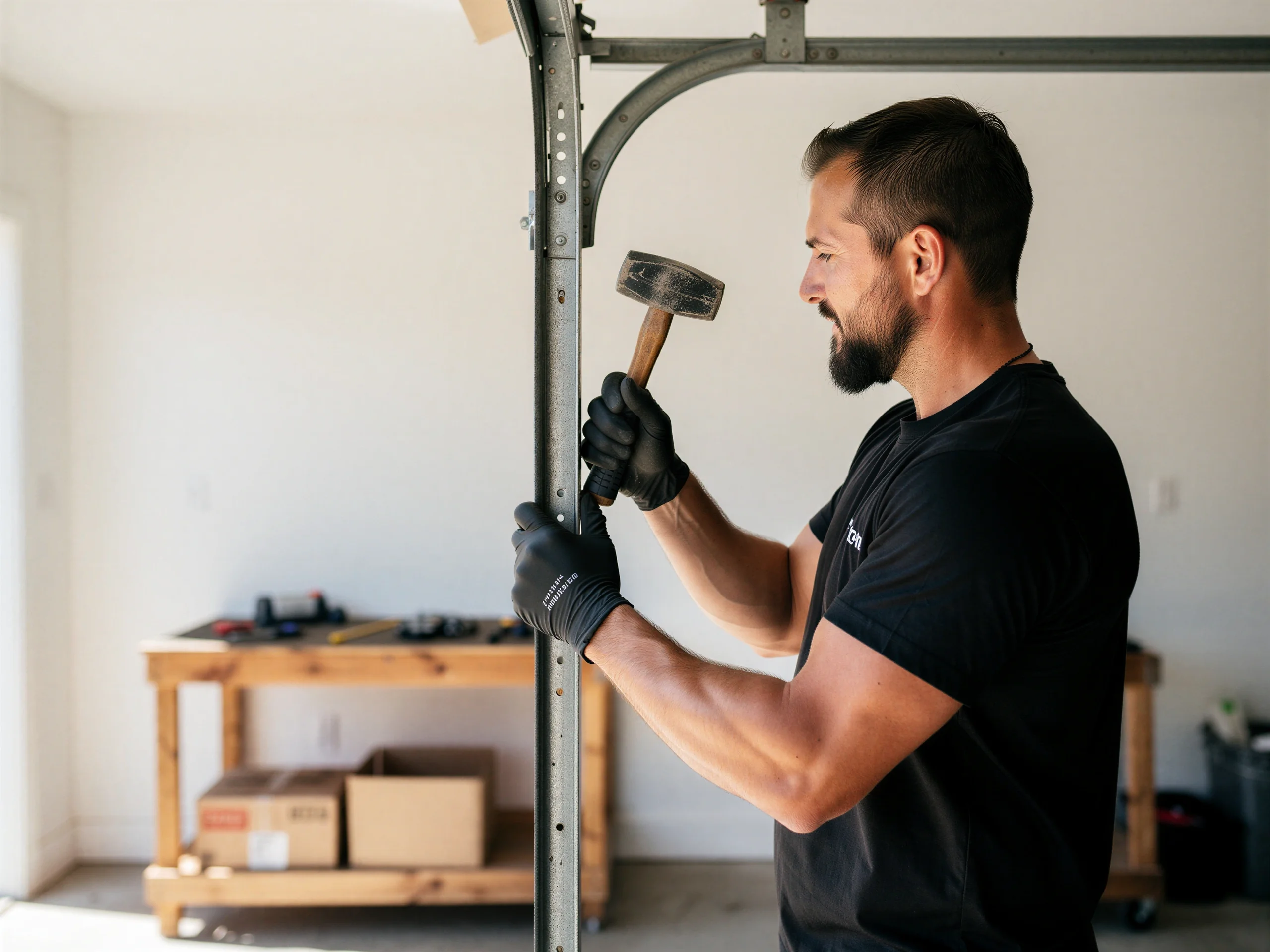
If a tune-up and a spring swap gets a 1999-era door running quiet and balanced again, that's the job - replacement comes up when the track is bent beyond pulling straight or the opener's control board is actually dead, not just slow.
What Can Go Wrong
The honest limitation here: if your door's spring size or opener model is unusual for the era, we may not have the exact match on the truck, and that means a second trip after we order the part - which, from Casa Grande, isn't a same-day turnaround. We'd rather tell you that up front than promise a one-visit fix and miss it.
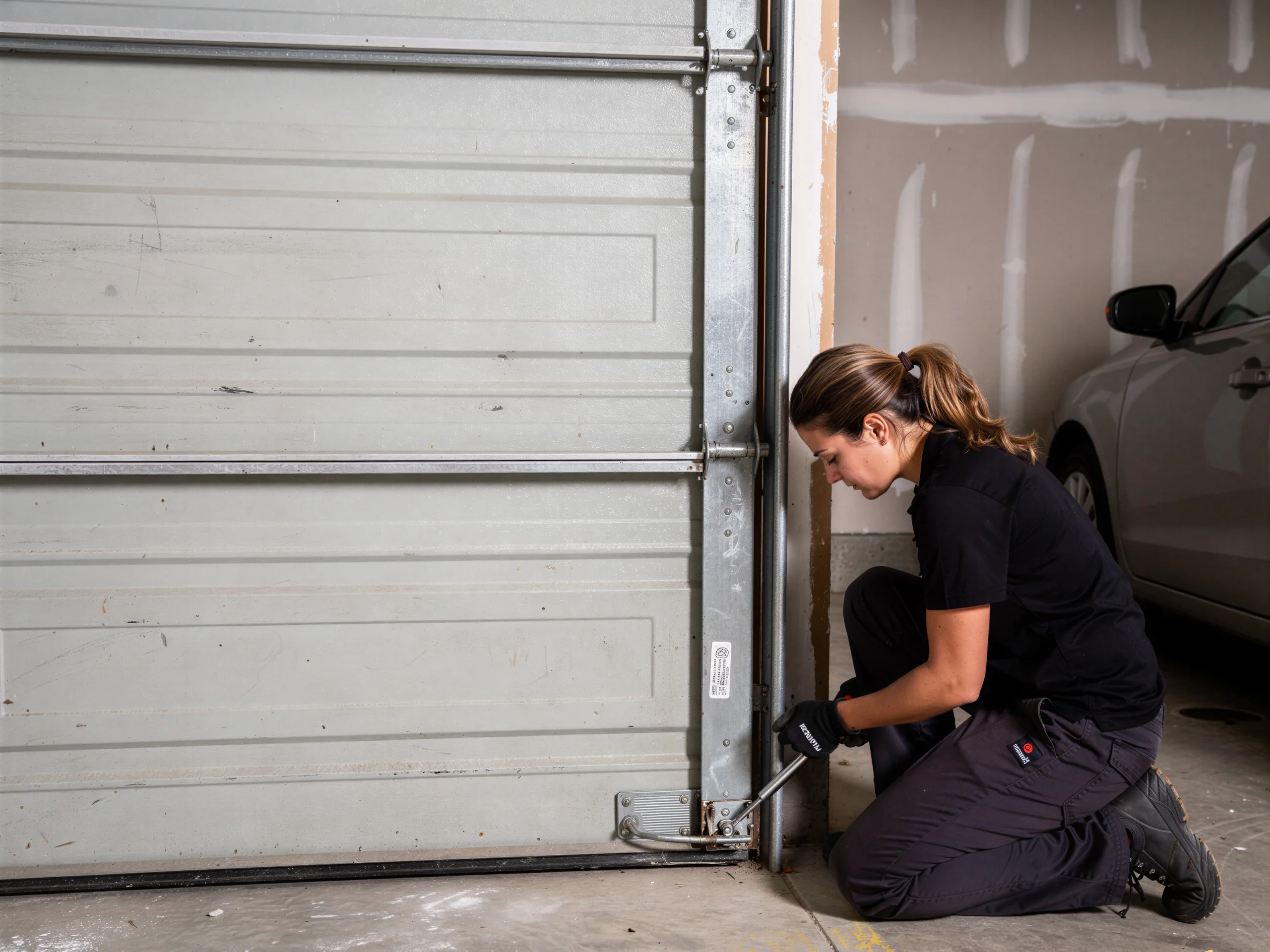
On 1990s-built doors, we sometimes find that heat cycling has warped the track mounting brackets just enough that a straight spring swap doesn't fully solve a door that's binding - that's a second repair, not a failed first one, and we'll flag it before we close out the job rather than let you discover it in July.
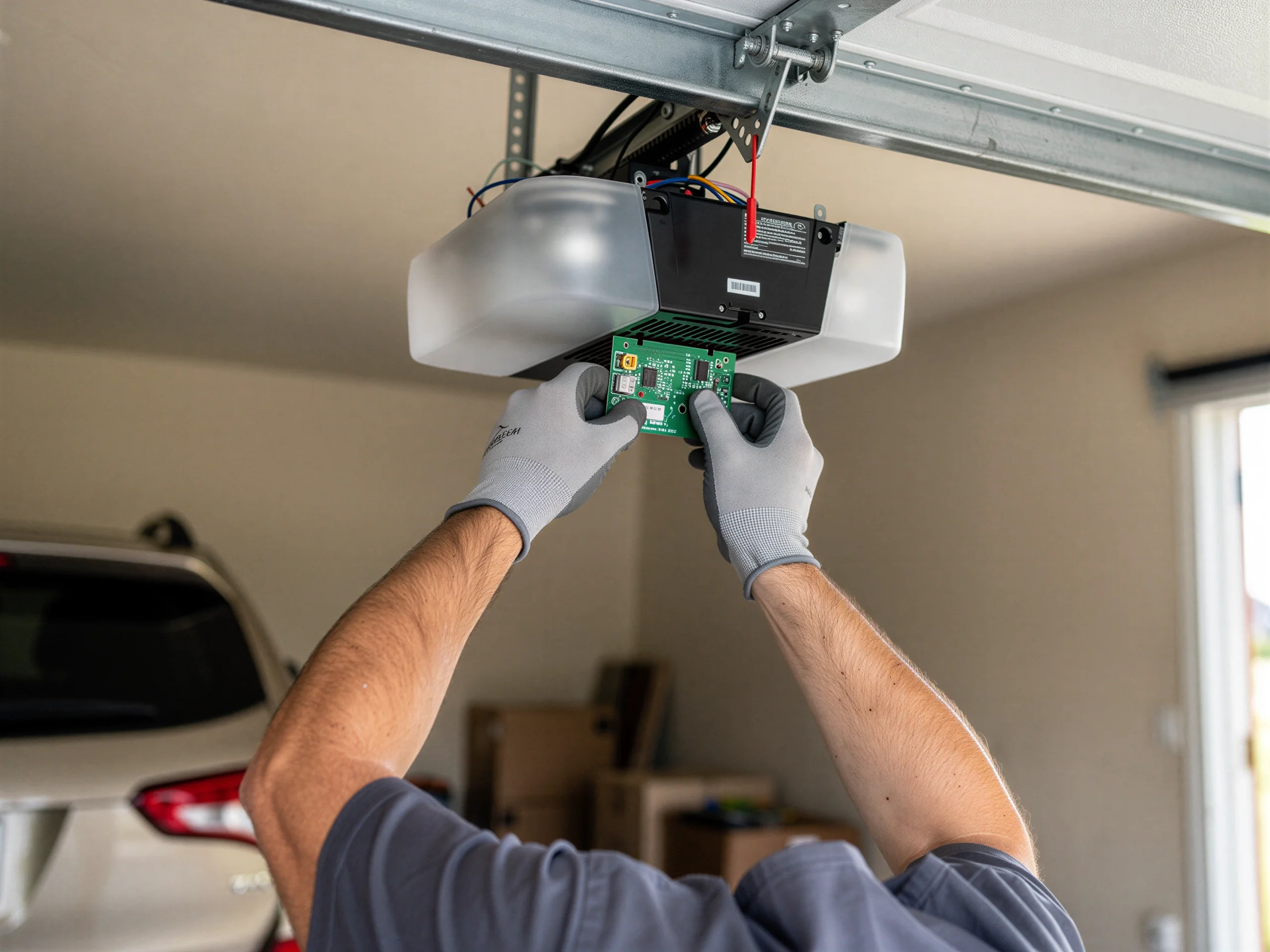
Openers from this era occasionally have logic boards that are simply discontinued; when that happens, repair stops being the cheaper option and we'll say so rather than chase a part that doesn't exist anymore.
What Is on the Truck
For Coolidge calls we carry torsion springs sized for the common 1990s-2000s residential door weights, since that's what most of the town is running. We stock heat-rated nylon and steel rollers - the nylon for quiet operation, steel where a roller's been failing repeatedly and heat is the likely cause. Cables, drums, and standard galvanized hardware come standard, along with belt and chain-drive opener parts for the mid-size residential units common to houses of this build year.
What we don't carry as standard stock: specialty insulated panel sections and less-common opener control boards tied to models that have since been discontinued. Those get ordered after we've seen the door, which is the honest version of a parts lead time rather than a guess made over the phone.
Talk to a local pro
Garage door service in Casa Grande?
Same-day service with honest, upfront quotes.