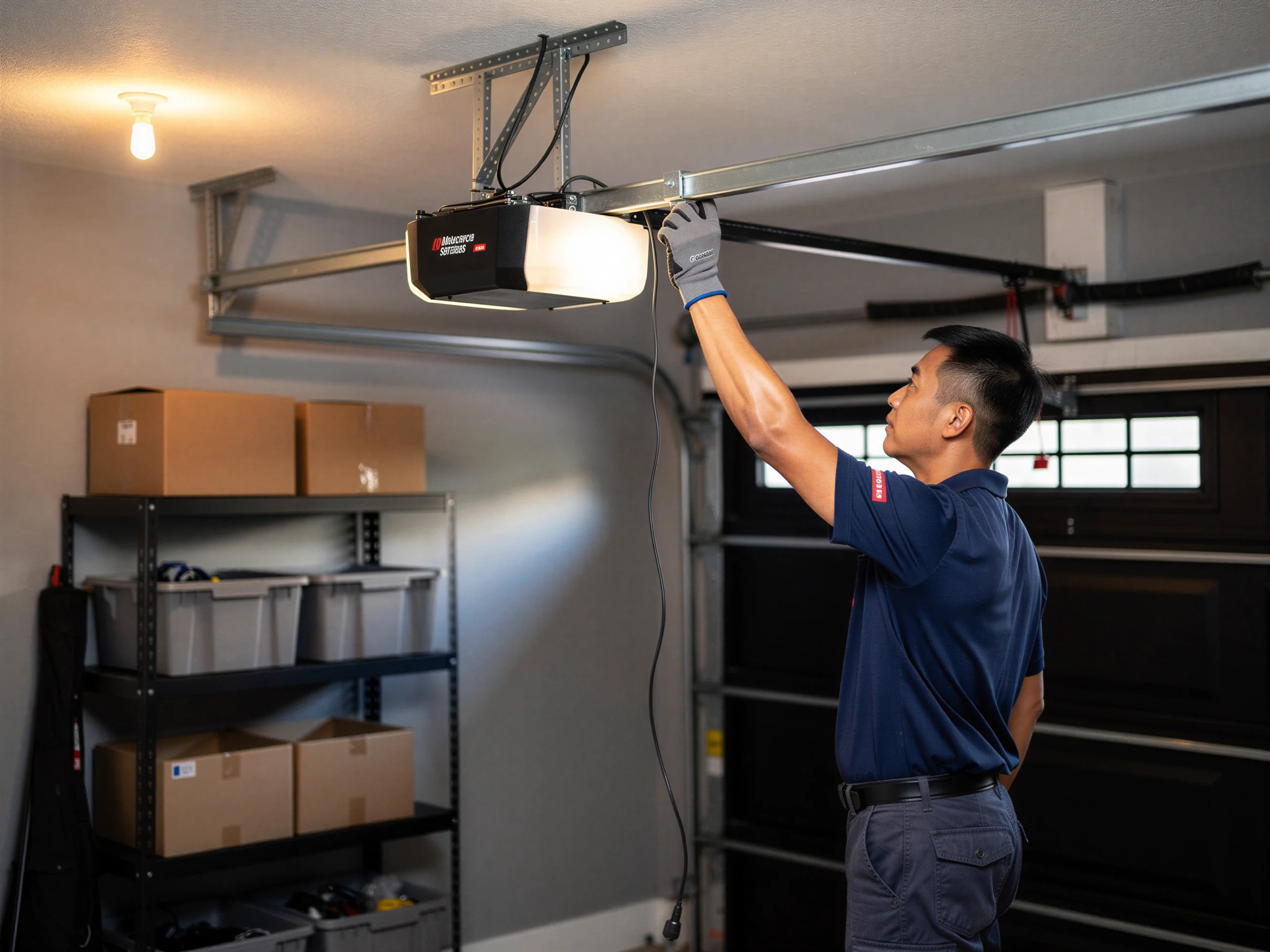
Getting It Booked In
Coolidge sits about 14 miles from our shop in Casa Grande, and that distance shapes how we book the job. We don't run a branch out here, so an opener install gets scheduled as one trip: we confirm the opener model, the door weight, and whether you want battery backup before the truck leaves, so the visit covers the full swap instead of a diagnose-today-return-tomorrow split.
Openers nearing 25 years
Most of the homes we work on in Coolidge went up close to 1999, right at the newer edge of the service area's 1960-2001 build range, which means the openers original to those houses are now pushing 25 years old.
Replace outdated chain drives
That's well past the point where a chain-drive unit with no rolling code and aging safety sensors is worth patching. If your opener is original to a late-1990s build here, replacement usually makes more sense than another repair call.
Honest tune-up advice
We'll tell you straight if a tune-up will hold instead - a new motor isn't always the right answer, and we won't sell you one when it isn't.
Why This Fails Locally
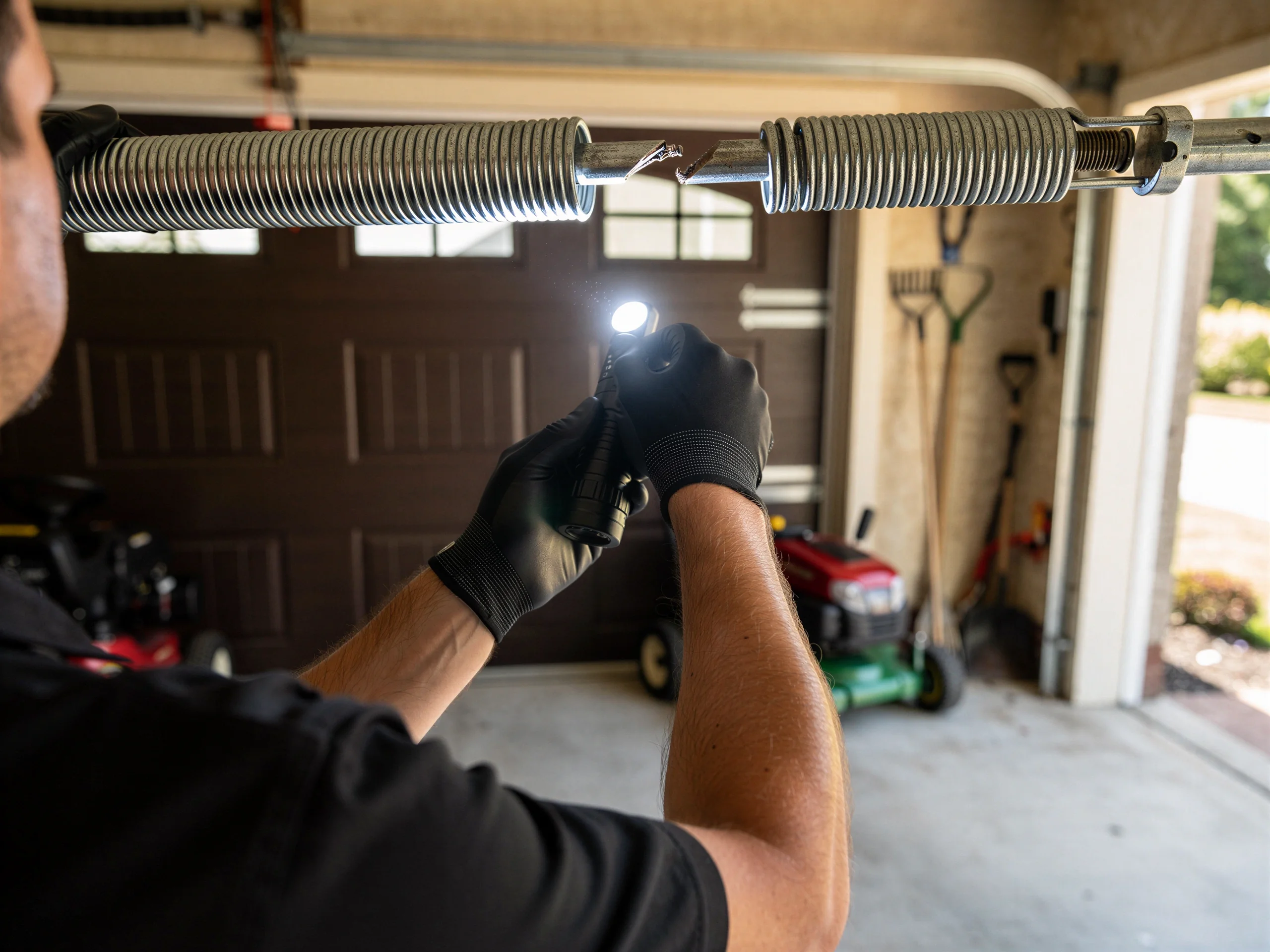
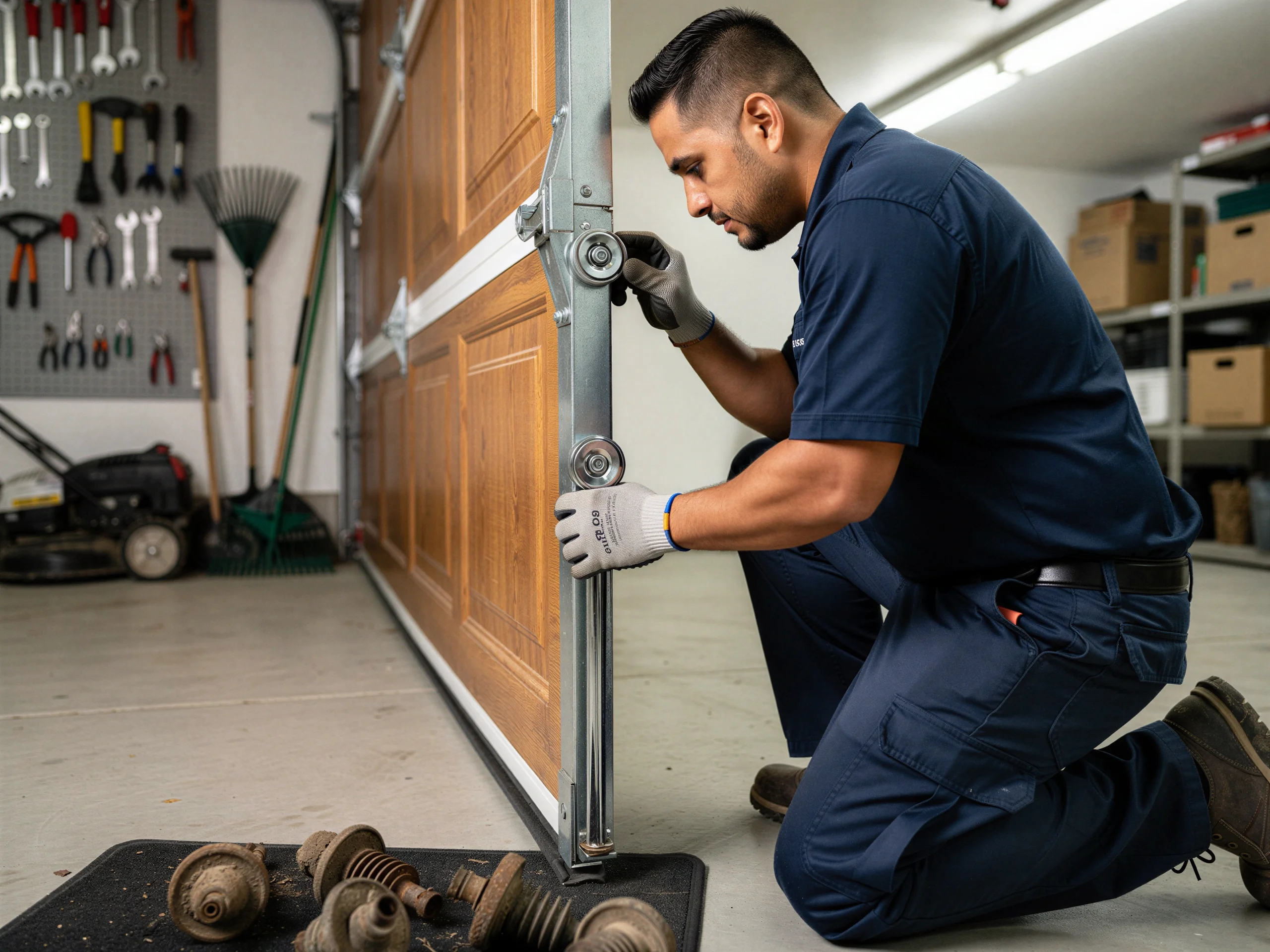
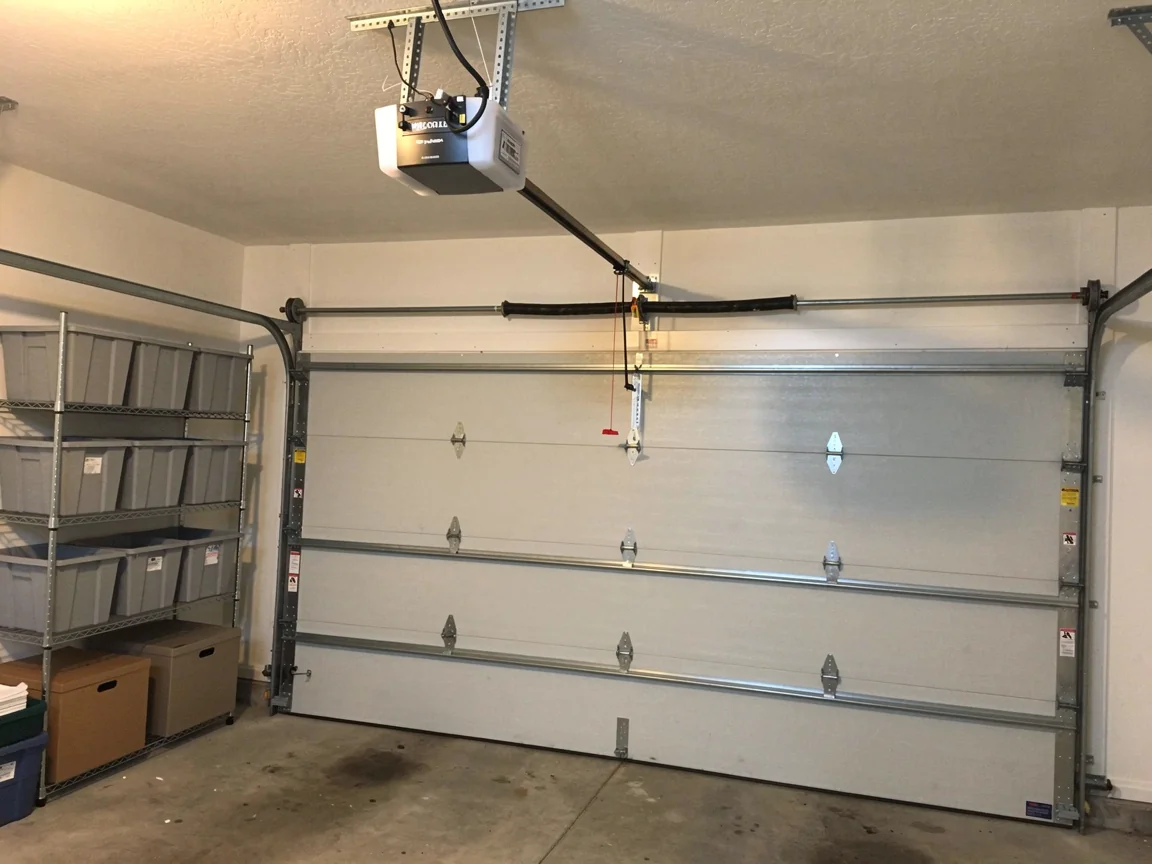
A 1999 build date puts most Coolidge garages just past the era when builders standardized on 7-foot steel sectional doors on extension or torsion springs, which is good news - the hardware is common and parts aren't hard to source. The problem is the opener itself, not the door. Units installed when these houses were framed are originals, meaning 25 years of Arizona heat on the same circuit board and the same drive gear. Severe summer heat here is hard on logic boards and on belt material - plastic drive components get brittle, and capacitors on older boards fail at a higher rate than they would in a milder climate. We see this pattern across the service area's newer construction, not just the old stock from the 1980s and 90s elsewhere. The fix isn't a new spring or a new panel - it's the opener itself, because the motor and board are what give out first under sustained heat load, long before the door hardware does.
What the Fix Involves
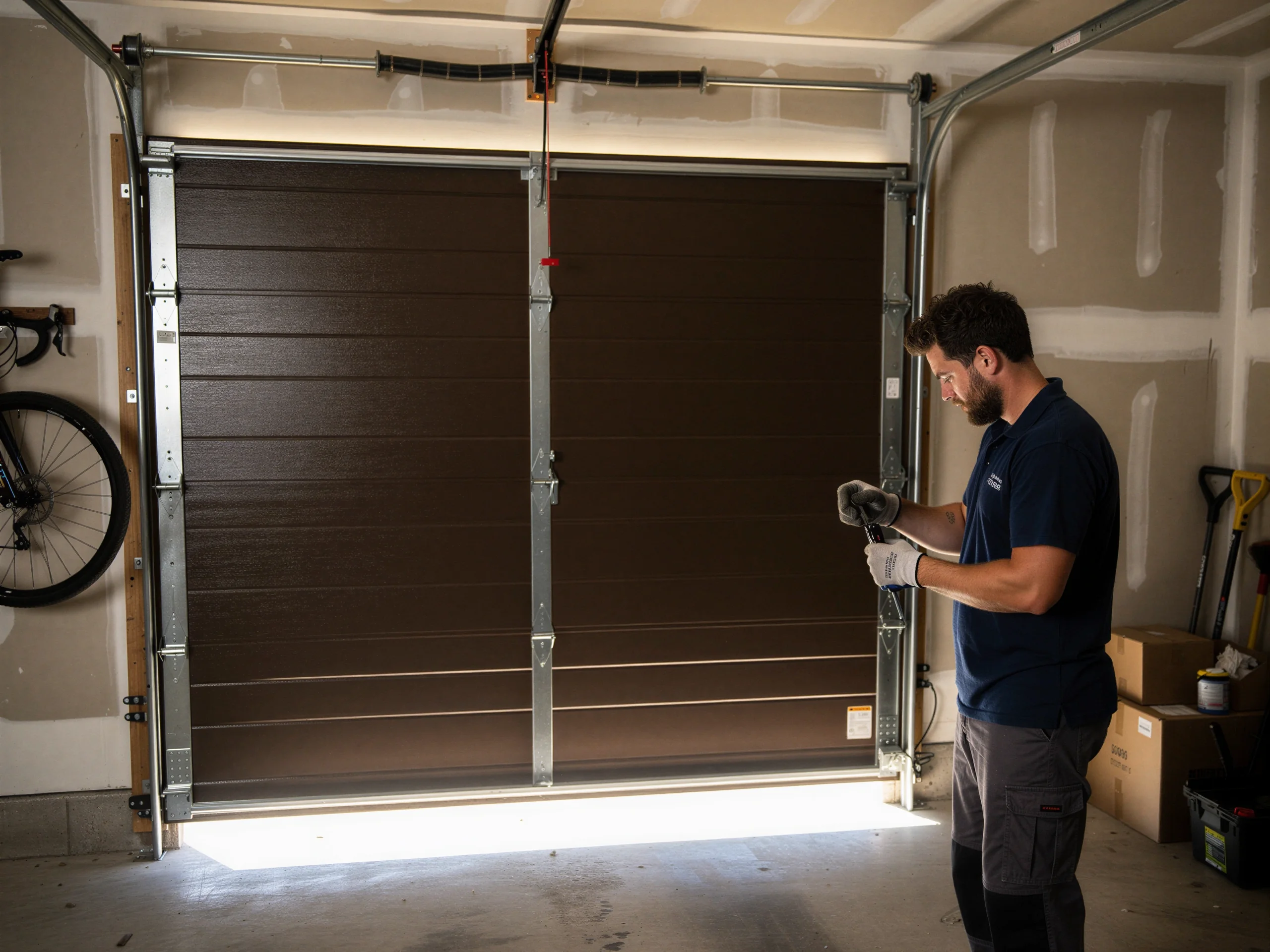
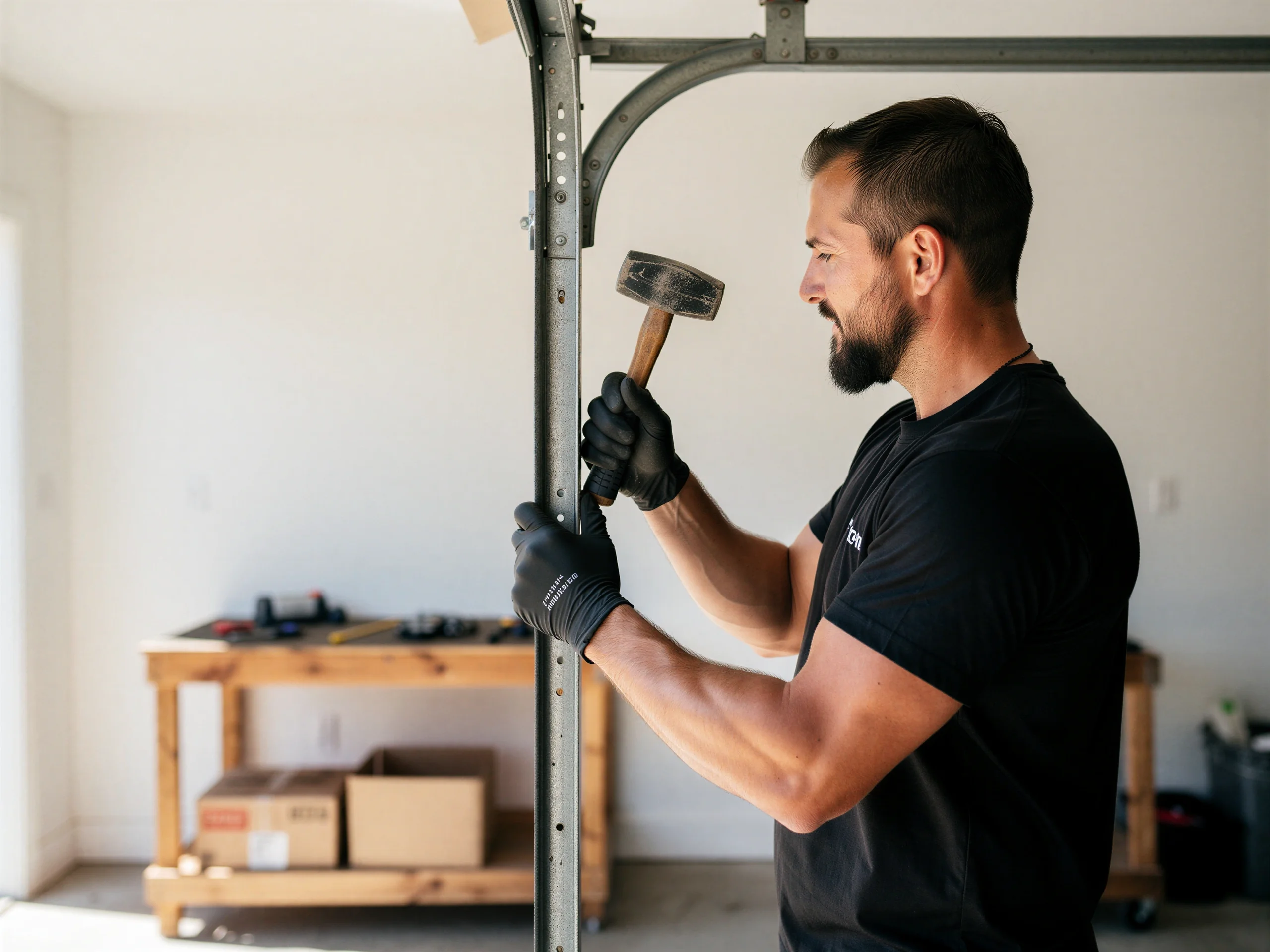
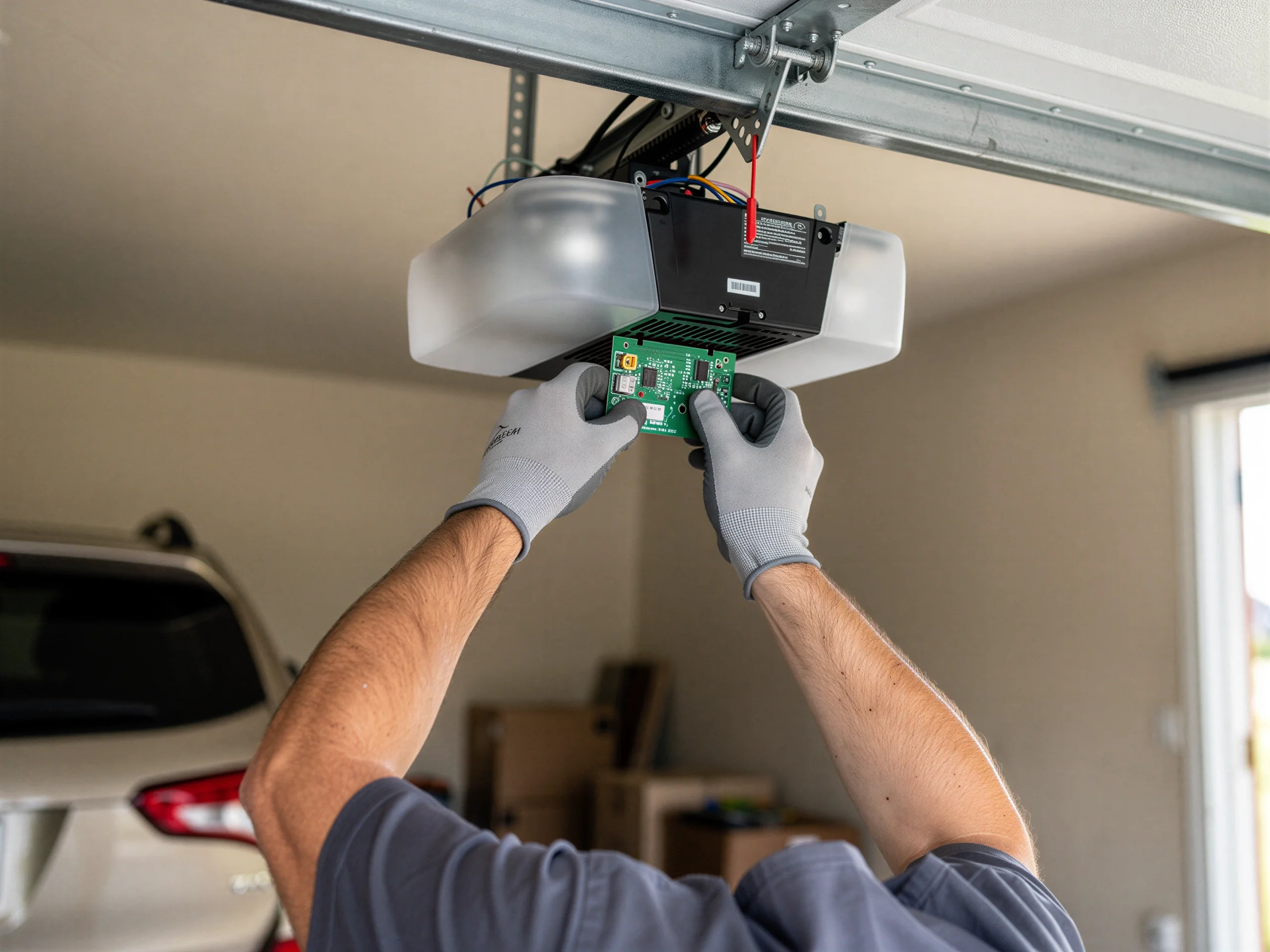
The swap starts with pulling the old motor head and rail, checking the existing track mount is solid wood or framing (not something rotted or reinforced with a shim that won't hold a new bracket), and confirming the door's spring setup matches the new opener's horsepower rating. On a 1999-era house the door is almost always standard steel sectional, so we're not fighting an oversized wood door or a nonstandard track width. We mount the new rail, set the travel limits, pair the remotes and keypad, and test force settings so the door reverses properly on an obstruction - that safety check matters more here given how many hours these doors cycle during the hottest months when people are in and out of the garage avoiding the heat outside. We also check the wall station wiring, since original 1999 wiring sometimes used a two-wire setup that newer openers with smart features don't always like. Expect an hour or two on site depending on whether we're also replacing the rail or just the head unit.
What Can Go Wrong
The most common surprise on these jobs is a travel limit or force setting that won't hold because the door's springs have weakened over 20-plus years, even if the door looks fine.
New opener versus imbalance
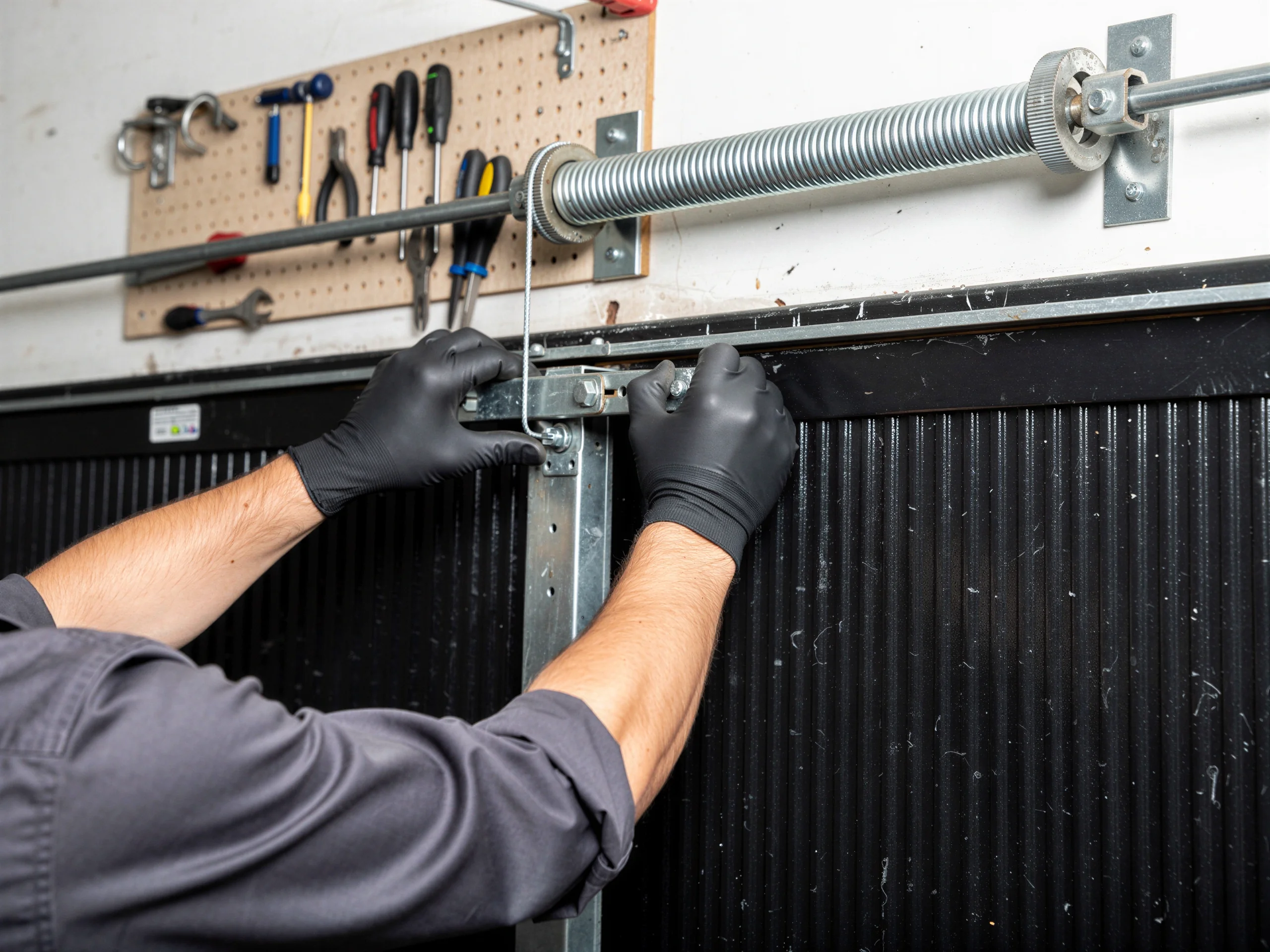
A new opener will fight a door that's out of balance, and it'll show up as grinding, slow travel, or the opener straining on open. We check balance before we commit to a final setting, and if the springs need attention too, we'll say so rather than hand you an opener that's working against bad hardware.
Grounding on older panels
Battery backup units can also behave oddly on homes with older electrical panels if the dedicated outlet isn't grounded properly - that's a five-minute check but it's one we don't skip.
Belt sag from heat
And on belt-drive units specifically, Arizona heat can make the belt sag over a few summers faster than it would in a cooler market, which isn't a defect, just something worth knowing before you choose belt over chain.
What Is on the Truck
We carry standard 1/2 and 3/4 horsepower chain and belt-drive openers, rail kits, and the mounting hardware that covers typical 7-foot steel sectional doors, which fits the vast majority of what's in Coolidge's garages. We stock keypads, extra remotes, and the wall-mounted safety sensors that wear out from years of sun through the garage door window. What we don't always carry is a replacement board for a specific older opener brand - if yours is a model from the original 1999 build and the manufacturer's discontinued that part, we'll tell you up front that a full unit swap is the faster and often cheaper route rather than waiting on a special-order board. Given Coolidge's median household income of $57,161, a bit above the service area average, we do get more requests for battery-backup and smart-enabled units, and we carry a few of each so that upgrade doesn't require a second trip.
Talk to a local pro
Garage door service in Casa Grande?
Same-day service with honest, upfront quotes.