Getting It Booked In
Coolidge sits 14 miles out from our shop in Casa Grande, and that drive shapes how we book an install here. We don't carry a second crew staged in town, so a new door job gets scheduled as a dedicated trip - we load the door, the track, the opener, and the fasteners before we leave, because there's no running back for a part we forgot.
Pre-quote measurement questions
That means we ask more questions on the phone than a shop with a local yard would: door width, ceiling height, whether you want a new opener or want to keep the one you have. Get those answers right and the trip covers everything in one visit.
Avoid double trips
The upside of the distance is that it forces a real measurement conversation up front instead of a crew showing up and guessing. We'd rather spend ten extra minutes on the phone than make two trips for a door that doesn't fit the opening.
Unexpected header problems
If your project turns up something we didn't plan for - a header that's out of square, hardware we don't have on the truck - we'll say so rather than force a door into a frame it doesn't belong in.
Why This Fails Locally
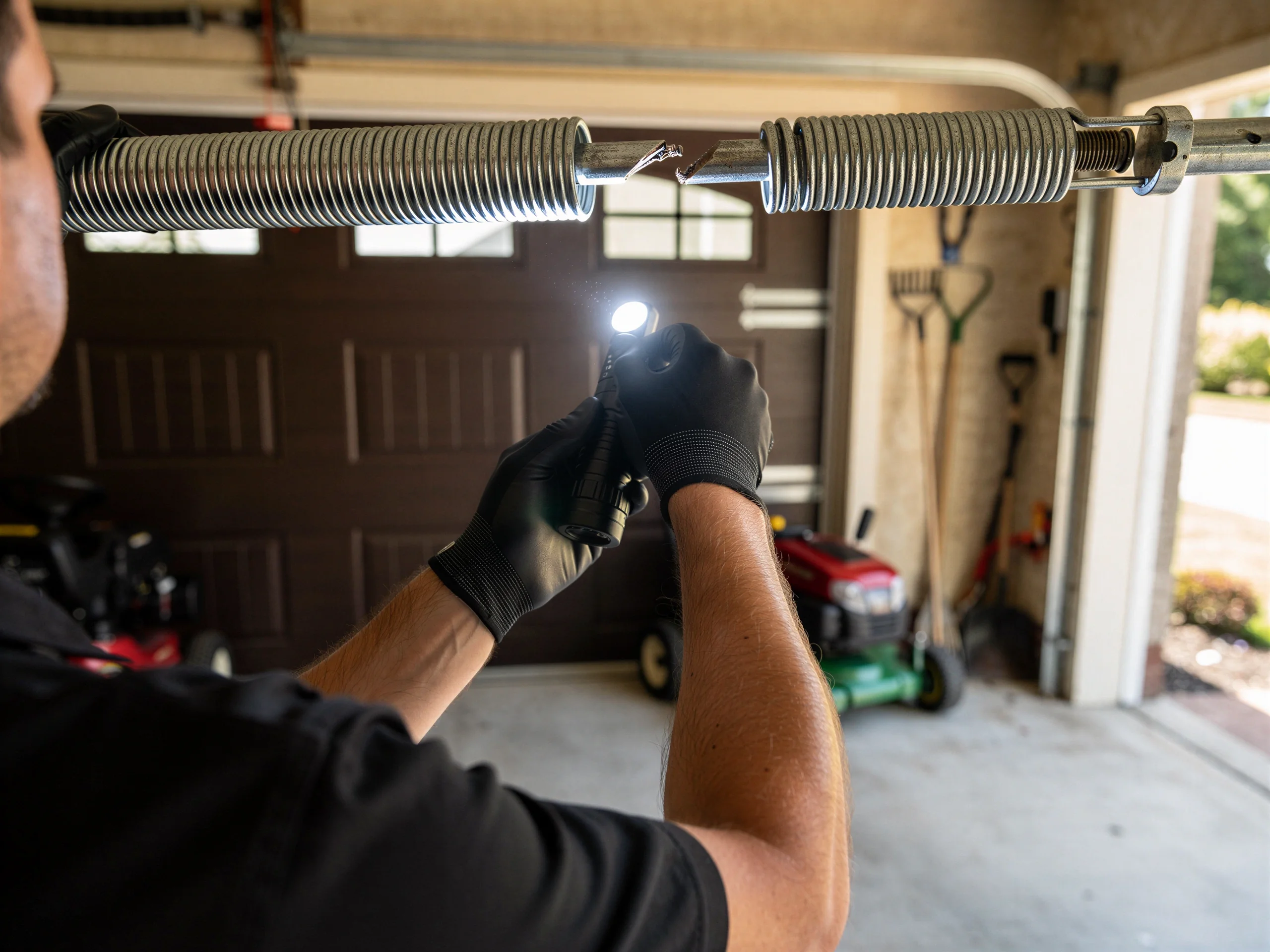
Most houses in Coolidge went up around 1999, which puts them square in the middle of the area's 1980s-through-90s housing wave. Doors from that build era are usually steel sectional, non-insulated or lightly insulated, on torsion springs sized for the lighter panel weight standard at the time. Twenty-five-plus years on, those springs are past or near the end of their cycle count, and the doors themselves are single-layer steel in a region where the summer heat band runs severe - a thin door does nothing to block radiant heat off a garage slab, and a hot garage pushes heat straight into an attached house. The fix people actually want when they call about a new door is rarely just a new panel; it's a door with enough insulation value to stop that heat transfer, paired with hardware rated for the extra weight an insulated door carries. Installing an insulated door on an old lightweight spring is the fast way to get a sagging door in two years, so if you're upgrading the panel, the spring and drums usually need to be re-sized at the same time.
What the Fix Involves
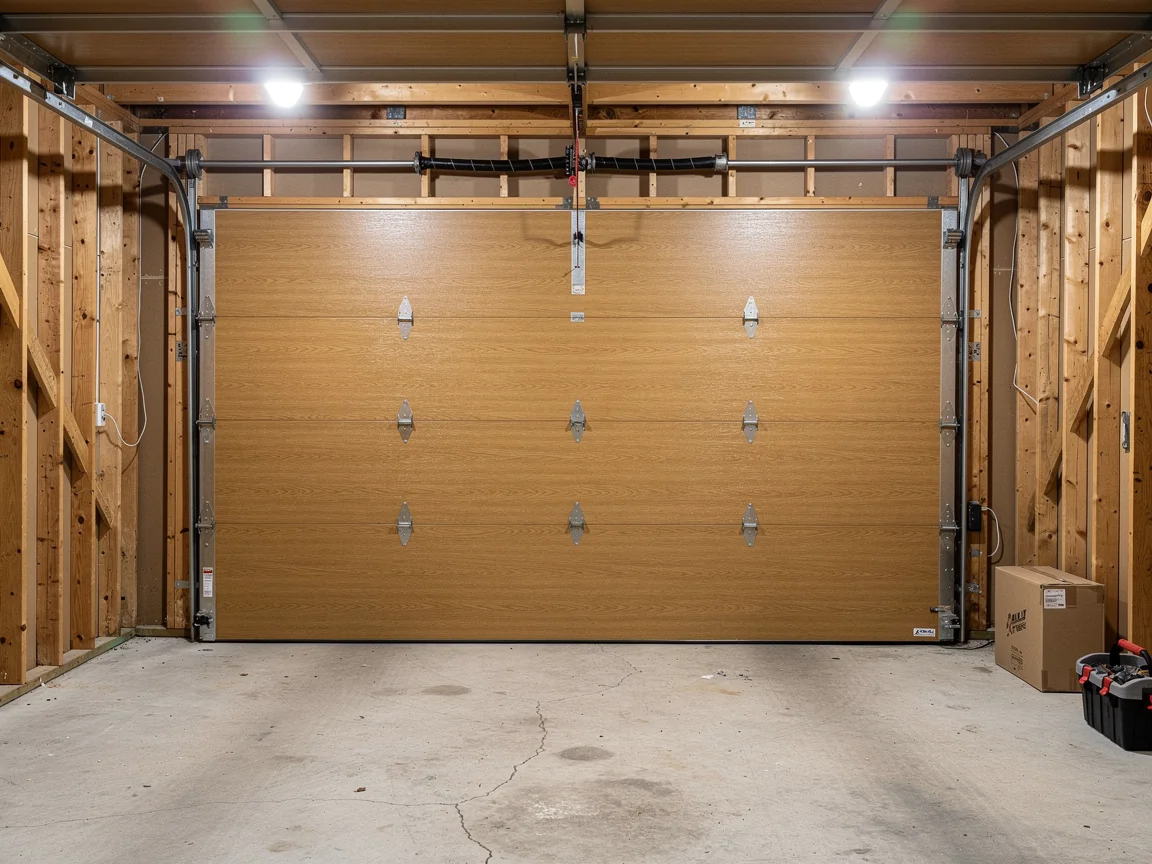
A proper new install starts with measuring the actual rough opening, not trusting the old door's size - framing on houses from this build period isn't always square after two decades of settling.
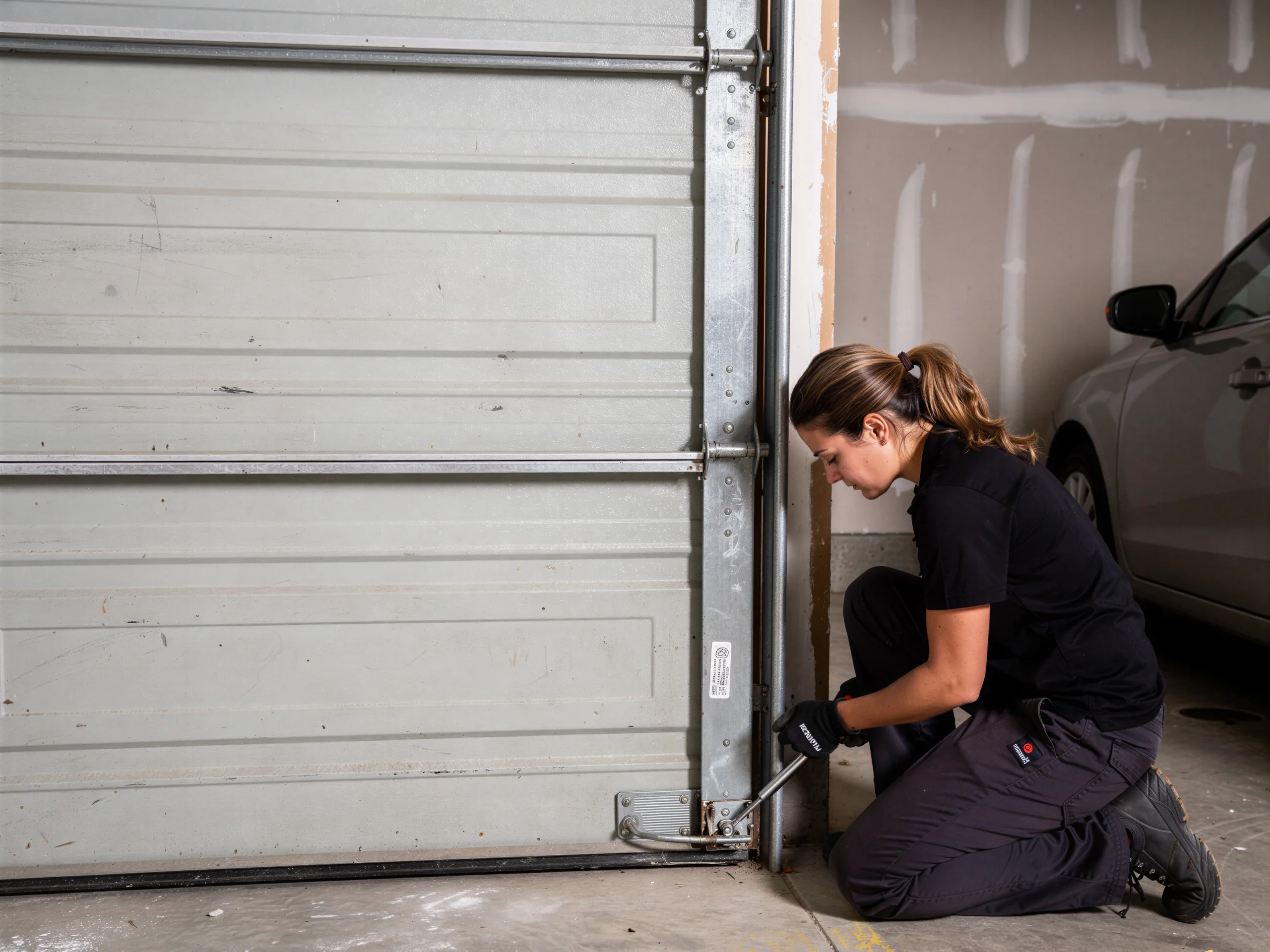
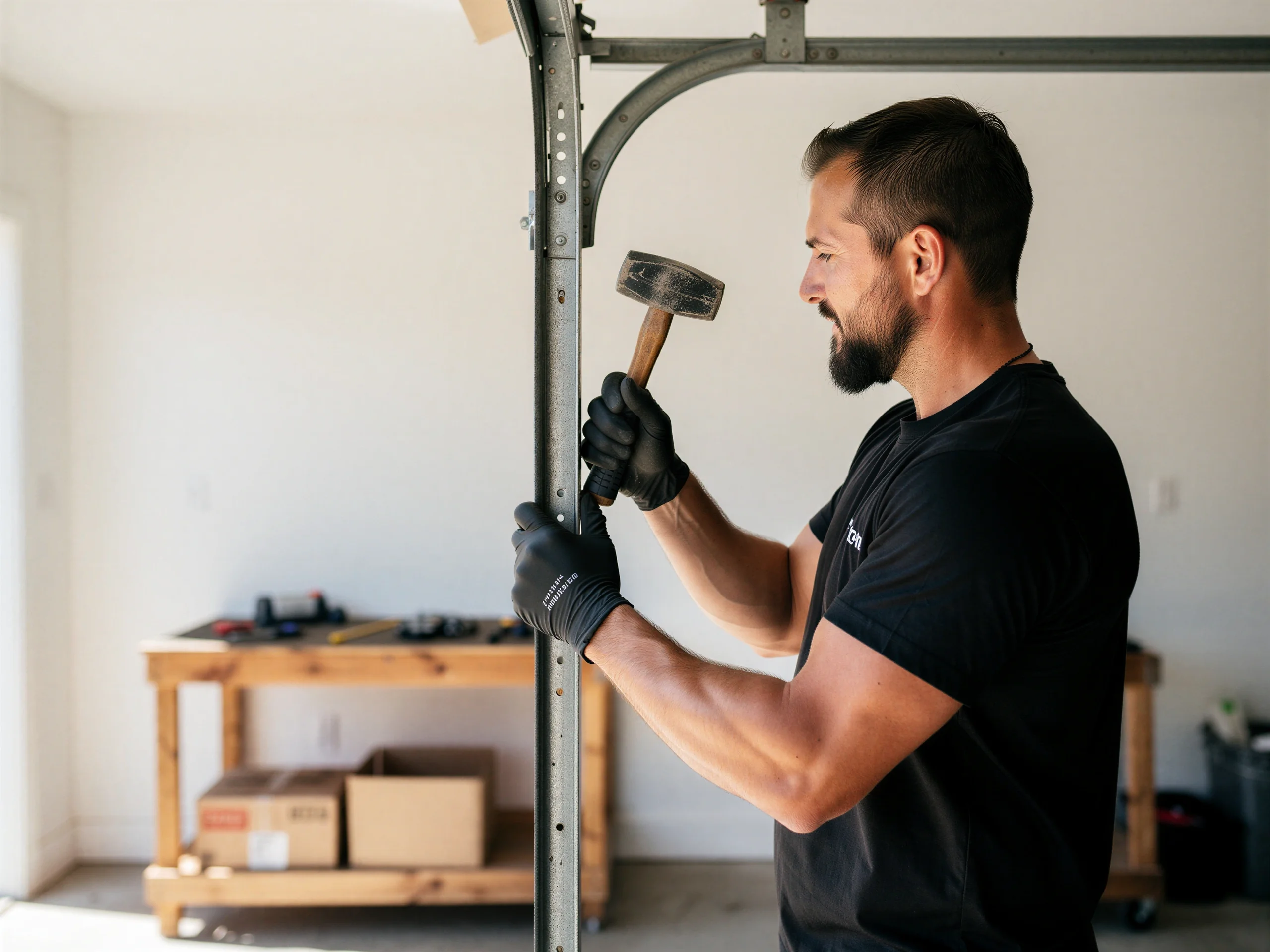
Track set to opening
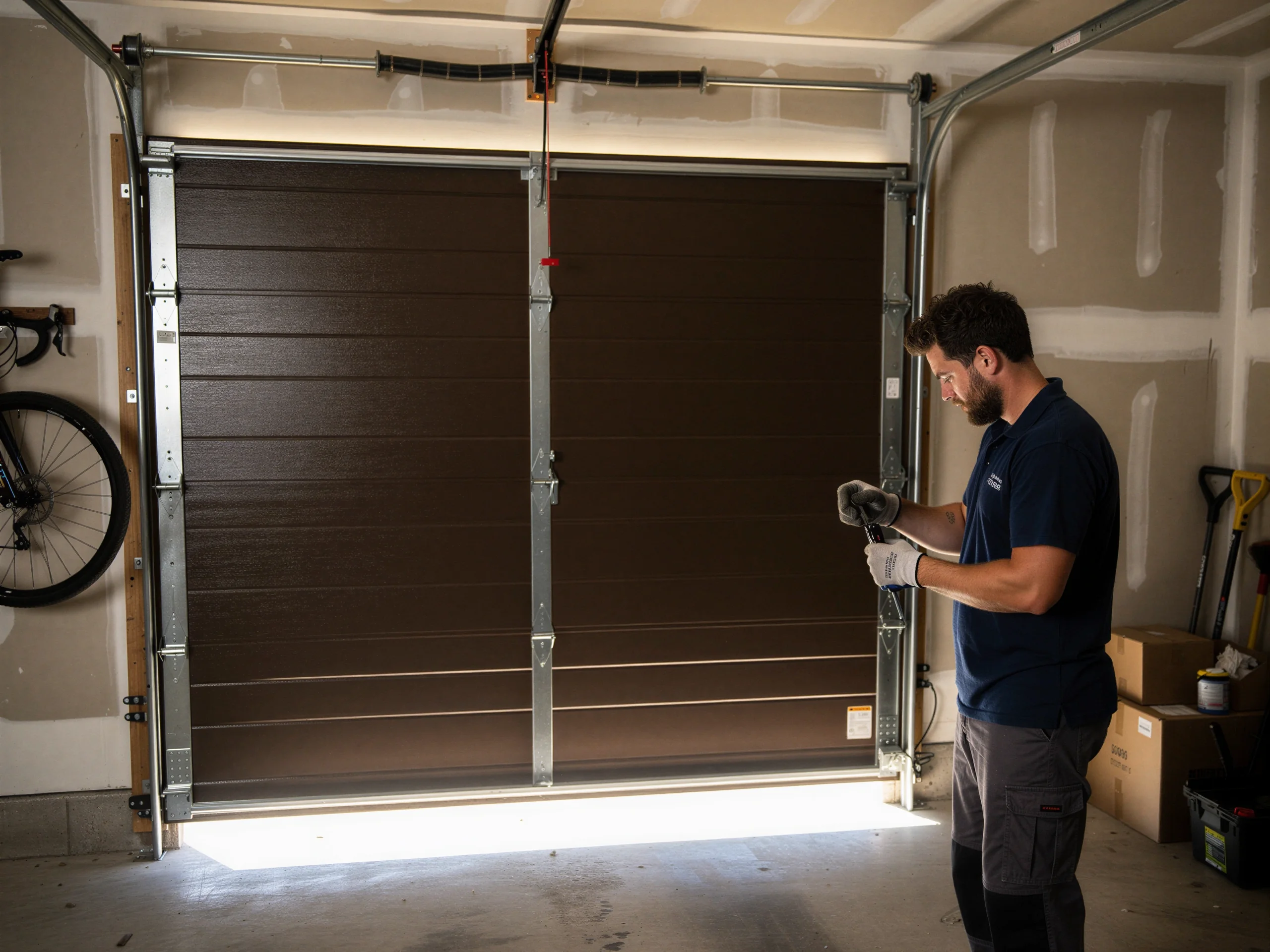
We set new track plumb to the opening, not to the old track's mounting holes, and we size the torsion spring to the weight of the door you're putting in, which changes if you're moving from a non-insulated steel door to an insulated one.
Full hardware replacement set
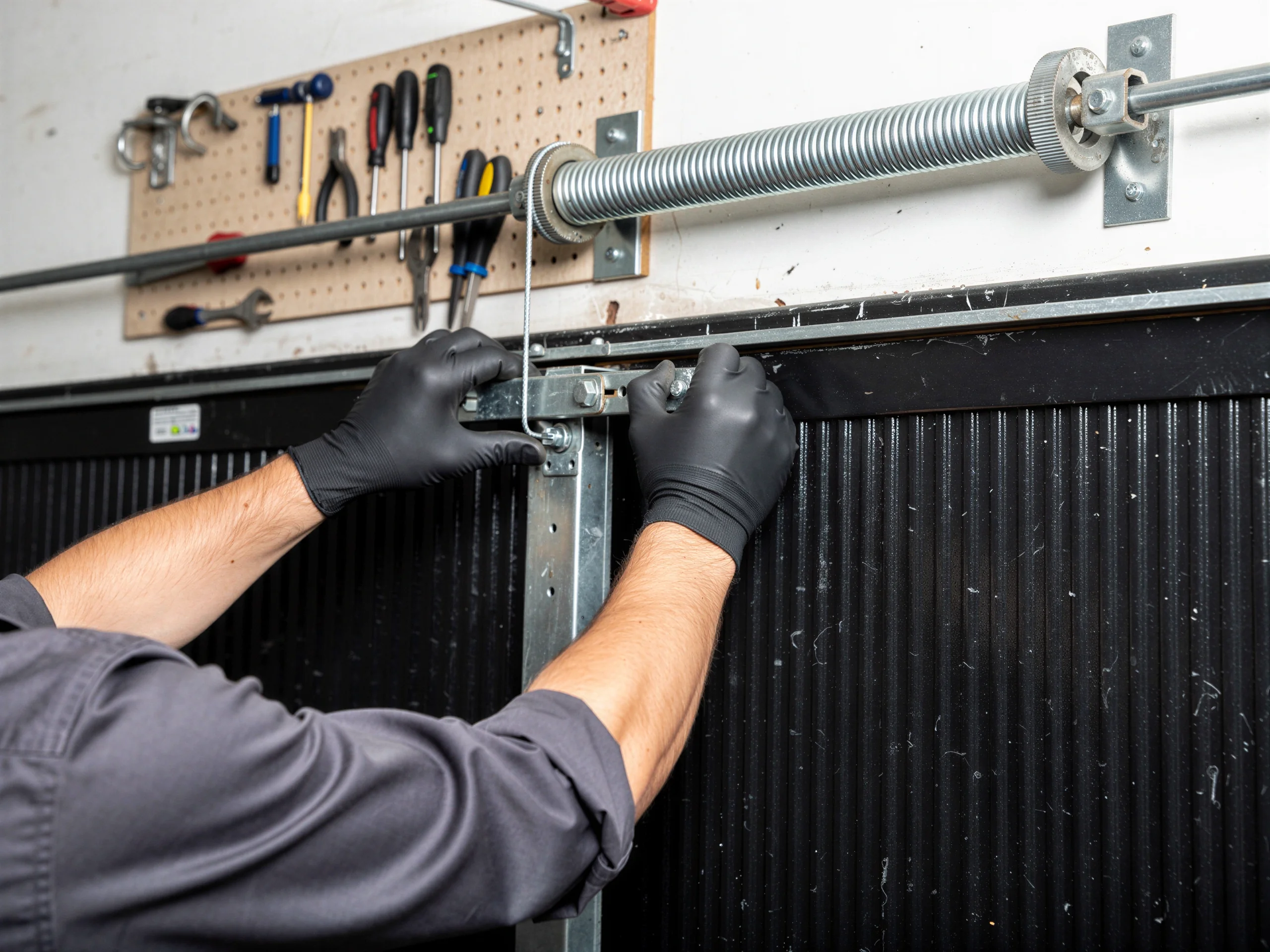
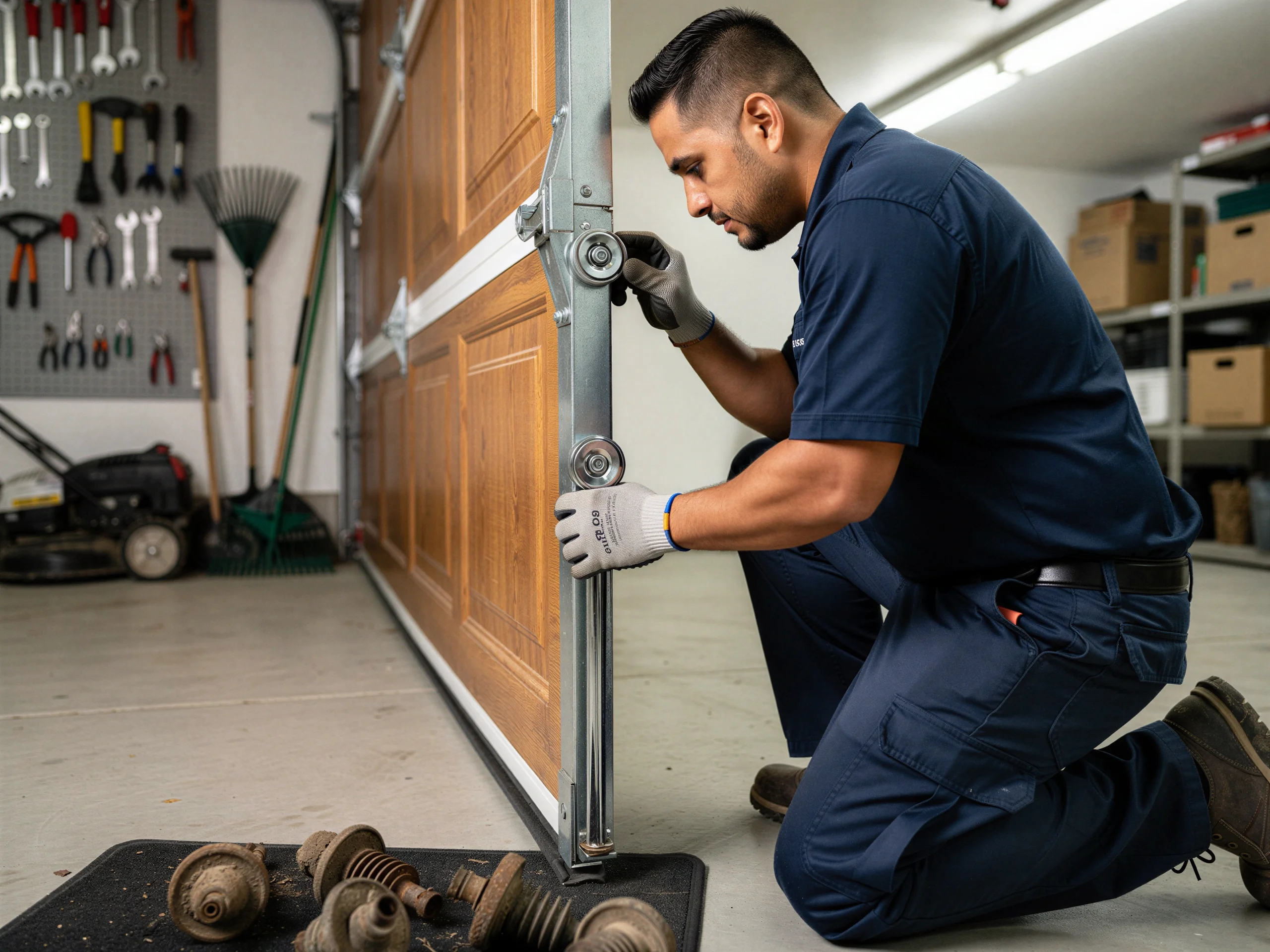
Cables, drums, and end bearing plates get replaced as a set rather than reused, since mixing new spring hardware with worn cable is how a door ends up uneven within a year.
Opener bracket to framing
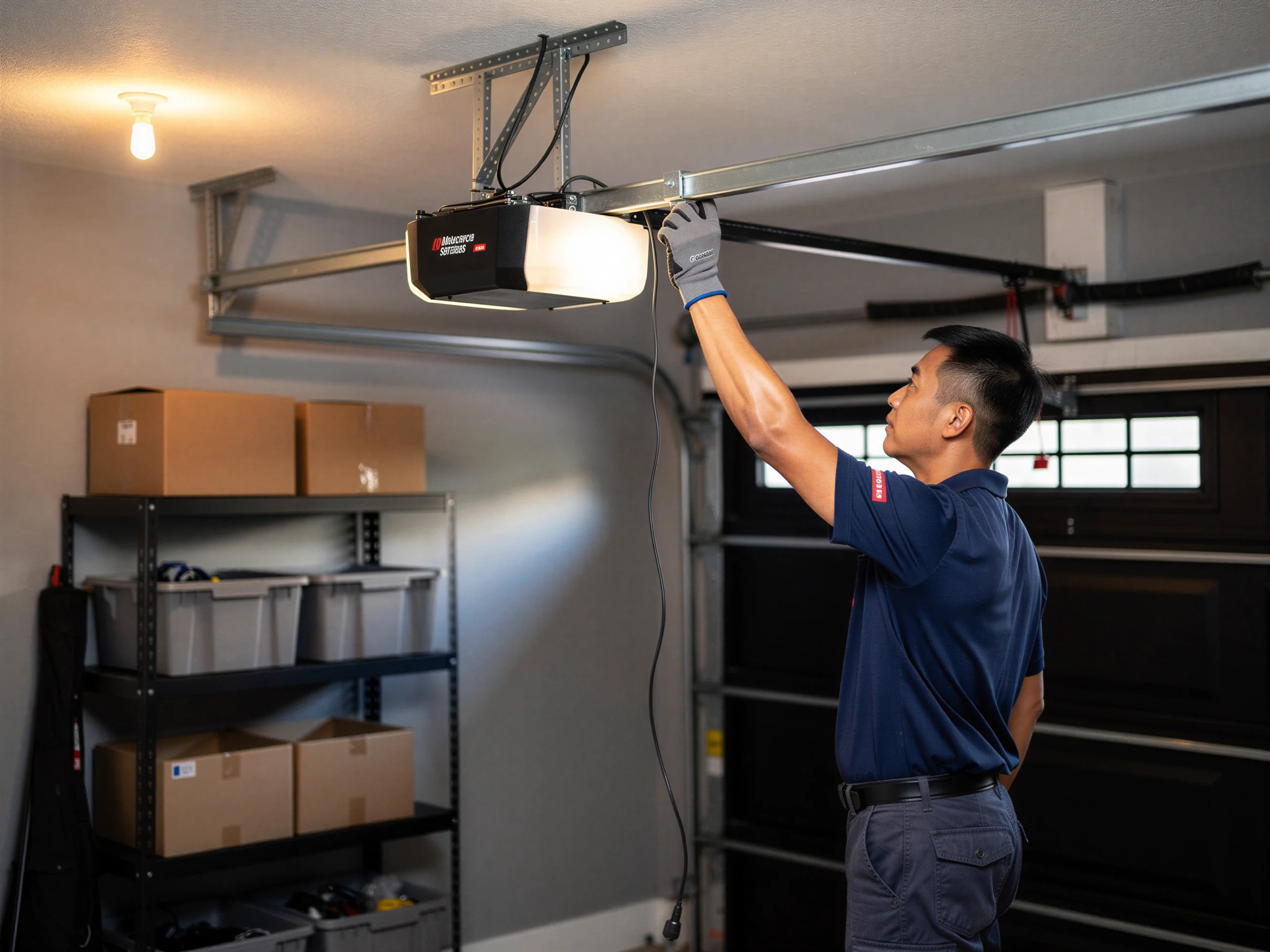
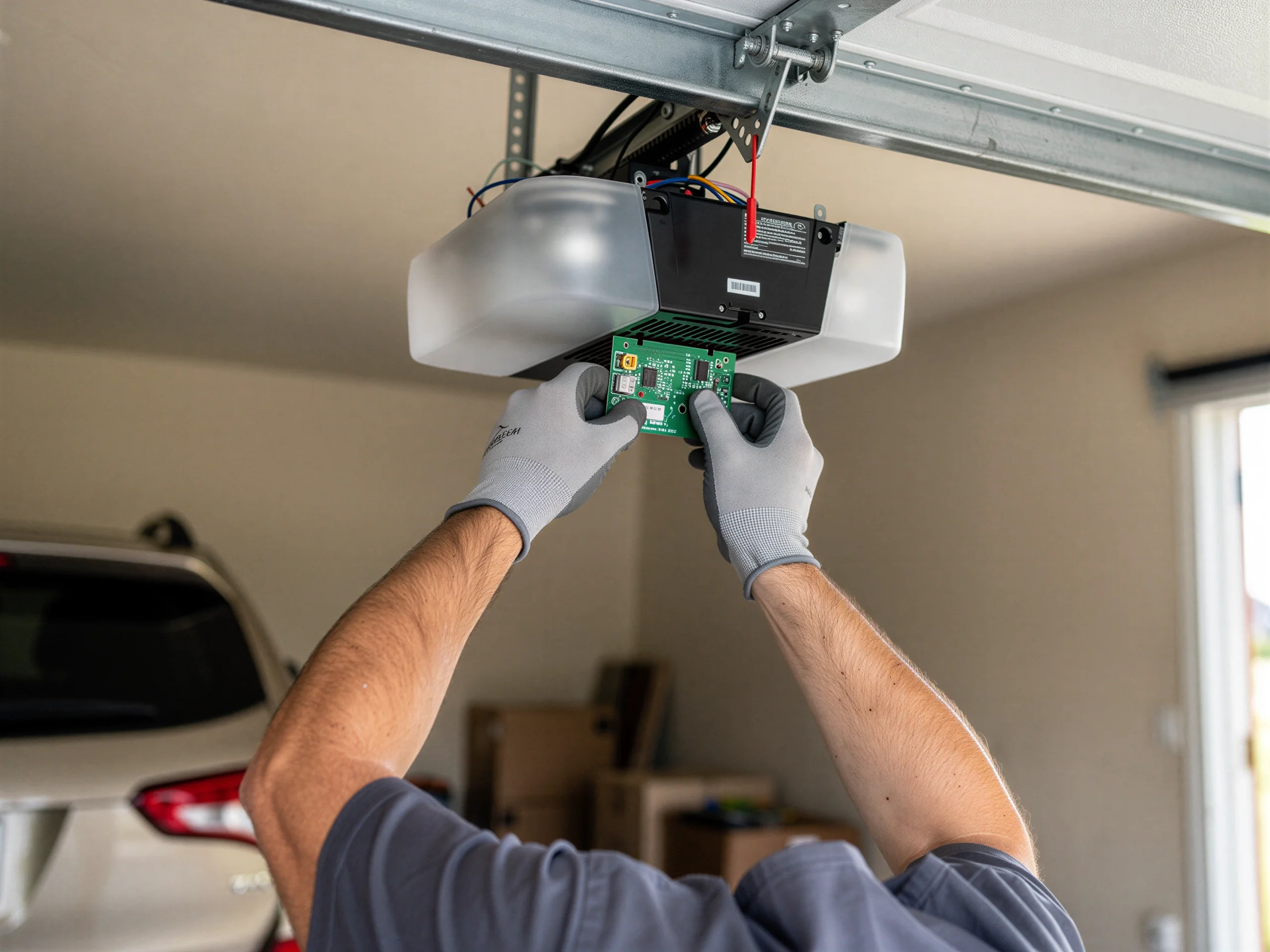
If you're adding a new opener at the same time, we mount the bracket to framing, not just drywall, and set the force and travel limits to the actual door weight rather than a factory default.
Talk to a local pro
Garage door service in Casa Grande?
Same-day service with honest, upfront quotes.