Getting It Booked In
We're based in Casa Grande, about 14 miles out, and Coolidge is a regular stop on the route, not a special trip. There's no branch office here and we won't pretend otherwise - every job starts with a drive, so tell us on the call what the door is doing (won't open, stuck halfway, grinding) so we load the truck right the first time instead of coming back for a part. Most Coolidge houses we see went up around 1999, which narrows down the hardware fast before we even pull into the driveway.
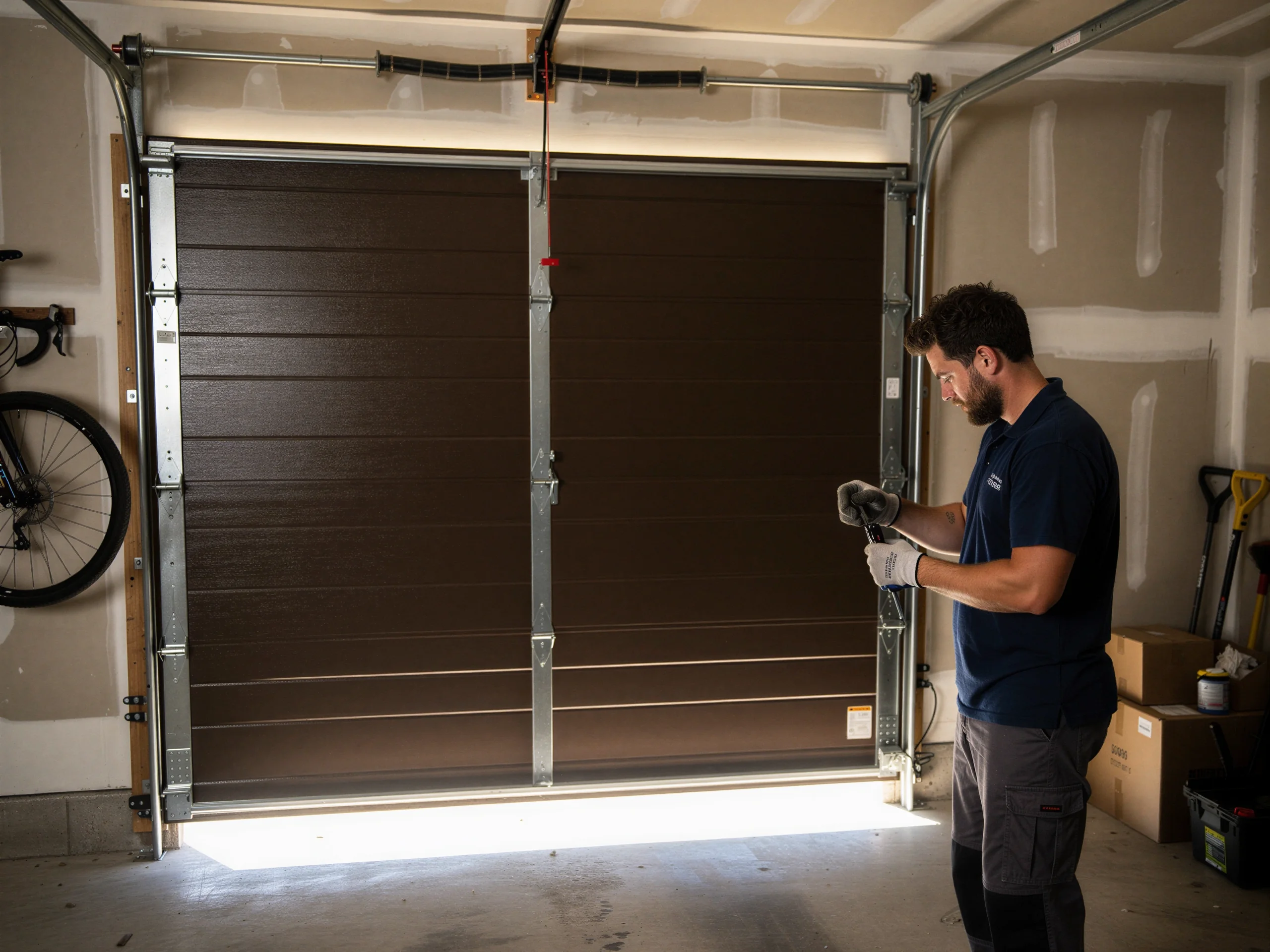
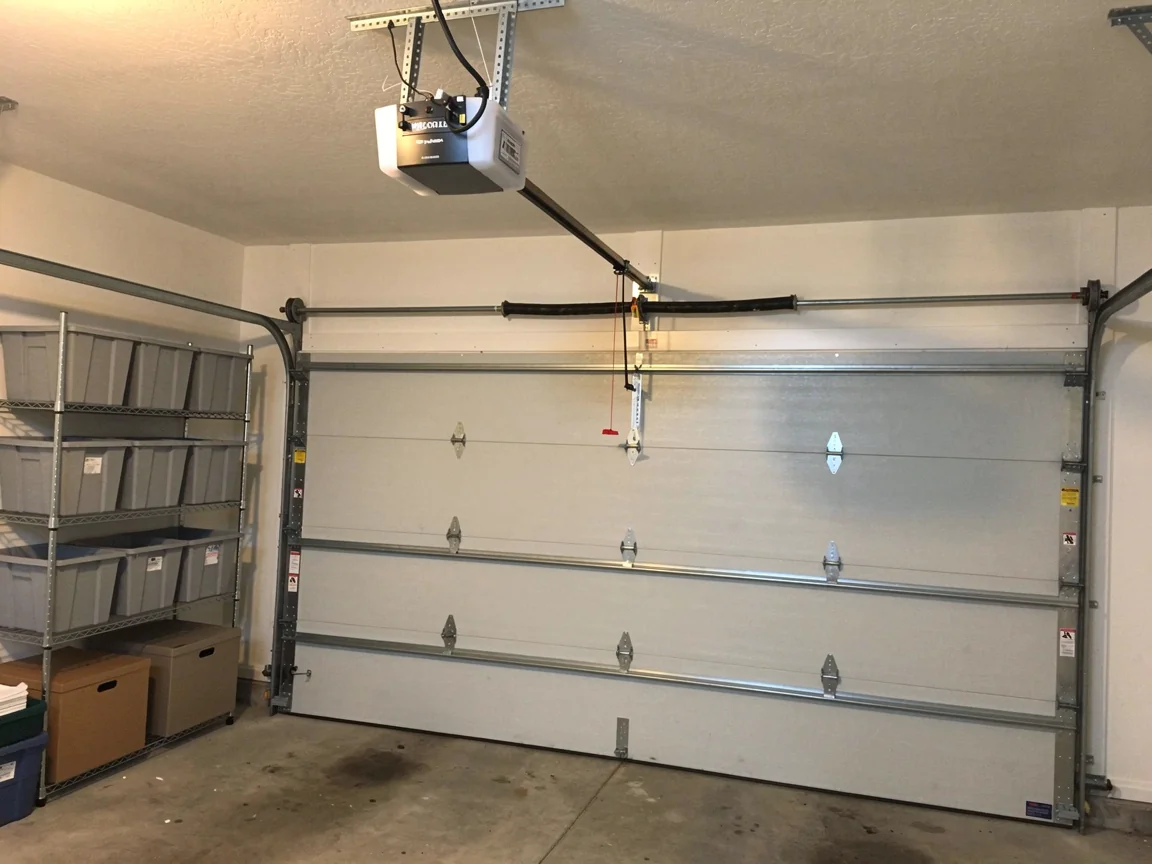
A fair number of these are two-car garages with a single 16-by-7 steel sectional door, standard torsion spring overhead, not the older side-mounted setups you'd find on something from the 1970s. That consistency helps - we usually know what we're walking into before we knock. If your place is an outlier, older or custom, say so up front and we'll plan for it.
Why This Fails Locally
Houses in this area were mostly built between 1960 and 2001, with the median landing around 1998 across the wider service territory and closer to 1999 here in Coolidge specifically. That means torsion springs rated for a certain cycle count and installed with the lubricants and nylon rollers standard to that era - now pushing twenty-five years of summers.
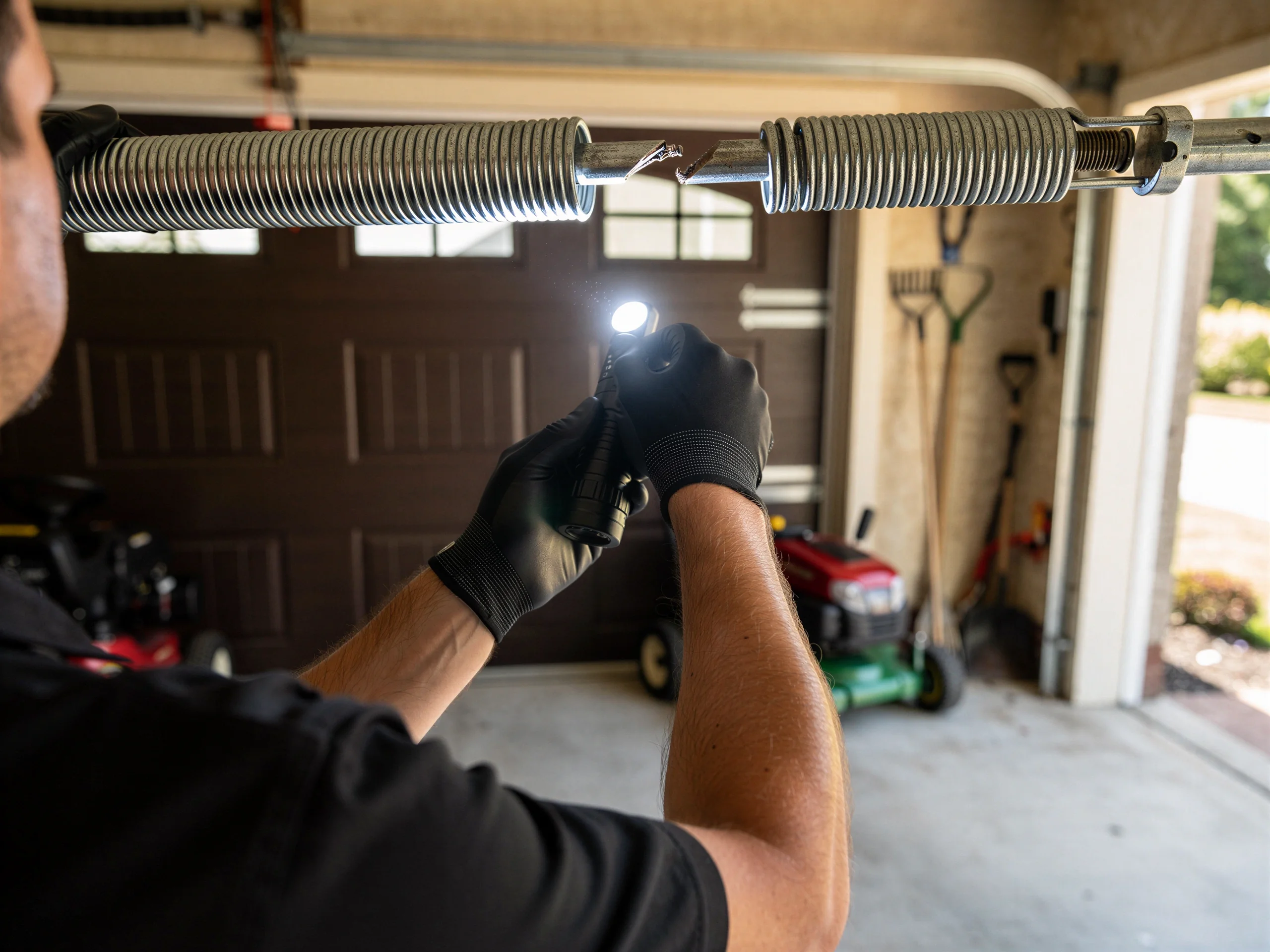
The climate here runs severe heat, and that's the part people underestimate. It's not that heat snaps a spring outright; it's that high garage temperatures cook the factory grease out of the coils faster than a shaded, cooler climate would, and the metal fatigues on a shorter clock than the spring's rated cycle count assumes. Nylon idler bearings and plastic pulley sheaves get brittle and crack a few years before you'd expect in a mild climate. On a late-90s door, that's hardware that was never top-tier to begin with, now worn down on an accelerated schedule by the heat it's sat in for two and a half decades.
What the Fix Involves
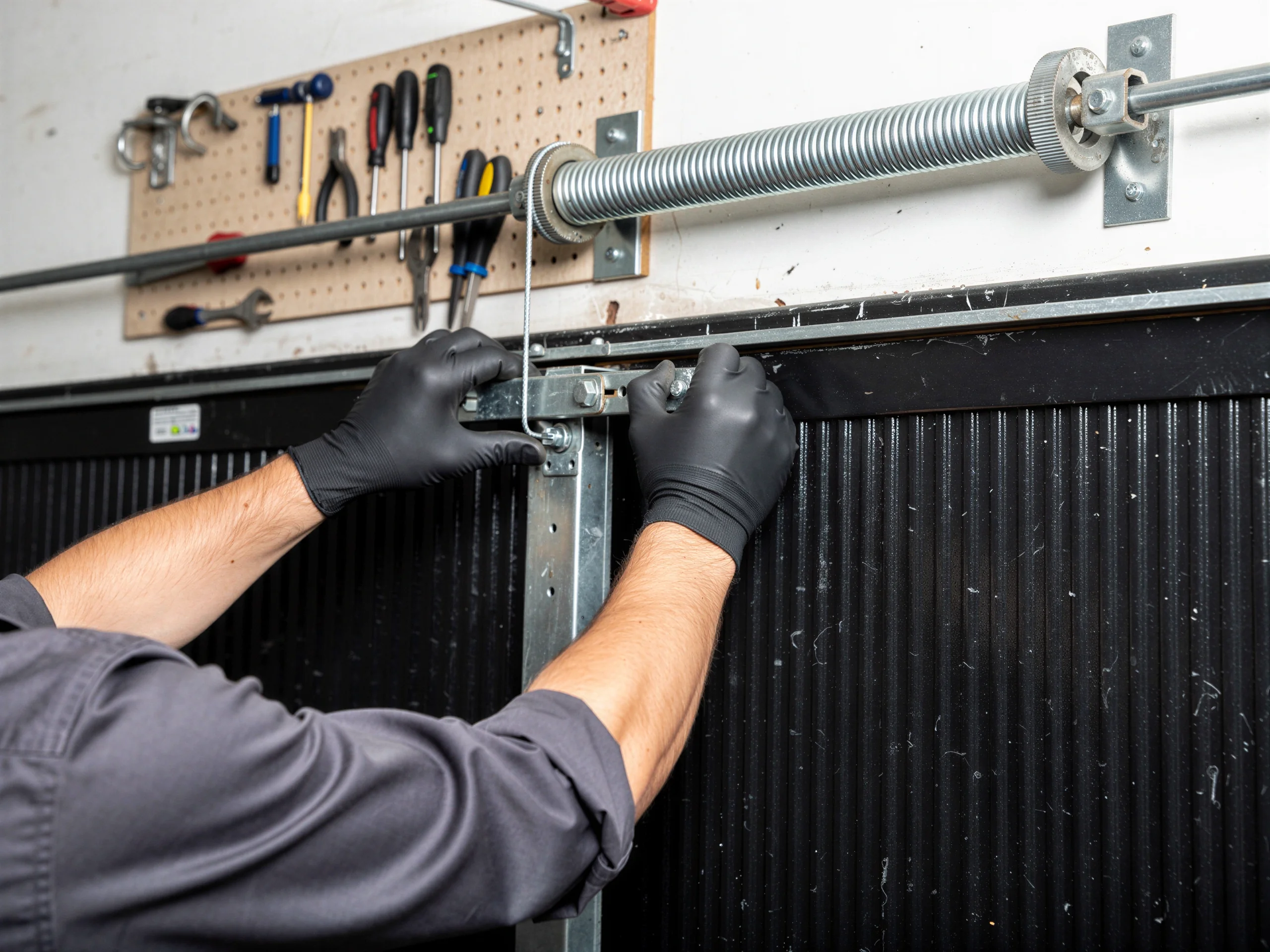
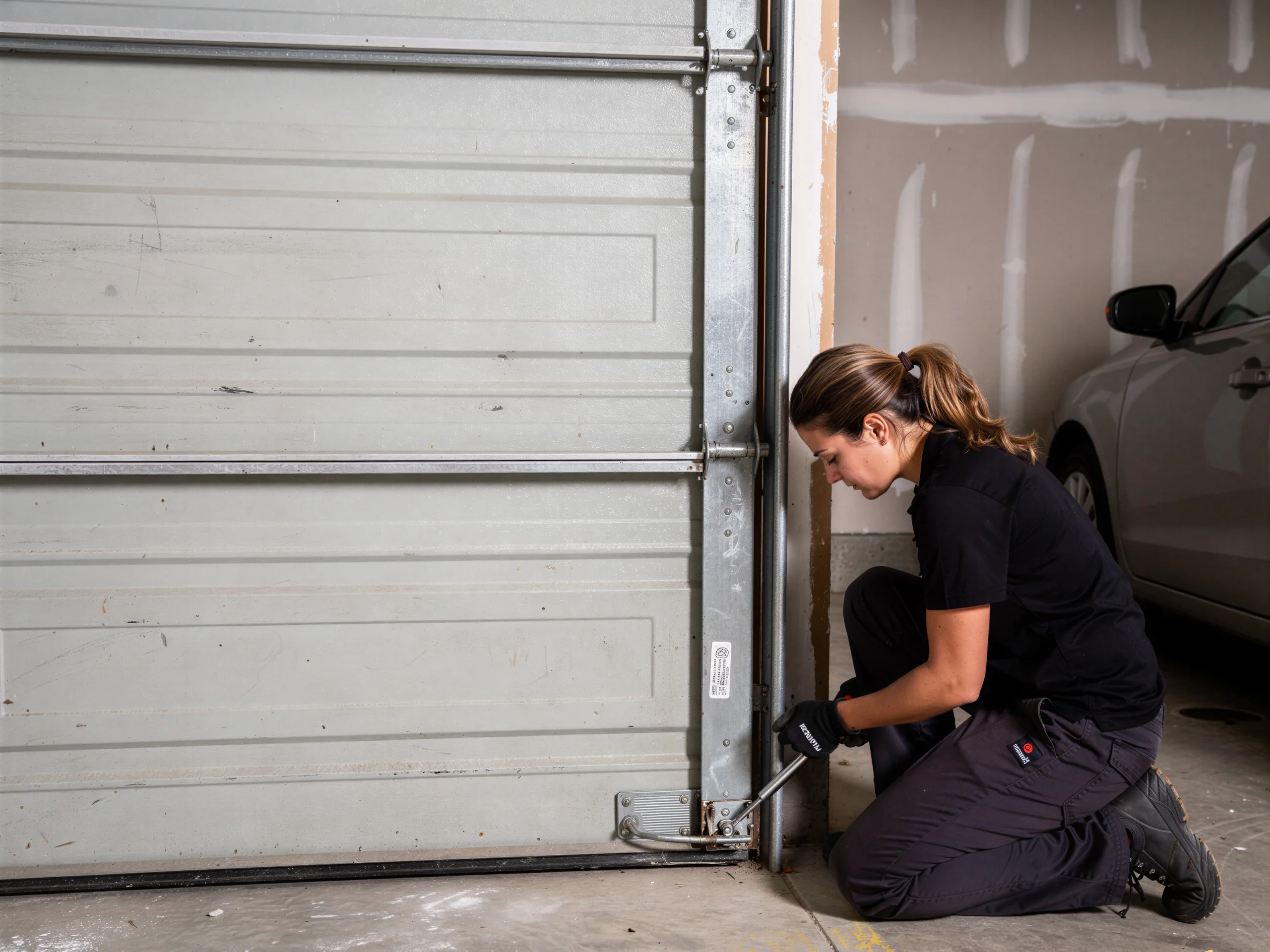
For a broken torsion spring on a standard 16-by-7 steel door - the common call out here - we size the replacement spring to the actual door weight and the drum setup already on your shaft, not a generic off-the-shelf match.
Verify spring wind count
Factory-era springs on houses from this period weren't always sized generously, so we check the wind count and wire gauge rather than assuming the old spring was right to begin with.
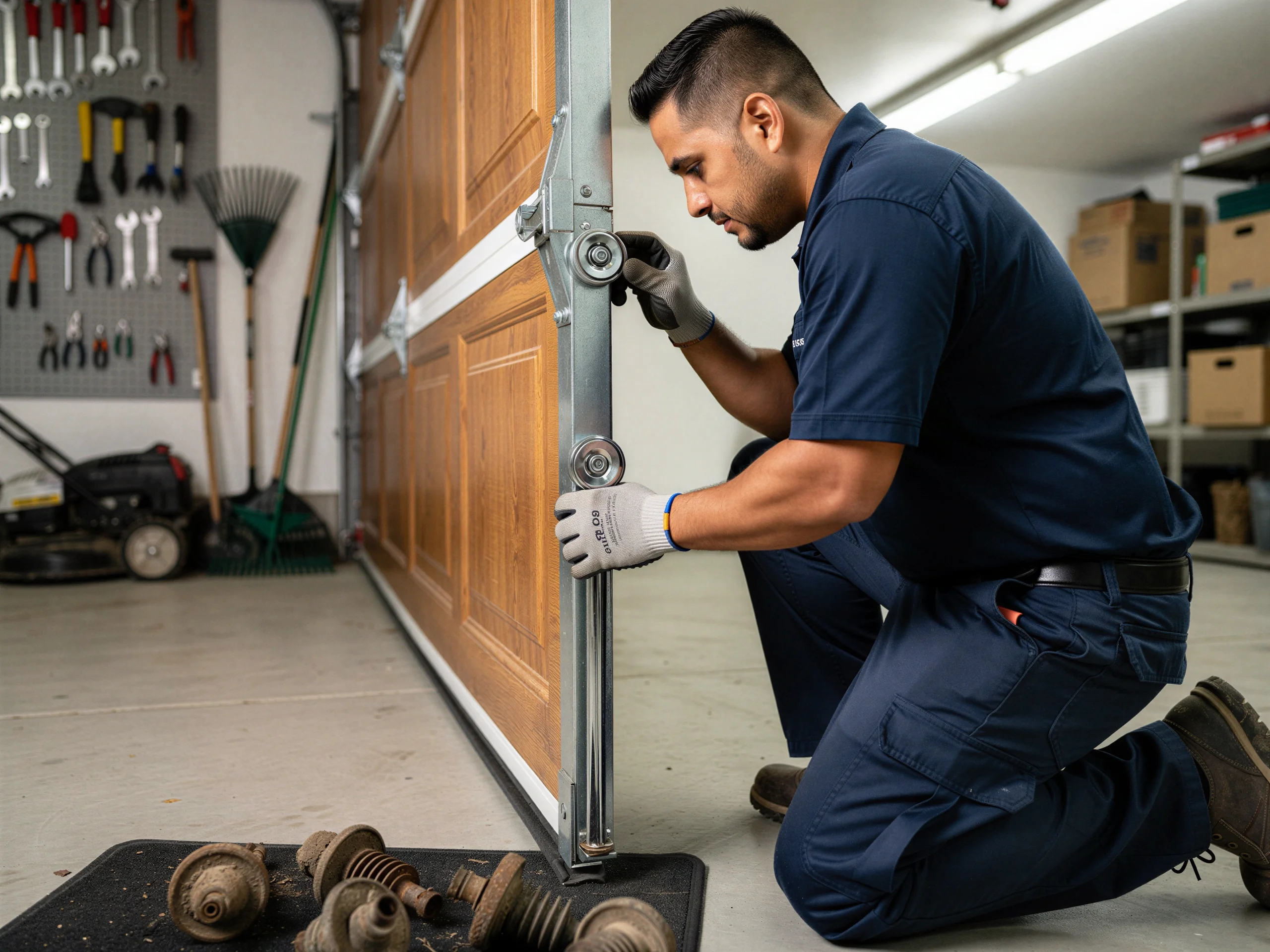
Check rollers while open
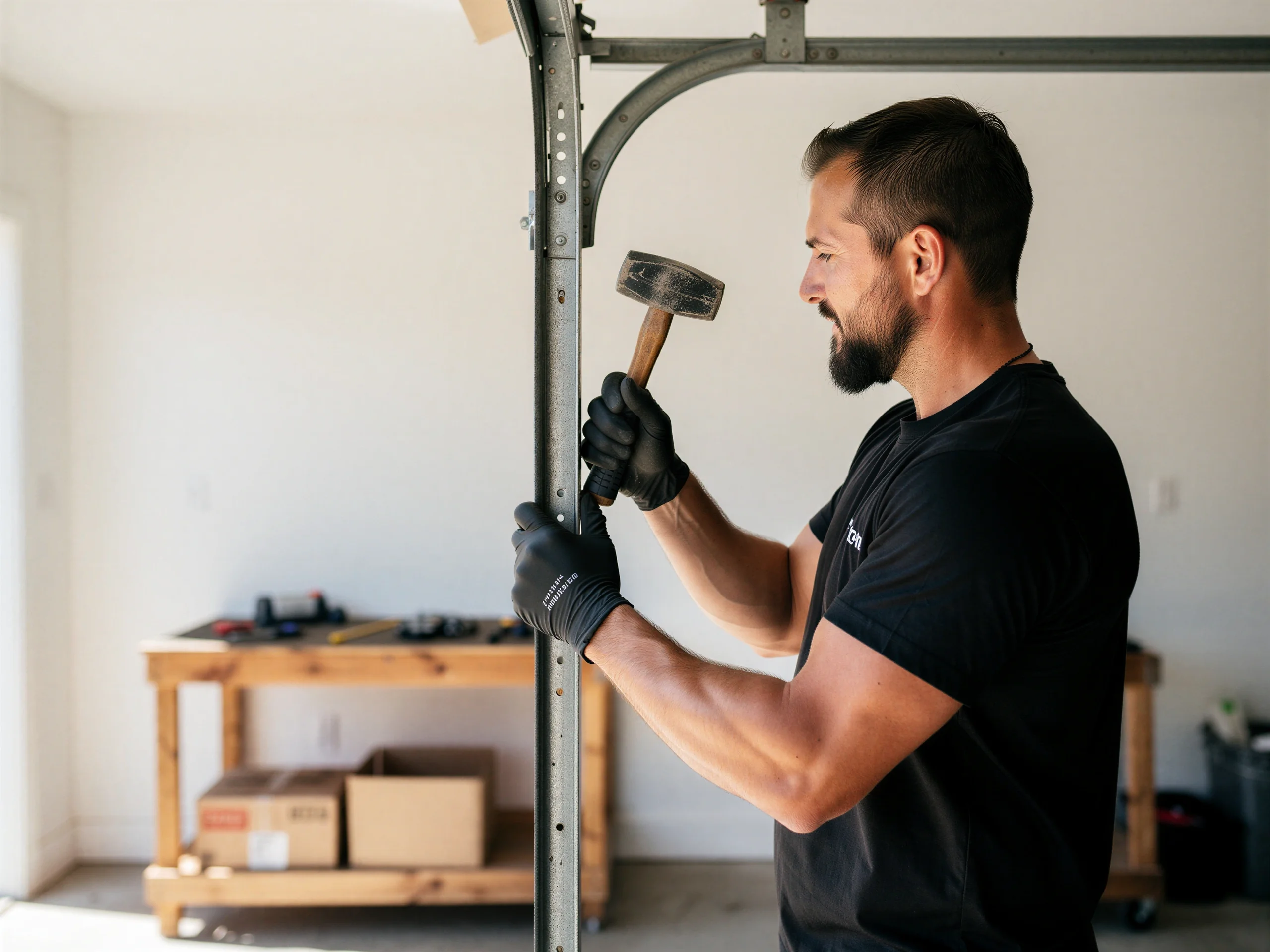
We also check the rollers and bearing plates while the door's open and unloaded, since heat-brittled nylon tends to go not long after the spring that's been masking the extra drag.
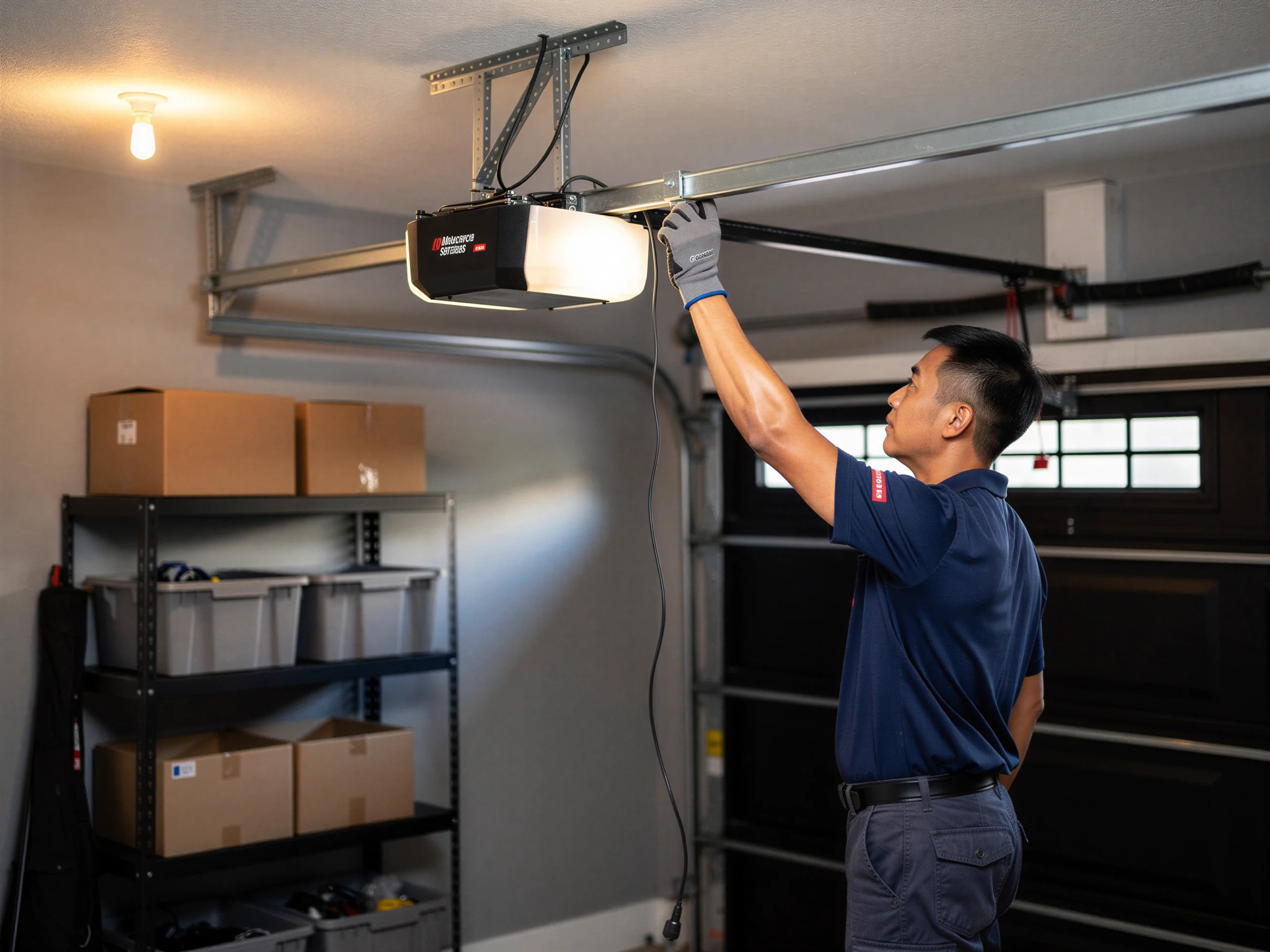
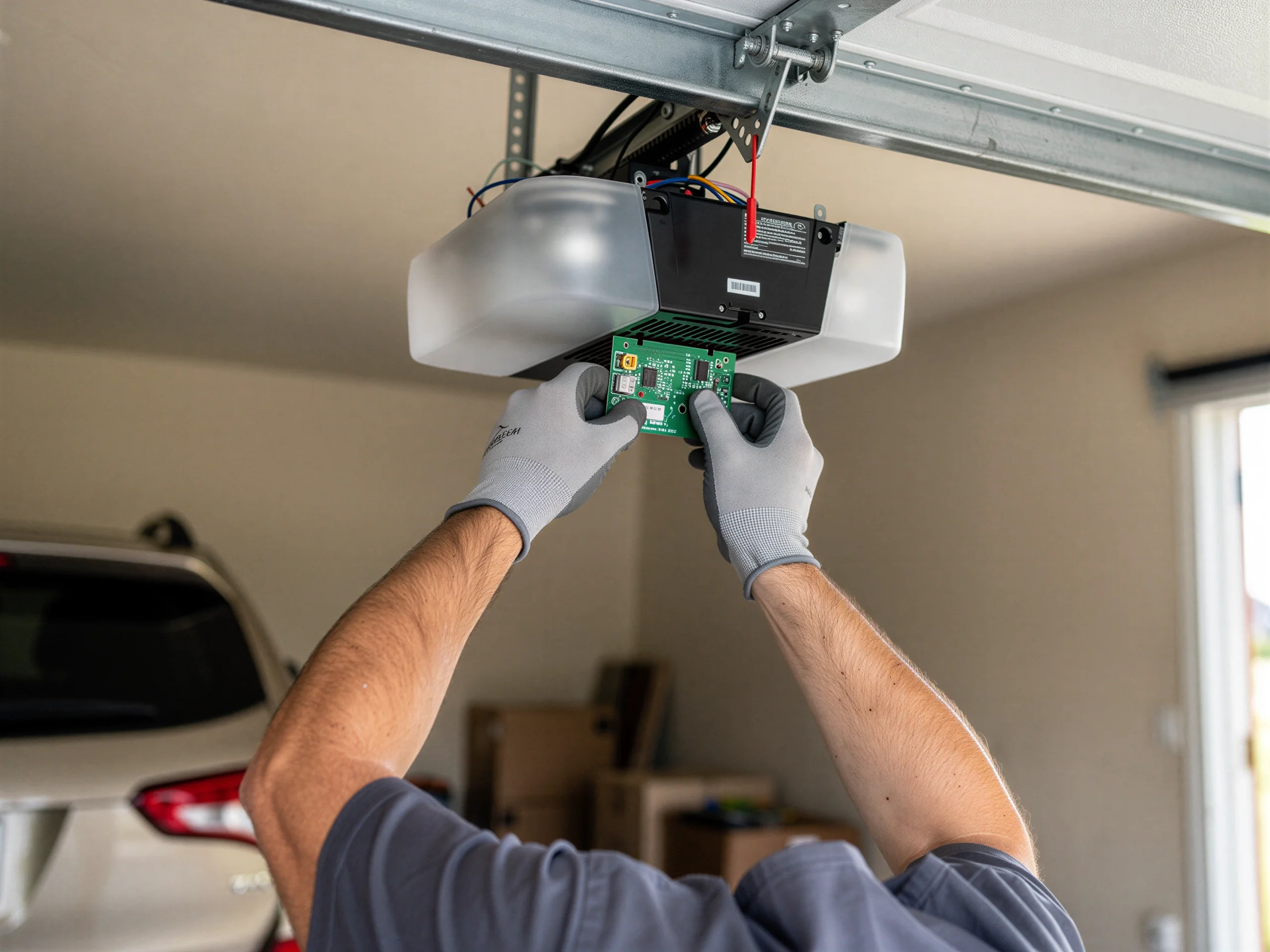
Test original opener gear
If the opener's original to the house, we test the drive gear and capacitor too - both wear out faster running against a door that's been fighting worn hardware for months. We don't replace parts that are still doing their job; if the track's straight and the cables are sound, they stay.
What Can Go Wrong
The spring is rarely the whole story on a house this age. If the bottom bracket or cables show rust pitting, or if a panel's warped from sitting in a hot garage for twenty-plus years, patching just the spring buys you a few months before the next call. We'll tell you straight if a repair isn't worth it - sometimes the honest answer on an original door from 1999 is that replacement costs less over two years than chasing failing parts one at a time.
We also can't always get an exact-match panel for a door this old off the shelf; depending on the manufacturer, a replacement panel can be a special order with a real wait, and we'll say so before you commit rather than promise a same-week fix we can't back up.
What Is on the Truck
For the torsion springs common on doors from this era we carry a working range of wire gauges and wind counts, since houses in this part of the service area rarely need anything exotic - it's the same handful of door sizes and spring setups repeated across five areas of similar-aged construction. We stock nylon rollers and sealed bearings rated for high-heat garages rather than the standard-grade parts that came on the door originally, since standard-grade is what's failing early out here in the first place.
Cables, drums, and bottom brackets in common sizes ride along too, along with opener drive gears for the popular chain and belt models from that build period. What we don't carry on a standard run is a specialty panel match for a less common door brand - that's a special order, and we'd rather tell you that up front than stall a job halfway through.
Talk to a local pro
Garage door service in Casa Grande?
Same-day service with honest, upfront quotes.